Swollen Eye: Causes and Treatment
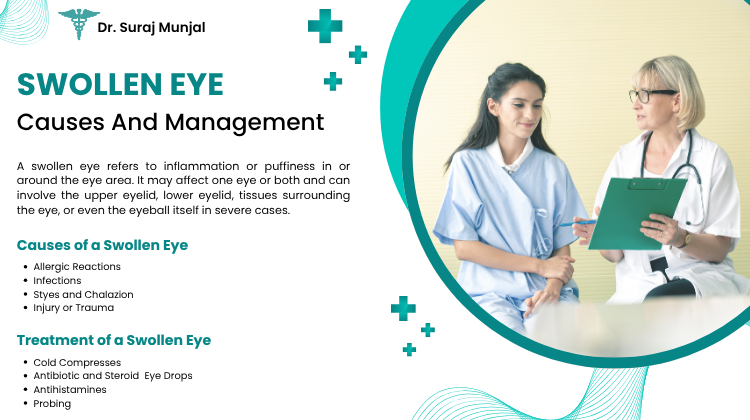
Table of Contents
A swollen eye is a common yet often alarming condition that can affect anyone, regardless of age or health. It may appear suddenly or develop gradually, causing discomfort, visual disturbance, or even pain. Swelling can affect the eyelids, the tissues around the eye, or—less commonly—the eyeball itself. While many cases are minor and resolve on their own, some may signal underlying infections or systemic issues that require prompt medical attention.
Understanding the possible causes, symptoms to watch for, and treatment options can help you take the proper steps toward relief and recovery. This article explores everything you need to know about eye swelling—from common triggers like allergies and styes to more serious conditions like orbital cellulitis or thyroid-related eye disease.
What Is a Swollen Eye?
A swollen eye refers to inflammation or puffiness in or around the eye area. It may affect one eye or both and can involve the upper eyelid, lower eyelid, tissues surrounding the eye, or even the eyeball itself in severe cases. Swelling is often caused by fluid accumulation, infection, injury, or an allergic response.
It’s important to distinguish between:
- Swollen Eyelid: Most common type, often due to external triggers like styes, allergies, or infections. The skin appears puffy, tender, or red.
- Swelling Behind or Around the Eye: Can feel deeper or more painful and may indicate a more serious problem, such as orbital cellulitis or sinus-related complications.
- Eyeball Swelling (Chemosis): When the clear surface covering the white part of the eye becomes puffy and jelly-like, usually due to severe irritation or allergy.
While mild swelling may be temporary and harmless, persistent or painful swelling could point to a more serious eye or systemic condition. Understanding what’s normal and what’s not is the first step in managing this symptom effectively.
What are the Common Causes of a Swollen Eye?
Swelling in or around the eye can result from a wide range of causes, from mild irritants to serious infections. Identifying the root cause is crucial to selecting the most effective treatment.
- Allergic Reactions: Allergies are a leading cause of eye puffiness. When your immune system overreacts to pollen, pet dander, dust, or cosmetics, it can cause the tissues around the eyes to swell. Symptoms often include itching, tearing, and a watery discharge.
- Infections: Infections can trigger inflammation and swelling in both the eyelids and deeper eye tissues. These include:
- Conjunctivitis (Pink Eye): Causes redness, sticky discharge, and swelling of the conjunctiva.
- Blepharitis: A chronic inflammation of the eyelid margins, leading to redness and puffiness.
- Cellulitis: Either preseptal or orbital cellulitis can cause extensive swelling, often with fever and severe pain, and may require hospitalization.
- Styes and Chalazion: A stye is a painful, red bump caused by an infected oil gland at the base of the eyelid. A chalazion, though not infected, results from a blocked gland and can also lead to noticeable swelling.
- Injury or Trauma: Blunt force to the eye or surrounding area may result in bruising and swelling, commonly referred to as a “black eye.” Even mild trauma from excessive rubbing or mishandling of contact lenses can cause puffiness.
- Blocked Tear Duct: If the tear duct becomes blocked, especially in infants or elderly patients, tears can’t drain properly, leading to fluid buildup and eyelid swelling.
- Systemic Conditions: Diseases like Graves’ disease (thyroid eye disease) can cause swelling deep within the eye socket, often along with protrusion of the eyes and double vision.
What are the Symptoms That May Accompany Eye Swelling?
Swelling rarely comes alone—it is often accompanied by other symptoms that provide clues about the underlying issue. These associated signs help differentiate between benign and severe conditions.
- Redness and Warmth: In cases of infection or allergic reaction, the skin around the eye may appear red or feel warmer than usual.
- Itching or Burning Sensation: This is a typical symptom of allergic reactions, especially when the swelling is bilateral and accompanied by watery discharge.
- Pain or Tenderness: Pain is more likely when an infection is present, such as a stye, cellulitis, or corneal issue. A tender eyelid often indicates a localized condition, such as a chalazion.
- Vision Disturbances: Blurry vision, double vision, or visual shadows may suggest swelling that is affecting the eyeball or optic nerve pathways—these should never be ignored.
- Light Sensitivity (Photophobia): Inflamed inner eye structures can cause discomfort in bright light, indicating the need for urgent evaluation.
- Eye Discharge: Thick, yellow, or green discharge is a warning sign of a bacterial infection. In contrast, clear tearing may be caused by allergies or a blocked tear duct.
Recognizing these accompanying symptoms can help determine whether home treatment is appropriate or if medical care is needed.
When to See a Doctor for a Swollen Eye?
While mild swelling from allergies or fatigue can often be managed at home, some symptoms indicate a need for urgent medical attention.
Seek immediate care if you notice:
- Sudden vision loss or severe blurring
- Intense pain or pressure in or around the eye
- Bulging of the eyeball
- Inability to move the eye in specific directions
- Fever, along with eye redness and swelling
- Headache or nausea in combination with eye symptoms
These may signal serious infections (such as orbital cellulitis), optic nerve pressure, or deeper orbital involvement that could lead to permanent vision damage.
See a doctor promptly if:
- Swelling lasts more than 48 hours without improvement
- Symptoms worsen with time despite basic care
- Discharge becomes thicker or turns yellow/green
- You experience double vision or increased light sensitivity
Early evaluation ensures timely treatment and helps avoid potential complications, especially in cases of infections or autoimmune-related conditions.
How is Eye Swelling Diagnosed?
Diagnosing a swollen eye involves more than just a visual examination. Since the causes can range from mild irritants to serious internal eye problems, a thorough clinical evaluation is necessary to guide treatment.
Clinical Examination
An ophthalmologist or eye specialist will begin by conducting a close inspection of the affected area, checking for signs of redness, discharge, tenderness, and swelling patterns. They’ll also examine:
- The eyelid margins for styes or chalazia
- The conjunctiva and cornea for infection or trauma
- The eyeball for signs of protrusion (proptosis) or asymmetry
- Pupil response and eye movements to rule out orbital involvement
Additional Diagnostic Tests
Depending on the suspected cause, your doctor may recommend:
- Slit-lamp exam: Offers a magnified view of the eye’s internal structures
- Eye pressure measurement (tonometry): Helps detect glaucoma-related swelling
- Tear duct probing: Used when blocked tear ducts are suspected
- Cultures or swabs: To identify bacterial or viral infections in cases with discharge
- Blood tests: If systemic or autoimmune diseases are suspected
- CT or MRI scans: For suspected deep orbital infections or thyroid eye disease
Accurate diagnosis ensures that treatment is not just about relieving swelling, but about addressing the condition at its root.
What are the Treatment Options for Swollen Eyes?
The treatment for a swollen eye depends entirely on its cause. While some cases resolve with basic care at home, others require targeted medication or procedures.
Home Remedies for Mild Swelling
If the swelling is mild and due to fatigue, allergies, or minor irritation, home care can often provide relief:
- Cold compresses: Help reduce puffiness and inflammation
- Artificial tears: Soothe dryness and flush out allergens
- Elevation: Sleeping with your head slightly raised can reduce morning swelling
- Avoidance of allergens or irritants: Prevents recurrence in allergic cases
Medical Treatment for Infections or Inflammation
When infection is present, a more aggressive approach is required:
- Antibiotic eye drops or ointments: For bacterial conjunctivitis or styes
- Oral antibiotics: For more severe infections like preseptal or orbital cellulitis
- Steroid drops or pills: Used cautiously to control inflammation (e.g., in uveitis or autoimmune swelling)
- Antihistamines or mast cell stabilizers: For allergy-related eye swelling
Drainage or Minor Procedures
- Styes or chalazia that do not respond to warm compresses may require drainage or steroid injections.
- Blocked tear ducts in infants or those with chronic cases may require probing or surgery.
Treatment for Underlying Conditions
- Thyroid-related eye disease may require corticosteroids, radiation, or surgical decompression in advanced cases.
- Sinus-related orbital swelling might be managed by ENT specialists, especially if infections spread from nearby structures.
Early treatment not only helps reduce swelling but also protects your vision and prevents further complications.
Swollen Eye Treatment Cost in India
On average, treatment for a swollen eye in India may cost between $50 and $800, depending on the severity and complexity of the condition.
Minor cases caused by allergies, mild infections, or fatigue are inexpensive to treat and may only require consultation and prescription eye drops. However, more serious causes, such as cellulitis, orbital abscesses, or blocked tear ducts, may require imaging, medications, or minor procedures—thereby increasing the overall cost.
What’s Included in the Treatment Cost?
Most hospitals and clinics in India offer comprehensive pricing that typically includes:
- Ophthalmology consultation and eye examination
- Diagnostic procedures (if required, such as slit-lamp, tear duct evaluation, or imaging)
- Prescription medication (antibiotic drops, lubricants, anti-inflammatories)
- Minor procedures (e.g., drainage of stye or chalazion, tear duct probing)
- Follow-up care or second consultation
- In rare cases, hospitalization or surgical costs for severe infections or orbital conditions
Swollen Eye Treatment Cost Breakdown in India
For those seeking affordable treatment for swollen eyes in India, the cost depends entirely on the underlying cause and the type of care required.
- If the swelling is due to a minor eye allergy, the treatment is typically inexpensive. A basic eye consultation with anti-allergy eye drops normally costs between $50 and $80, especially in outpatient settings.
- In cases where a stye or chalazion triggers swelling, the doctor may recommend applying warm compresses followed by gentle massage to promote drainage. This type of minor ophthalmic procedure can cost anywhere from $100 to $200, depending on the facility.
- If the swelling is caused by bacterial conjunctivitis or mild eye infections, the total treatment cost, including antibiotic eye drops and follow-up consultation, usually ranges from $100 to $150.
- For more complex infections such as preseptal cellulitis, oral antibiotics may be prescribed for 7–10 days. The total cost of this treatment, including diagnosis and medication, typically ranges from $120 to $180.
- Suppose advanced imaging like a CT scan or MRI of the orbit is needed (often in cases of suspected orbital cellulitis or trauma). In that case, the cost can rise to $150 to $300, depending on the diagnostic center.
- For patients with orbital cellulitis or abscesses who require hospitalization and IV antibiotics, the total treatment cost may range from $400 to $800 in a multispecialty hospital.
- In some cases, blocked tear ducts may lead to persistent swelling. A simple tear duct probing or flushing procedure may be recommended, which typically costs between $150 and $250, including consultation and follow-up.
|
Type of Treatment |
Estimated Cost (USD) |
|
Basic consultation + eye drops |
$50 – $80 |
|
Allergy-related eye swelling treatment |
$60 – $100 |
|
Stye or chalazion drainage |
$100 – $200 |
|
Antibiotics + follow-up for mild infections |
$100 – $150 |
|
Imaging (CT Scan/MRI for orbital swelling) |
$150 – $300 |
|
Oral antibiotics for preseptal cellulitis |
$120 – $180 |
|
Hospital treatment for orbital cellulitis |
$400 – $800 |
|
Tear duct probing or minor eye procedures |
$150 – $250 |
Note: These prices are indicative of private multispecialty eye hospitals in India. The final cost depends on the city, hospital facilities, the doctor’s experience, and the diagnostic needs.
How Can You Prevent Swollen Eyes?
While not all causes of eye swelling are avoidable, many common triggers (such as allergens, infections, and irritants) can be managed or prevented with simple habits. Whether you’re prone to seasonal allergies or frequently experience eyelid puffiness, the following preventive steps can help protect your eye health and reduce the risk of swelling.
- Practice Good Eye Hygiene: Always wash your hands before touching your eyes or applying makeup. Dirty hands can transfer bacteria or irritants that lead to swelling and infection. Remove eye makeup thoroughly each night to avoid pore blockage or irritation.
- Avoid Rubbing Your Eyes: Rubbing can worsen irritation, especially during allergy flare-ups. It can also damage tiny blood vessels or introduce bacteria, increasing your risk of subconjunctival hemorrhage or conjunctivitis.
- Use Clean Contact Lenses: If you wear contact lenses, always follow the recommended hygiene practices to maintain optimal eye health. Disinfect lenses correctly, avoid overuse, and never wear them while sleeping. Dirty or overused lenses can cause irritation, corneal swelling, or infection.
- Protect Your Eyes from Allergens: During high pollen seasons or in dusty environments, wear protective glasses outdoors. Consider using antihistamine eye drops if you have a known eye allergy, and keep your indoor air clean by using an air purifier or filter.
- Apply Cold Compresses for Fatigue-Related Puffiness: If you wake up with mildly swollen eyes due to a lack of sleep or excessive screen time, applying a clean, cold compress for 10–15 minutes can help reduce puffiness and relieve discomfort.
- Don’t Share Eye Products or Towels: Avoid sharing mascara, eyeliner, or eye creams, as this can spread bacteria and cause infections. The same applies to towels and pillowcases—keep them clean and personal.
- Manage Chronic Conditions Effectively: If you have systemic illnesses, such as thyroid disorders, sinusitis, or autoimmune diseases, follow your treatment plan closely. These conditions can indirectly cause or worsen eye swelling if left uncontrolled.
- Stay Hydrated and Maintain a Balanced Diet: Proper hydration helps reduce fluid retention that can cause under-eye puffiness. A diet rich in antioxidants, omega-3 fatty acids, and vitamins A and C supports the health of the eyes.
By incorporating these preventive measures into your routine, you can significantly reduce your risk of developing eye swelling and maintain long-term ocular health.
Conclusion
A swollen eye can be as simple as a temporary allergic reaction or as complex as an infection that requires urgent care. While many cases are mild and resolve on their own, it's essential not to ignore persistent swelling, especially if it’s accompanied by pain, vision changes, or discharge.
By understanding the underlying causes, recognizing warning signs, and knowing when to seek professional help, you can protect your eyes and prevent long-term complications. Thanks to advancements in diagnostics and treatment, most conditions that lead to eye swelling are highly manageable, primarily when addressed early.
For those considering treatment in India, the country offers high-quality ophthalmic care at affordable costs, supported by experienced specialists and world-class facilities. Whether you're a local resident or an international patient, timely diagnosis and tailored treatment plans can ensure the best outcomes for your eye health.
Frequently Asked Questions
A swollen eye can be caused by allergies, infections (such as conjunctivitis or cellulitis), injuries, blocked tear ducts, or inflammatory conditions like blepharitis or Graves' disease.
Not always. Mild swelling from fatigue or allergies is usually harmless. However, if the swelling is painful, affects vision, or is accompanied by a fever, it may signal a more serious issue and require medical attention.
Diagnosis involves a physical eye exam, a slit-lamp test, and sometimes imaging (CT/MRI) or blood tests, depending on whether an infection, blockage, or systemic issue is suspected.
Cold compresses, antihistamine eye drops, and anti-inflammatory medications are commonly used for quick relief, depending on the cause.
Yes, allergies are one of the most common causes of eye swelling. They can cause puffiness, redness, and itchiness, usually in both eyes, and are often seasonal or triggered by environmental factors.
For mild cases caused by dryness or allergies, lubricating or antihistamine eye drops may be sufficient. Infections or more severe conditions often require antibiotics, oral medications, or minor procedures.
Most minor cases improve within 1 to 3 days with proper care and treatment. However, infections or internal swelling may take up to 1–2 weeks or longer, depending on treatment response.
Yes, if the swelling is severe or involves deeper structures of the eye or orbit, it can cause blurred or double vision and should be assessed by a doctor immediately.
Swollen eye treatment in India generally ranges from $50 to $800, depending on the cause, whether imaging is required, and if minor surgery or hospitalization is involved.
Most insurance plans cover diagnostic visits, medication, and procedures related to infections or injuries. Cosmetic swelling or fatigue-related puffiness may not be covered by insurance.
Yes, mild swelling from fatigue or allergies can be managed with cold compresses, OTC drops, and rest. However, if symptoms persist or worsen, medical treatment is advised.
An ophthalmologist or eye specialist is the best professional to diagnose and treat any form of eye swelling, especially if it's recurring, painful, or affects your vision.