YAG Laser Capsulotomy Cost in India
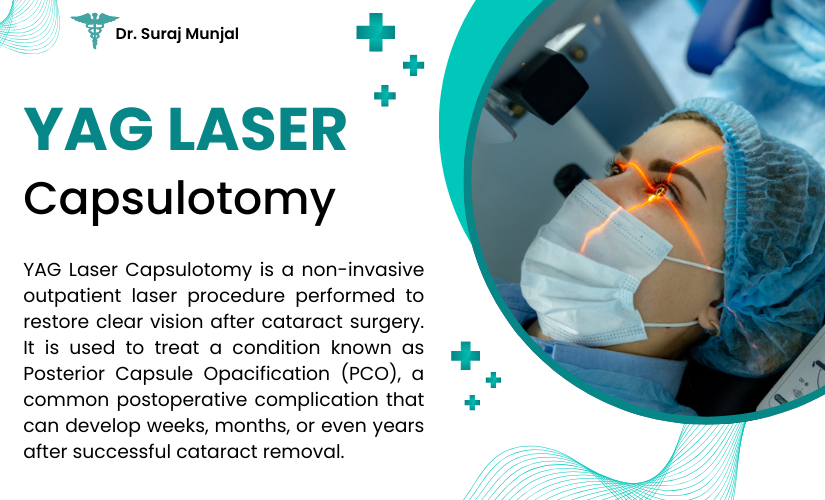
If your vision has become cloudy again after cataract surgery, you might be dealing with a common condition called posterior capsule opacification. The good news is that this can be quickly and safely corrected through a simple laser procedure known as YAG laser capsulotomy.
The cost of YAG laser capsulotomy in India typically ranges from ₹8,000 to ₹20,000 per eye, which is approximately $100 to $250. It makes India one of the most affordable countries for this advanced outpatient treatment, especially when compared to prices in the US, UK, or UAE.
Indian eye hospitals offer world-class laser equipment, experienced ophthalmologists, and international patient support. Whether you’re seeking affordable follow-up care after cataract surgery or looking for fast and effective treatment abroad, India provides both quality and value in one destination.
Table of Contents
What Is YAG Laser Capsulotomy?
YAG Laser Capsulotomy is a non-invasive outpatient laser procedure performed to restore clear vision after cataract surgery. It is used to treat a condition known as Posterior Capsule Opacification (PCO), a common postoperative complication that can develop weeks, months, or even years after successful cataract removal.
After cataract surgery, the artificial intraocular lens (IOL) is placed inside the eye. Still, over time, the thin membrane (posterior capsule) behind the lens may become cloudy due to cell growth. It leads to blurred or hazy vision (similar to how cataracts once felt).
To fix this, doctors use an Nd:YAG (neodymium-doped yttrium aluminum garnet) laser to create a small opening in the cloudy capsule, allowing light to pass clearly to the retina. The result is a dramatic improvement in visual clarity — often within hours.
The procedure is quick, safe, and typically completed in under 10 minutes. It is painless and does not require any incisions, stitches, or hospital stay. Most patients resume normal activities the same day.
Why Is YAG Laser Capsulotomy Needed?
After cataract surgery, some patients notice their vision becoming cloudy again over time. It usually happens due to posterior capsule opacification. It occurs when the thin membrane behind the new lens starts to thicken or wrinkle, causing blurred vision, glare, and difficulty seeing clearly.
YAG laser capsulotomy is the standard solution for this issue. It helps restore vision by removing the cloudy layer behind the lens without any cuts or stitches. Patients often experience problems like halos around lights, faded colors, or poor night vision when PCO develops. These symptoms can make daily activities such as reading, driving, or watching television harder.
When these problems start interfering with everyday life, doctors recommend this quick laser procedure to restore clarity. It’s typically advised when vision loss affects the quality of life and glasses no longer help.
Who Needs YAG Laser Capsulotomy?
YAG laser capsulotomy is recommended for patients who have had successful cataract surgery but later experience a decline in vision due to posterior capsule opacification. This condition doesn’t happen immediately. It can appear weeks, months, or even years after the original cataract procedure.
Not everyone with PCO needs treatment right away. But if the cloudiness starts interfering with daily tasks like reading, driving, or seeing clearly in bright light, the procedure becomes necessary. Patients usually report symptoms like blurry or hazy vision, glare from lights at night, or the feeling that the cataract has come back.
People of all ages who’ve undergone cataract surgery can develop PCO. It is especially common in younger cataract patients, those with certain eye conditions like uveitis, or individuals who had complications during their initial surgery.
The decision to perform YAG laser capsulotomy depends on how much the clouding affects a person’s lifestyle and how much it reduces their visual sharpness on eye testing.
How Is YAG Laser Capsulotomy Performed?
The procedure is done in a clinic setting and takes only about 5 to 10 minutes. No stitches, cuts, or injections are involved. Before starting, the doctor places eye drops to dilate the pupil and numb the surface of the eye. It ensures the patient feels no discomfort during the process.
Once the eye is ready, the patient sits at a machine similar to the one used during a regular eye check-up. The doctor uses a specialized YAG laser device attached to a slit lamp to aim a focused laser beam precisely at the cloudy posterior capsule behind the intraocular lens.
With each controlled laser pulse, a small opening is created in the center of the cloudy capsule. It clears the path for light to pass through to the retina, immediately improving vision. The procedure is quick and bloodless, and no anesthesia or hospital admission is required.
After the laser treatment, the patient is usually asked to wait for a short time so the doctor can check the intraocular pressure. If needed, eye drops may be prescribed for a few days to prevent inflammation.
What are the Risks and Side Effects of YAG Laser Capsulotomy?
While YAG laser capsulotomy is generally safe, like any medical procedure, it carries some risks—though most are rare and temporary.
- The most common side effect is the appearance of floaters. These are small, shadowy shapes that drift across your vision, often caused by microscopic debris after the laser breaks open the cloudy membrane. Floaters usually become less noticeable within a few days or weeks.
- Some patients may experience a temporary rise in intraocular pressure (IOP) after the procedure. This is why doctors often check eye pressure shortly after treatment and may prescribe pressure-lowering eye drops if needed.
- Less commonly, there is a small risk of swelling in the retina (macular edema), inflammation, or damage to the intraocular lens.
- In very rare cases, retinal detachment can occur, especially in patients who are highly myopic or have a history of retinal issues.
These complications are uncommon, especially when the procedure is done by an experienced ophthalmologist. Regular follow-up after treatment helps detect and manage any issues early.
What are the Benefits of YAG Laser Capsulotomy?
YAG laser capsulotomy offers quick and lasting relief from vision problems caused by posterior capsule opacification.
- The main benefit is the restoration of sharp, clear vision, often noticeable within a few hours after the procedure.
- Since the procedure is non-invasive, there are no cuts or stitches involved.
- It takes only a few minutes and doesn’t require hospital admission. Most patients return to their regular routine the same day without needing any special aftercare beyond a short course of eye drops.
- Another key advantage is that the results are permanent in most cases. Once the cloudy membrane is removed, it doesn’t grow back. It means patients don’t usually need the procedure again.
- YAG laser capsulotomy is also safe for people of all ages. The technology used allows for precise targeting, which reduces the risk of complications.
- For those who rely on their vision for work, driving, or reading, this procedure can significantly improve quality of life with minimal downtime.
YAG Laser Capsulotomy Cost in India
The cost of YAG laser capsulotomy in India typically ranges from ₹8,000 to ₹20,000 per eye, which is approximately $100 to $250, depending on the hospital and city. It makes India one of the most cost-effective destinations for this vision-restoring procedure.
This price usually includes:
- Ophthalmologist consultation fee
- Nd:YAG laser treatment charges
- Post-procedure eye drops
- One follow-up visit within a week
Some premium hospitals may charge slightly higher if they use advanced laser platforms or if the patient requires additional diagnostics. However, the final cost remains a fraction of what patients would pay in countries like the US, UK, or UAE for the same standard of care.
Cost Breakdown of YAG Laser Capsulotomy in India
The overall cost of YAG laser capsulotomy in India includes several small components that come together in a bundled package.
- The total cost typically includes the initial ophthalmologist consultation, which ranges from ₹500 to ₹1,000 ($6–$12).
- The Nd:YAG laser procedure itself is the main expense, usually priced between ₹6,000 and ₹15,000 ($75–$180), depending on the hospital’s technology and location.
- Following the procedure, patients are prescribed anti-inflammatory eye drops, which may cost around ₹500 to ₹1,000 ($6–$12).
- A follow-up visit, often scheduled within 5 to 7 days, may be included in the overall package or charged separately if done at a different facility.
|
Component |
Cost Range (INR) |
Cost Range (USD) |
|
Consultation Fee |
₹500 – ₹1,000 |
$6 – $12 |
|
YAG Laser Procedure |
₹6,000 – ₹15,000 |
$75 – $180 |
|
Post-procedure Eye Drops |
₹500 – ₹1,000 |
$6 – $12 |
|
Follow-Up Visit (if charged) |
₹1,000 – ₹2,000 |
$12 – $25 |
|
Total Estimated Cost (per eye) |
₹8,000 – ₹20,000 |
$100 – $250 |
Costs may vary based on the city, hospital brand, and the specialist's experience. In tier-1 cities like Delhi, Mumbai, and Bangalore, the price may lean toward the higher end of the range.
YAG Laser Capsulotomy Cost Comparison: India vs. Other Countries
India offers one of the most affordable and high-quality options for YAG laser capsulotomy in the world. While the procedure remains medically standardized across countries, the cost can vary dramatically based on location, healthcare system, and surgeon fees.
|
Country |
Approximate Cost per Eye (USD) |
|
India |
$100 – $250 |
|
United States |
$1,000 – $2,000 |
|
United Kingdom |
$700 – $1,500 |
|
Canada |
$800 – $1,200 |
|
Australia |
$900 – $1,500 |
|
UAE |
$500 – $1,000 |
|
Thailand |
$300 – $600 |
|
Singapore |
$600 – $1,000 |
Patients choosing India often save up to 80–90% on total treatment costs, without compromising on care quality. The affordability is due to lower operational costs, high competition among hospitals, and efficient healthcare delivery models.
What are the Factors Affecting the Cost of YAG Laser Capsulotomy in India?
Several factors influence the final cost of YAG laser capsulotomy in India. While the base procedure is affordable, specific elements can cause slight variations in pricing across hospitals and cities.
- Type and Quality of Laser Equipment Used: Hospitals equipped with the latest Nd:YAG laser platforms or advanced image-guided systems may charge more due to better precision and safety. Clinics using older or manual machines tend to offer lower pricing.
- Experience of the Ophthalmologist: Senior eye surgeons or specialists in laser procedures usually charge higher consultation and procedure fees. However, their expertise often ensures better accuracy and fewer risks.
- Hospital or Clinic Category: Multispecialty hospitals and NABH-accredited eye centers may have higher base costs compared to smaller standalone clinics due to superior infrastructure, infection control, and advanced diagnostics.
- City or Geographic Location: Metropolitan areas like Delhi, Mumbai, Chennai, and Bangalore generally have higher costs than tier-2 or tier-3 cities. Patients in smaller towns might find more economical options with similar quality of care.
- Whether One or Both Eyes Are Treated: Most prices are quoted per eye. If both eyes need treatment, some hospitals offer a combined discount or package rate.
- Additional Diagnostic Tests or Eye Scans: If the doctor recommends additional OCT scans, intraocular pressure tests, or retinal evaluations before or after the laser, the total cost may increase slightly.
- Inpatient vs. Outpatient Basis: Although this procedure is done on an outpatient basis in most cases, any unforeseen need for short observation or extended care may lead to added charges.
- International Patient Services: For foreign patients, services like airport pickup, translation, medical visa assistance, and dedicated coordinators may be included in premium packages, slightly increasing the total cost.
Why Is YAG Laser Capsulotomy More Affordable in India?
YAG laser capsulotomy is significantly more affordable in India due to a combination of systemic efficiency, low overhead costs, and high patient volume. While the technology and medical standards are comparable to those in the West, India’s healthcare system is optimized to offer quality treatment at a fraction of the global price.
- Lower Operating Costs: Hospitals in India operate with lower administrative and facility expenses. These savings are passed on to patients, making even advanced laser procedures like this more budget-friendly.
- High Volume of Procedures: India sees a large number of cataract surgeries every year, which leads to a high volume of YAG laser capsulotomies. It allows hospitals to maintain quality while keeping per-patient costs low.
- Affordable Medical Talent: Indian ophthalmologists are highly trained, often internationally qualified, yet charge significantly lower fees than their counterparts in Western countries. It reduces both consultation and procedural charges.
- Efficient Outpatient Systems: YAG laser capsulotomy in India is mainly performed as a same-day outpatient procedure. Hospitals are structured to minimize patient time and hospital resource use, further reducing costs.
- Bundled Pricing Models: Most Indian hospitals offer all-inclusive packages that cover the consultation, laser session, medication, and follow-up, removing hidden costs. This transparency benefits both domestic and international patients.
- Currency Exchange Advantage: Patients coming from countries like the US, UK, UAE, or Australia benefit from the favorable exchange rate, which enhances affordability without compromising on the quality of care.
International Patient Services for Eye Care in India
India has become a preferred destination for international patients seeking affordable and advanced eye care. For those coming from abroad for YAG laser capsulotomy, hospitals offer dedicated support to ensure a smooth and stress-free experience from arrival to recovery.
- Visa and Travel Assistance: Hospitals provide official medical invitation letters to help with visa processing. Many also assist with flight bookings, airport pickups, and local travel coordination.
- Accommodation Support: Patients and their families receive help finding clean, budget-friendly hotels or guesthouses close to the hospital. Some hospitals even offer in-house or partnered lodging facilities.
- Language and Interpretation Services: Multilingual support is available to help patients communicate clearly with doctors and staff. Interpreters and translated documents ensure nothing gets lost in translation.
- Dedicated International Patient Coordinators: Every international patient is assigned a coordinator who handles appointment scheduling, doctor consultations, documentation, and billing.
- Medical Records and Online Follow-Ups: After the procedure, hospitals provide complete medical reports, prescriptions, and aftercare instructions. Many also offer teleconsultations for follow-up care once the patient returns home.
- Fast-Track Scheduling: Most Indian hospitals allow pre-booked procedures, minimizing wait times. Evaluations and treatment can often be completed within 2 to 3 days.
This level of personalized service, combined with low costs and high-quality care, makes India an excellent option for international eye patients.
What is the Success Rate of YAG Laser Capsulotomy in India?
YAG laser capsulotomy has a high success rate, both globally and in India. On average, over 95% of patients experience significant improvement in vision after the procedure. In most cases, the results are permanent, with no need for repeat treatment.
Indian eye hospitals are equipped with advanced laser systems and experienced ophthalmologists who perform this procedure routinely. Because of the high volume of post-cataract cases handled in India, surgeons are highly skilled at identifying the right timing for the laser and executing it with precision.
Complication rates remain very low, typically under 1%, when performed in accredited centers. Most patients walk out of the clinic with clearer vision and minimal discomfort. The combination of modern laser technology, stringent hygiene protocols, and expert care ensures consistently high outcomes.
India’s success rates for this procedure are on par with top ophthalmology centers around the world, making it a reliable option for international patients seeking quality eye care at affordable prices.
How Does Recovery After YAG Laser Capsulotomy Look Like?
Recovery after YAG laser capsulotomy is usually fast and smooth. Most patients notice an improvement in their vision within a few hours of the procedure. In some cases, it may take up to 24 hours for complete visual clarity to return as the eye adjusts to the new light passage.
- There is no need for stitches, bandages, or hospitalization.
- The procedure is done on an outpatient basis, and patients can return home shortly afterward.
- Driving should be avoided immediately after the procedure due to temporary blurring from pupil dilation or floaters.
- Every day activities like reading, walking, or using a computer can typically resume the next day.
- Doctors usually prescribe anti-inflammatory eye drops for a few days to reduce the risk of swelling or irritation. It’s essential to follow the medication schedule and attend any follow-up appointments to ensure proper healing and check intraocular pressure.
- Most patients don’t require any restrictions on diet or physical activity. Within a week, vision stabilizes, and the improvement becomes permanent in the vast majority of cases.
Patient Testimonials
Mr. Abdul Rahman – Dubai, UAE
"After my cataract surgery a year ago, my vision started blurring again. I was worried it might be serious, but doctors in Dubai told me it was PCO and suggested YAG laser. The cost in my country was too high, so I chose India. At Dr. Suraj Munjal’s center in Delhi, everything was done within 48 hours: consultation, treatment, and recovery. I can now read clearly again. Very professional care at one-fifth the cost!"
Ms. Janet N. – Nairobi, Kenya
"I was referred to India by a friend after struggling with cloudy vision post-cataract. The support I received from the international team was outstanding. The laser took barely 10 minutes, and I could see clearly the same day. I felt safe and well cared for throughout. Highly recommend coming to India for eye care."
Mr. Fawaz T. – Muscat, Oman
"I had both eyes treated with YAG laser in India after my vision dropped again post-cataract surgery. The hospital staff explained everything in Arabic, helped with my visa, and arranged airport transfers. The procedure was painless and efficient. The results were instant and lasting. Excellent value for money."
Frequently Asked Questions
The cost ranges between ₹8,000 and ₹20,000 per eye, which is about $100 to $250. The final price depends on the hospital, surgeon, and location.
No, the procedure is entirely painless. Numbing eye drops are used, and no cuts or injections are involved.
It usually takes about 5 to 10 minutes per eye. The total time spent in the clinic, including preparation and post-checkup, is around 1 hour.
No, it’s a daycare procedure. You can go home the same day and resume normal activities within 24 hours.
Many patients notice improvement within a few hours. For some, it may take up to a day or two as the eye adjusts.
Yes, in most cases, it is a one-time procedure. The cloudy membrane doesn’t regrow, and vision stays clear for life.
Yes, most international patients can fly home within 24–48 hours after the procedure, provided there are no complications.
