Squint Eye Surgery Cost in India
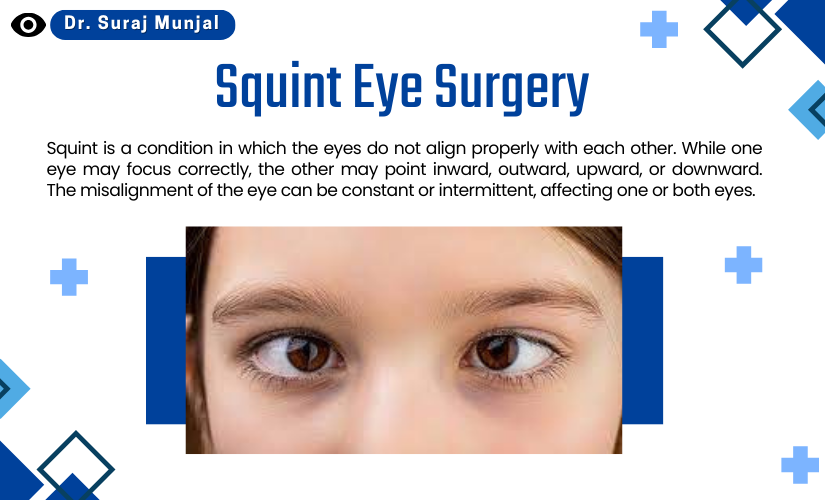
Squint, also known as strabismus, is a condition in which the eyes do not align properly. It can affect vision and appearance, especially in children and young adults. For many international patients, treating squint can be expensive or unavailable in their home country. That's why India has become a preferred destination for affordable, high-quality squint eye surgery.
The cost of squint eye surgery in India ranges from $700 to $1,500 per eye. The treatment cost depends on the severity of the squint, the number of muscles involved, and whether the patient requires adjustable sutures or general anesthesia. The price is significantly lower than in countries like the USA, UK, or UAE, without compromising on surgical standards.
Table of Contents
What is Squint and Why is Surgery Required?
Squint is a condition in which the eyes do not align properly with each other. While one eye may focus correctly, the other may point inward, outward, upward, or downward. The misalignment of the eye can be constant or intermittent, affecting one or both eyes.
How Does Squint Affect Vision?
When the eyes are misaligned, the brain receives two different visual signals. To avoid confusion or double vision, especially in children, the brain may begin to ignore input from the misaligned eye. Over time, this can lead to amblyopia, also known as lazy eye, a condition that reduces vision in the affected eye.
Adults with squint may experience:
- Double visio
- Eye strain or fatigue
- Difficulty with depth perception
- Social or cosmetic concerns
What Causes Squint?
Squint can occur due to various reasons:
- Congenital (present at birth)
- Refractive errors (especially untreated farsightedness)
- Neurological or muscular disorders
- Eye injuries or trauma
- Medical conditions like stroke or thyroid disease
Why is Squint Eye Surgery Recommended?
Squint eye surgery is recommended when non-surgical methods, such as eyeglasses, eye patches, or vision therapy, are not effective. Surgery helps by adjusting the extraocular muscles to properly align the eyes. The benefits of surgery include:
- Improved visual alignment
- Better depth perception and 3D vision
- Enhanced cosmetic appearance
- Increased confidence and quality of life
Early intervention is crucial, especially for children, to prevent long-term vision loss and ensure proper visual development.
What Are the Different Types of Squint Eye Surgeries?
Squint (strabismus) surgery is not a one-size-fits-all procedure. The type of surgery depends on the direction of misalignment, severity of the condition, and whether one or both eyes are affected. In India, hospitals offer a wide range of squint correction techniques using the latest tools and technologies.
- Unilateral Strabismus Surgery: This surgery is performed on one eye, usually when the squint is mild or affects only one set of eye muscles. It involves either strengthening or weakening specific muscles to achieve alignment.
- Bilateral Strabismus Surgery: If both eyes are misaligned or if correction of one eye does not provide balance, bilateral surgery is done. Muscles in both eyes are adjusted in a single procedure to improve coordination and alignment.
- Adjustable Suture Surgery: This advanced technique enables surgeons to fine-tune eye alignment after surgery, typically within 24 hours of the procedure. It is commonly used in adults or complex cases where precise control is essential.
- Botulinum Toxin Injection: In selected cases, especially in adults or when surgery isn't feasible, Botox may be injected into specific eye muscles. It temporarily weakens the muscle, allowing the eye to realign. The effect can last several months and sometimes provides long-term correction.
- Reoperation Surgery (for Complex or Recurrent Squint): Patients who have undergone previous squint surgery but still experience misalignment may need reoperation. These are more complex procedures and require experienced strabismus surgeons, who are readily available in India.
What is the Procedure for Squint Eye Surgery?
India offers a well-structured, evidence-based approach to squint eye (strabismus) surgery, making it a safe and effective solution for both children and adults. From diagnosis to discharge, the procedure adheres to global standards, with care tailored to each patient's specific condition.
Step 1: Preoperative Evaluation and Diagnosis
Before scheduling surgery, Indian ophthalmologists conduct a comprehensive assessment to identify the type, degree, and cause of the squint. This evaluation typically includes:
- Visual Acuity Testing: Measures how clearly each eye can see.
- Cover Tests and Hirschberg Test: Help identify the direction and severity of eye deviation.
- Ocular Motility Examination: Checks the functioning of the six extraocular muscles that control eye movement.
- Prism Bar or Synoptophore Testing: Quantifies the degree of eye misalignment in prism diopters.
- Refraction Test: Determines the need for corrective eyeglasses or contact lenses.
- Fundus and Slit Lamp Exam: Rules out any retinal or structural abnormalities.
- Sensory Testing (Binocular Vision Assessment): Evaluates depth perception and fusion capability.
After the evaluation, the surgeon creates a customized surgical plan, choosing specific muscles to operate on and whether to perform unilateral or bilateral surgery.
Step 2: Anesthesia and Preparation
- Children usually undergo squint surgery under general anesthesia to ensure complete comfort and immobility.
- Adults may receive local anesthesia with sedation or general anesthesia depending on their anxiety level, type of surgery, and medical history.
The anesthesiology team thoroughly evaluates each patient to ensure the safe administration and recovery from anesthesia.
Step 3: Surgical Procedure
Ophthalmic surgeons in India use a microsurgical technique under an operating microscope for precision and safety. The steps involved are:
- The surgeon makes a small incision in the conjunctiva (the transparent tissue covering the white of the eye).
- They then access the extraocular muscles responsible for eye movement.
- Depending on the misalignment, the surgeon either:
- Recesses (weakens) an overactive muscle by detaching and repositioning it farther back on the eyeball, or
- Resects (strengthens) a weak muscle by shortening and reattaching it closer to the original point.
- In some adult procedures, surgeons use adjustable sutures, which allow postoperative fine-tuning of eye position 6–24 hours after surgery under local anesthesia.
- The surgeon uses absorbable or non-absorbable sutures to secure the muscles in their new position.
- The eye is irrigated, and antibiotic drops are applied to prevent infection.
The average duration of the procedure ranges from 30 minutes to 90 minutes, depending on the number of muscles and whether one or both eyes are involved.
Step 4: Recovery and Postoperative Care
Most Indian hospitals allow patients to go home the same day after surgery unless there are additional medical needs.
After surgery:
- Patients may experience mild redness, tearing, and foreign body sensation, which usually resolve within a few days.
- Ophthalmologists prescribe antibiotic-steroid eye drops for 1 to 2 weeks to reduce inflammation and prevent infection.
- Eye alignment typically improves within the first few days, although complete healing and stability take 4 to 6 weeks to achieve.
- In children, doctors may combine surgery with vision therapy or patching to manage amblyopia.
- Surgeons schedule follow-up visits at Day 1, Week 1, and Month 1 post-surgery to monitor healing and alignment.
Success Rate and Long-Term Results
- The success rate of primary squint surgeries in India is over 85-90%, particularly in uncomplicated cases of horizontal strabismus.
- In complex or reoperation cases, success rates range between 70% and 80%, with high satisfaction in cosmetic outcomes.
- Most patients achieve improved binocular vision and cosmetic alignment, boosting both visual function and self-confidence.
How Much Does Squint Eye Surgery Cost in India?
The cost of squint eye surgery in India typically ranges from $700 to $1,500 (INR 40,000 to INR 1,25,000). It makes India one of the most affordable destinations in the world for high-quality eye alignment procedures. Despite their low cost, Indian hospitals offer advanced surgical techniques and internationally trained ophthalmologists who deliver results comparable to those of leading global centers.
Cost Breakdown by Type of Surgery
|
Type of Squint Surgery |
Estimated Cost (USD) |
Estimated Cost (INR) |
|
Unilateral Strabismus Surgery |
$700 – $800 |
₹40,000 – ₹65,000 |
|
Bilateral Strabismus Surgery |
$800 – $1,200 |
₹65,000 – ₹95,000 |
|
Adjustable Suture Surgery |
$1,000 – $1,500 |
₹80,000 – ₹1,25,000 |
|
Reoperation for Recurrent Squint |
$1,200 – $2,000 |
₹95,000 – ₹1,60,000 |
|
Botulinum Toxin Injection (per eye) |
$300 – $600 |
₹25,000 – ₹50,000 |
What's Included in the Cost?
Most eye hospitals in India provide a comprehensive squint surgery package that includes:
- Preoperative investigations (vision tests, muscle strength analysis, and ocular imaging)
- Surgical procedure charges, including anesthesia
- Surgeon and hospital fees
- One or more follow-up consultations
- Postoperative medications (eye drops, painkillers, etc.)
- Daycare admission (in most cases)
Some top-tier hospitals may also include in-house optometry assessments, child counseling (for pediatric cases), and patching therapy guidance as part of the total package.
Cost Comparison: Squint Eye Surgery in India vs Other Countries
India offers one of the most cost-effective treatment options in the world for squint (strabismus) eye surgery, without compromising quality. International patients traveling to India can access world-class ophthalmic care at up to 80% lower costs compared to countries like the United States or the UK.
Here's a country-wise cost comparison to help you understand the savings potential:
|
Country |
Average Cost (USD) |
Inclusions |
|
India |
$500 – $1,500 |
Consultation, surgery, anesthesia, and follow-up |
|
United States |
$5,000 – $7,000 |
Surgery only; hospital and anesthesia extra |
|
United Kingdom |
$4,000 – $6,000 |
NHS may not cover adult cosmetic squints |
|
Australia |
$3,500 – $5,000 |
Includes surgery; long wait times |
|
Singapore |
$2,500 – $4,000 |
Higher cost of living |
|
Turkey |
$1,800 – $2,500 |
Competitive, but higher than India |
|
UAE |
$3,500 – $6,000 |
Limited specialist availability |
What Factors Influence the Cost of Squint Eye Surgery in India?
Although the average cost of squint eye surgery in India ranges from $700 to $1,500, the final price can vary significantly depending on multiple patient-specific and procedural factors. Understanding these elements will help international patients make informed decisions and plan their medical trip efficiently.
- Type and Complexity of the Squint: The nature of the misalignment plays a significant role in determining cost. For example:
- Horizontal squints (inward or outward turning) are typically simpler and more affordable to correct.
- Vertical or torsional squints often require more delicate surgery and may be more expensive.
- Paralytic or restrictive squints caused by nerve or muscle damage (e.g., thyroid eye disease or trauma) require specialized approaches, increasing the complexity and cost.
- Number of Eye Muscles Involved: Surgeons may need to operate on one, two, or more extraocular muscles, depending on the severity of misalignment. The more muscles that need adjustment, the longer and more technically demanding the procedure becomes, resulting in higher surgical fees.
- Whether One or Both Eyes Need Surgery: Unilateral surgery (on one eye) is less expensive and suitable for milder cases. Bilateral surgery (on both eyes) is often required for a more balanced correction and incurs higher costs due to the additional time, anesthesia, and care involved.
- Surgical Technique Used: India offers both standard suturing techniques and more advanced methods. Adjustable suture techniques (mainly for adults) allow fine-tuning of eye alignment after surgery. Botulinum toxin injections, used either alone or with surgery in selected cases. These techniques require specialized skills and equipment, which can raise the cost.
- First-Time Surgery vs. Reoperation: Primary squint surgeries are generally straightforward and less costly. Reoperations (for patients who have had previous unsuccessful surgeries) are more complex and require careful planning, which increases the overall expense.
- Surgeon's Experience and Reputation: Highly experienced, fellowship-trained ophthalmologists (especially those specializing in pediatric or adult strabismus) often charge higher consultation and surgical fees. However, their expertise also leads to better outcomes and fewer complications.
- Hospital Infrastructure and Facilities: India has a wide range of hospitals, from budget-friendly eye centers to premium super-specialty hospitals. The cost may vary depending on:
- City and location (e.g., Delhi, Mumbai, Chennai may be slightly costlier than tier-2 cities)
- Hospital accreditation (e.g., NABH or JCI-accredited hospitals may charge more for superior standards)
- Room category (general ward, semi-private, or private deluxe rooms)
- Preoperative Evaluation and Testing: Some patients, especially children or those with complex strabismus, require multiple preoperative tests, including visual acuity assessment, prism measurements, binocular function testing, and neurological examinations. These add to the initial evaluation cost but are essential for surgical accuracy.
- Postoperative Care and Follow-Up Visits: Squint surgery doesn't end in the operating room. The cost may increase if the patient requires:
- More than the standard number of follow-up visits
- Vision therapy or orthoptic exercises post-surgery
- Prescription glasses or prism correction afterward
- Length of Hospital Stay
Why Choose India for Squint Eye Surgery?
India is a global leader in ophthalmology, offering high-precision squint correction surgeries at an affordable price. The country combines medical excellence, cutting-edge technology, and a patient-friendly environment, making it an ideal choice for both adults and children seeking treatment for strabismus.
- Globally Trained Ophthalmic Surgeons: India is home to highly experienced eye surgeons who specialize in pediatric and adult strabismus. Many of them have trained or practiced in the UK, USA, or Singapore and are well-versed in advanced techniques.
- Advanced Surgical Technology and Equipment: Top hospitals in India utilize state-of-the-art microscopes, image-guided systems, and minimally invasive tools to achieve enhanced accuracy and precision.
- High Success Rates with Low Risk: India's success rates in primary squint surgeries exceed 85%, with even higher success in cosmetic alignment. Pediatric centers often combine surgery with vision rehabilitation to ensure long-term binocular vision development in children.
- Fast Treatment Access and Minimal Wait Times: Unlike many Western healthcare systems, where non-emergency squint surgeries have long waitlists, Indian hospitals typically offer:
- Appointments within days
- Surgery scheduling within a week of evaluation
- Immediate access to diagnostics and anesthesia clearance
- English-Speaking Medical Professionals and International Support: Patients benefit from clear, direct communication with surgeons, nurses, and counselors, all of whom are fluent in English. Most hospitals have dedicated international departments to assist patients from overseas.
- Affordability Without Compromising Quality: India offers the rare advantage of combining low cost with high standards of care. Patients receive surgery, medication, follow-ups, and world-class hospitality for a fraction of the cost in developed nations, without any compromise in outcomes.
What Services Are Available for International Patients Seeking Squint Eye Surgery in India?
India's medical system is well-equipped to handle the needs of international patients, offering streamlined services that cover everything from pre-travel planning to post-surgery recovery. These services help reduce stress, save time, and ensure a smooth medical experience for patients coming from abroad.
- Pre-Arrival Coordination and Virtual Consultations: Many hospitals offer pre-arrival coordination through virtual consultations, enabling patients to share their medical reports, receive a preliminary diagnosis, and obtain a personalized cost estimate before booking their travel. It helps patients understand the treatment plan in advance and feel more confident about their decision.
- Visa and Travel Assistance: To facilitate travel formalities, hospitals typically issue visa invitation letters and guide the medical visa application process. They also help coordinate itineraries based on the treatment schedule, making travel planning more efficient and streamlined. Upon arrival, patients are often greeted at the airport by a hospital representative and provided with transportation to their accommodation or directly to the hospital for admission.
- Assistance with Accommodation and Meals: Accommodation support is another essential feature. Hospitals either provide on-campus guest rooms or collaborate with nearby hotels and serviced apartments to ensure comfortable and affordable stays. These accommodations are often tailored to international preferences and may include access to a kitchen, air conditioning, and various meal options.
- Language and Interpretation Services: Language is rarely a barrier, as most hospitals employ multilingual coordinators or interpreters to assist patients who are not fluent in the English language. It ensures that patients fully understand the treatment process, medical advice, and follow-up care instructions. For patients requiring customized dietary options or those with cultural sensitivities, arrangements are often made in advance.
- Postoperative Monitoring and Teleconsultation: After surgery, international patients benefit from continued support through teleconsultations. Surgeons stay in touch via video calls, emails, or photo updates to monitor recovery and provide advice. Hospitals also issue detailed discharge summaries, medication instructions, and fitness-to-fly certificates, helping patients return home safely with all necessary documentation in hand.
These services ensure that international patients receive not only top-quality medical care but also personalized attention and logistical support throughout their medical journey in India.
Patient Testimonial: My Experience with Squint Eye Surgery in India
"I had struggled with a noticeable eye misalignment since childhood. Living in Kenya, the cost of surgery was too high. After doing some research, I decided to travel to India for squint eye correction. From the very first video consultation, Dr. Munjal explained everything clearly and thoroughly. When I arrived, the hospital team arranged airport pickup, helped with accommodation, and even assigned a coordinator who spoke Swahili, which made me feel completely at ease."
"The surgery itself was smooth and painless. I had it done under local anesthesia, and I was able to walk out the same day. Within a week, I could already see a big difference in the alignment of my eyes. Not only has my appearance improved, but I also feel more confident while speaking to people. What impressed me the most was the postoperative care. Even after returning home, I stayed in touch with the surgeon through video calls to track my recovery. I'm truly grateful for the expertise, affordability, and kindness I experienced in India."
— Joseph M., 34, Nairobi, Kenya
Frequently Asked Questions
No, squint surgery is not painful. Patients are given either general or local anesthesia, depending on their age and condition. After the procedure, there may be mild discomfort, redness, or a foreign body sensation, but these symptoms typically resolve within a few days.
Yes, adults can absolutely undergo squint eye surgery. While the condition is often treated in childhood, many adults opt for surgery to improve eye alignment, eliminate double vision, or enhance their appearance and confidence. Success rates are high in both age groups.
In most cases, squint surgery provides long-lasting or permanent correction. However, in complex cases or patients with underlying neurological conditions, additional procedures or vision therapy may be needed later on. The surgeon will evaluate this during follow-up visits.
Recovery is generally quick. Most patients return to everyday activities within 5 to 7 days. Redness and mild irritation may last for a week or two. Complete healing and stabilization of eye alignment may take up to 4 to 6 weeks.
International patients are usually fit to fly 3 to 5 days after the procedure. Your doctor will issue a fit-to-fly certificate after reviewing your postoperative condition to ensure it's safe for you to travel.
Squint surgery corrects eye alignment but does not treat refractive errors. If you needed glasses before surgery for nearsightedness, farsightedness, or astigmatism, you will likely continue to need them. However, the visual appearance and muscle control will improve significantly.
In children, especially those with amblyopia (lazy eye), vision therapy may be recommended after surgery to strengthen the weaker eye and restore binocular vision. Adults typically do not require extensive treatment unless double vision persists.
The cost of squint eye surgery in India ranges from $700 to $1,500, depending on the complexity of the case, the type of surgery, the hospital's location, and the surgeon's expertise. This price includes consultation, anesthesia, surgery, postoperative medication, and follow-up care.
Yes, many adult patients travel alone and receive full support from hospital staff. However, if the surgery is for a child, a parent or guardian must accompany them.
