Small Incision Lenticule Extraction (SMILE) Eye Surgery Cost in India
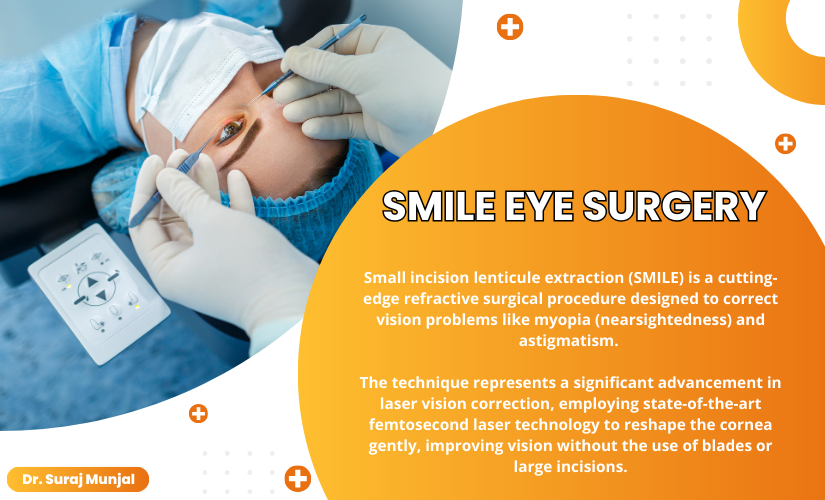
Small Incision Lenticule Extraction (SMILE) is an advanced, minimally invasive refractive eye surgery designed to correct vision problems such as myopia (nearsightedness) and astigmatism. Unlike traditional laser eye surgeries such as LASIK, SMILE requires only a tiny incision, making it a preferred option for individuals seeking faster recovery, reduced discomfort, and exceptional visual outcomes.
Developed by ZEISS, a global leader in ophthalmic technology, the SMILE procedure has rapidly gained international acceptance. It is especially popular among young adults and working professionals who want a swift return to their regular activities, given its short recovery period and minimal postoperative limitations.
Due to the availability of highly specialized eye hospitals, experienced ophthalmic surgeons, and cost-effective treatment packages, India has become a premier destination for international patients seeking SMILE eye surgery.
In India, the cost of SMILE Eye Surgery typically ranges from ₹50,000 to ₹90,000 ($600 to $1,100) per eye, making it significantly more affordable compared to other countries while maintaining high standards of care.
Table of Contents
What is SMILE Eye Surgery?
Small incision lenticule extraction (SMILE) is a cutting-edge refractive surgical procedure designed to correct vision problems like myopia (nearsightedness) and astigmatism. The technique represents a significant advancement in laser vision correction, employing state-of-the-art femtosecond laser technology to reshape the cornea gently, improving vision without the use of blades or large incisions.
Unlike conventional LASIK, which involves creating a corneal flap, SMILE surgery consists of the creation of a small, lens-shaped piece of tissue (known as a lenticule) within the cornea using precise femtosecond laser pulses. The surgeon then carefully removes this lenticule through a tiny incision, usually less than 4 millimeters in length. This minimally invasive approach preserves the structural integrity of the cornea, enhancing stability and reducing postoperative complications like dry eye syndrome.
Since SMILE surgery eliminates the need for flap creation, it significantly reduces risks associated with traditional LASIK procedures, such as flap displacement and complications during physical activities or contact sports. As a result, SMILE is increasingly preferred by athletes, military personnel, and individuals leading active lifestyles.
The entire procedure typically takes less than 15 minutes per eye, ensuring quick and efficient treatment. Most patients experience significant improvement in vision immediately following the surgery, with rapid recovery and minimal downtime.
Who are the Ideal Candidates for SMILE Eye Surgery?
SMILE Eye Surgery is highly effective and safe for patients meeting specific vision and health criteria. While the procedure is versatile and widely suitable, not everyone is an ideal candidate. A comprehensive ophthalmic evaluation is crucial to determine eligibility accurately.
- Patients who typically benefit most from SMILE surgery are those suffering from moderate to severe myopia (nearsightedness), with or without mild to moderate astigmatism.
- Specifically, candidates ideally have prescriptions ranging from approximately -1.00 to -10.00 diopters of myopia and up to about -5.00 diopters of astigmatism. These ranges, however, may slightly vary based on individual eye conditions and the surgeon's assessment.
- Patients should be at least 18 years of age, with stable vision prescription for a minimum of one year, ensuring their eyesight is no longer changing significantly. This stability helps achieve long-lasting and predictable visual outcomes.
- Additionally, ideal candidates should have healthy corneas with sufficient thickness, free from diseases or conditions such as keratoconus, severe dry eye syndrome, or uncontrolled glaucoma.
- General good health is necessary, without systemic illnesses like diabetes or autoimmune disorders that could potentially hinder healing or increase surgical risks.
- Patients who are physically active, including athletes and those regularly participating in contact sports, often find SMILE advantageous due to the absence of a corneal flap, significantly reducing the risk of complications from physical impact.
Ultimately, suitability for SMILE surgery is best determined through a detailed ophthalmic consultation, involving comprehensive diagnostic tests such as corneal mapping and thickness measurements to confirm eligibility and maximize safety.
What are the Benefits of SMILE Eye Surgery?
SMILE Eye Surgery offers a modern and highly effective solution for vision correction. It has several clear advantages over traditional procedures like LASIK and PRK, especially for people with active lifestyles.
- One of the most significant benefits is its minimally invasive nature. The procedure uses a single femtosecond laser to remove a thin lenticule through a small incision, usually around 2-4 mm. It helps preserve the natural strength of the cornea and leads to faster healing.
- Another significant advantage is less dryness after surgery. Since SMILE avoids creating a large flap on the cornea, it causes less disruption to the nerves responsible for tear production. Patients report fewer problems with dry eyes after SMILE compared to LASIK.
- Faster recovery is also a key benefit. Most people can return to their regular routine, including work, within a couple of days. The vision starts improving almost immediately and becomes stable in just a few weeks.
- For those involved in sports or physically demanding jobs, SMILE is a safer option because there’s no risk of flap-related injuries. The small incision means fewer complications during contact activities.
- Lastly, SMILE provides excellent visual outcomes. Most patients achieve 20/20 or better vision without glasses or contact lenses. The results are stable and long-lasting when done under expert care.
What is the Procedure of SMILE Eye Surgery?
SMILE Eye Surgery is a short, painless procedure that typically takes around 10 to 15 minutes for both eyes. Here's how it is done, step by step:
- The process begins with a comprehensive pre-surgery evaluation. The ophthalmologist checks your eye power, corneal thickness, curvature, and overall eye health. Once you're found suitable, the surgery is scheduled.
- On the day of the procedure, your eyes are numbed using anesthetic eye drops. You remain awake, but there is no discomfort.
- The surgeon uses a femtosecond laser to create a small disc-shaped layer (called a lenticule) inside the cornea and simultaneously makes a tiny incision on the surface.
- The lenticule is then gently removed through the incision. It changes the shape of the cornea, which corrects your vision. Unlike LASIK, there’s no need to create a large flap or use a second laser.
- The incision is so small that it doesn’t require any stitches and heals naturally. You can open your eyes and see right after the procedure, though vision may appear hazy initially.
- The entire surgery is completed quickly, and both eyes are usually treated in one session.
- After the procedure, you’ll rest for a short while at the clinic. Your doctor will provide eye drops and instructions for recovery.
- Most people can return home the same day and resume daily activities within 24-48 hours.
What are the Potential Risks and Complications of SMILE Surgery?
SMILE Eye Surgery is widely considered safe, but like any surgical procedure, it carries some potential risks and side effects. Understanding them helps patients make an informed decision.
- The most common issue after surgery is temporary visual disturbance. Some people may experience glare, halos, or slight blurriness, especially at night. These effects usually go away within a few weeks as the eyes heal.
- Dry eyes may occur in some patients, though this is far less common compared to LASIK. SMILE preserves more of the corneal nerves, so most people experience minimal dryness, and it typically improves with eye drops.
- In rare cases, incomplete lenticule removal can lead to undercorrection or vision issues. If that happens, the surgeon may recommend a second procedure to refine the result. However, with modern equipment and experienced surgeons, this is very uncommon.
- Infection or inflammation is also rare but possible. To reduce this risk, doctors prescribe antibiotics and anti-inflammatory drops after surgery. Following instructions carefully during recovery significantly reduces these risks.
- Lastly, a few patients may notice slower visual recovery compared to LASIK. While many see improvements immediately, some people take a few weeks for vision to stabilize completely.
What Advanced Technology is Used in SMILE Eye Surgery?
SMILE Eye Surgery relies on state-of-the-art technology to deliver precise and reliable results. The most critical component of this procedure is the femtosecond laser, which plays a central role in creating the lenticule and the small incision through which it is removed.
Globally, the most trusted system for SMILE is the ZEISS VisuMax femtosecond laser platform. This device is known for its high-speed performance, accuracy, and exceptional safety. It operates at a wavelength of 1,043 nm and uses ultra-short laser pulses to create a smooth lenticule within the corneal tissue without generating heat or damaging surrounding areas.
The VisuMax system ensures perfect centration, sharp contouring, and minimal tissue disruption. Its curved contact interface allows for natural eye shape alignment during the procedure, which increases comfort and accuracy.
Another key part of this technology is its automated eye tracking and centration system, which locks onto the eye’s position and ensures the laser targets the exact spot even if minor eye movement occurs during surgery.
Advanced diagnostic tools such as corneal topography, pachymetry, and wavefront analysis are also used before the surgery to map the cornea and confirm that it meets the ideal criteria for SMILE. These tools help surgeons tailor the procedure to each patient’s unique eye structure.
What is the Cost of SMILE Eye Surgery in India?
India offers some of the most affordable and high-quality SMILE Eye Surgery options in the world. On average, the cost of SMILE Eye Surgery in India ranges from ₹50,000 to ₹90,000 per eye, which is approximately $600 to $1,100. It includes consultation, surgery, and follow-up care in most cases.
The cost depends on the surgeon’s experience, hospital reputation, technology used (such as ZEISS VisuMax), and whether one or both eyes are being treated. Unlike in many Western countries where the cost can be more than double, Indian hospitals deliver the same advanced technology at a fraction of the price.
|
Treatment Type |
Cost in INR (Per Eye) |
Cost in USD (Per Eye) |
|
Standard SMILE Surgery |
₹50,000 – ₹70,000 |
$600 – $850 |
|
Advanced SMILE with ZEISS |
₹70,000 – ₹90,000 |
$850 – $1,100 |
What Does the Cost Typically Include?
The quoted price generally includes:
- Pre-operative eye scans and consultations
- The actual SMILE surgical procedure
- Use of an advanced femtosecond laser (ZEISS VisuMax)
- Surgeon and hospital charges
- Standard post-surgery medications and eye drops
- Follow-up visits (usually 1–2)
However, some premium hospitals may offer customized vision correction packages that include hotel stay, airport transfers, or personal coordinators for international patients at an added cost.
SMILE Eye Surgery Cost Comparison by Country
SMILE eye surgery is a premium vision correction procedure, and its cost varies widely depending on the country. India stands out as one of the most affordable destinations offering this advanced technology with world-class standards. While the surgical technique and equipment remain largely the same worldwide, pricing is heavily influenced by healthcare infrastructure, labor costs, insurance models, and overall economic conditions.
|
Country |
Cost per Eye (Approx. in USD) |
|
India |
$600 – $1,100 |
|
United States |
$2,500 – $4,000 |
|
United Kingdom |
$2,200 – $3,500 |
|
Canada |
$2,000 – $3,200 |
|
UAE |
$2,000 – $3,000 |
|
Australia |
$2,500 – $3,800 |
|
Thailand |
$1,500 – $2,500 |
|
Singapore |
$2,000 – $3,500 |
Why India Offers Lower Cost Without Compromising Quality
India’s healthcare model allows hospitals to offer advanced procedures like SMILE at a fraction of Western costs. Labor and operational costs are lower, but the medical technology (such as the ZEISS VisuMax laser) is the same as in high-income countries.
Additionally, many Indian eye surgeons are internationally trained, fluent in English, and experienced in handling international patients. This combination of affordability, quality, and personalized care makes India a preferred destination for patients from the Middle East, Africa, Southeast Asia, and even Europe.
What are the Factors Affecting the Cost of SMILE Eye Surgery?
The cost of SMILE Eye Surgery in India varies based on several factors. While the country offers consistently affordable pricing compared to Western nations, the final cost still depends on the specifics of your case and hospital preferences.
- Type of Technology Used: Hospitals equipped with the ZEISS VisuMax femtosecond laser, considered the gold standard for SMILE, may charge a premium. This high-end technology ensures precision, safety, and faster recovery, justifying a higher cost.
- Surgeon’s Experience and Reputation: Highly experienced ophthalmic surgeons, especially those trained internationally or with decades of successful procedures, often command higher fees. Their expertise contributes to better outcomes and fewer complications, making them worth the investment for many patients.
- Hospital Category and Accreditation: Top-tier NABH- or JCI-accredited hospitals or specialized eye centers with premium infrastructure and patient care standards usually have higher charges. These hospitals often include advanced diagnostic tests and personalized support in their packages.
- Location of the Hospital: Cities like Delhi, Mumbai, Bengaluru, and Hyderabad may have higher procedure costs due to increased demand and higher operational expenses. However, many tier-2 cities also offer world-class services at slightly reduced rates.
- Whether One or Both Eyes Are Treated: The total cost will double if both eyes are treated. Some hospitals offer discounts for treating both eyes in the same session, which can make the overall treatment more economical.
- Pre-Existing Eye Conditions or Complex Cases: If your eyes require additional care or customized vision correction beyond standard SMILE (such as for high astigmatism or thin corneas), this can increase the cost due to extended surgical time or extra diagnostics.
- Inclusions and Add-Ons in the Package: Some hospitals provide comprehensive packages that include hotel stays, airport transfers, meals, and concierge services for international patients. These additional services will raise the overall price.
Being aware of these factors helps patients plan their budget better and choose the right hospital that balances quality and affordability.
Why Choose India for SMILE Eye Surgery?
India has become a trusted global destination for advanced eye care, especially for procedures like SMILE Eye Surgery. International patients choose India not just for affordability, but for its combination of medical excellence, cutting-edge technology, and personalized care.
- World-Class Surgeons: India is home to some of the most experienced ophthalmologists, many of whom are internationally trained and have performed thousands of refractive surgeries. Their expertise ensures precision, safety, and excellent visual outcomes.
- Advanced Technology: Hospitals across India use top-tier equipment like the ZEISS VisuMax femtosecond laser, the gold standard for performing SMILE surgery. It ensures patients receive the same level of care found in the US, UK, or Singapore.
- Affordable Pricing: The cost of SMILE Eye Surgery in India is 60–80% lower than in Western countries, without compromising on safety or quality. This cost-effectiveness attracts thousands of medical tourists each year.
- Minimal Waiting Time: Unlike many other countries, appointments and surgeries in India can be scheduled quickly. Patients can often complete the full treatment, including recovery, within a week.
- Proven Outcomes: India reports high success rates for SMILE, often above 95%. Patient reviews consistently reflect high satisfaction with vision results, quick recovery, and professional care.
Choosing India for SMILE Eye Surgery means getting the latest vision correction treatment from expert hands, at a much lower cost, with international-standard facilities and seamless support throughout the medical journey.
What are the International Patient Services Offered in India?
India’s leading eye hospitals provide dedicated support to ensure international patients have a smooth and stress-free medical journey from arrival to recovery. These services are designed to address every need (medical and non-medical), so that patients can focus entirely on their treatment and healing.
- Medical Visa Assistance: Hospitals have specialized teams to help patients secure a fast-track medical visa. They provide official invitation letters, required documents, and even embassy coordination if needed.
- Airport Pick-Up and Drop-Off: To ensure hassle-free arrivals, many hospitals offer complimentary airport transfers. A hospital representative greets the patient and arranges safe transport to the hospital or hotel.
- Accommodation Support: Partner hotels and guest houses located near the hospital offer clean, affordable rooms. The hospital’s international desk often helps patients choose and book lodging based on budget and preferences.
- Language Interpretation Services: For patients from Arabic, Russian, French, Swahili, or other non-English-speaking regions, interpretation services are available to ease communication between patients, doctors, and hospital staff.
- Dedicated Patient Relationship Managers: Each international patient is assigned a coordinator who manages the entire process, from appointments to test scheduling and billing, ensuring personalized support throughout the stay.
- Customized Treatment Packages: Hospitals often provide all-inclusive SMILE surgery packages for foreign patients. These may cover consultations, surgery, medicines, follow-ups, and even accommodation and food, making budgeting easier.
- Follow-Up and Remote Consultation: After returning home, patients can stay in touch with their surgeon through email or video consultations. It helps in tracking recovery and addressing any post-op questions or concerns without needing a second visit.
- Help for Family Members or Attendants: Hospitals also offer assistance for accompanying family members, including lounge access, meals, and guidance on local transportation and sightseeing.
These well-rounded services make India a trusted and welcoming choice for patients traveling from abroad to undergo SMILE Eye Surgery.
What are the Success Rates and Outcomes of SMILE Surgery in India?
SMILE Eye Surgery in India delivers highly successful and consistent visual outcomes. The procedure is backed by advanced technology and performed by experienced ophthalmic surgeons, contributing to its high satisfaction rate among both domestic and international patients.
Over 95% of patients achieve 20/20 vision or better after SMILE. In many cases, vision improves to 6/6 within just a few weeks. These outcomes are stable and long-term, with very low chances of regression when the procedure is done on a suitable candidate.
Since SMILE does not involve creating a corneal flap, it also offers enhanced corneal strength and biomechanical stability. It makes the procedure especially suitable for patients with thinner corneas or those engaged in high-impact physical activities.
Another advantage contributing to success is the low complication rate. Most patients do not experience post-surgical infections, and dry eye symptoms are minimal. In fact, SMILE has one of the lowest reported rates of postoperative dry eye among all laser eye surgeries.
Surgeons in India use globally recognized platforms like ZEISS VisuMax, and many have trained internationally, ensuring that patients receive world-class treatment. Their expertise, combined with rigorous pre-surgery screening and individualized planning, ensures each surgery is tailored for optimal results.
International patients consistently report high satisfaction with the clarity of vision, safety of the process, and speed of recovery. For those looking for safe, effective, and affordable vision correction, SMILE Eye Surgery in India stands as a proven and trusted option.
Patient Testimonials and Experiences
Anna J., UK:
“I flew to India for SMILE surgery after being quoted nearly $3,000 per eye back home. I had both eyes done at a renowned eye hospital in Delhi. The procedure was quick and completely painless. Within 24 hours, I was reading without glasses. The doctors explained everything clearly, and the hospital staff was warm and professional. I’d do it again in a heartbeat.”
Rashid K., UAE:
“My dry eyes made LASIK a risky option, so my doctor recommended SMILE. I chose a reputed eye center in India and was amazed by the technology. The ZEISS VisuMax machine was the same one used in Europe. The cost was almost a third of what I’d pay in Dubai, and the results were outstanding.”
Jennifer M., Australia:
“I was nervous about eye surgery, but my surgeon in India walked me through each step. The entire process, from airport pickup to post-op care, was so well organized. My vision is now better than it ever was with contact lenses, and I had zero complications.”
Mohammed H., Oman:
“After the surgery, I was back to work in two days. No pain, no irritation, just perfect vision. The hospital even arranged for my local travel and accommodation. I highly recommend coming to India for SMILE eye surgery.”
Frequently Asked Questions
The actual procedure takes about 10 to 15 minutes for both eyes. Each eye takes roughly 5 minutes. Including preparation and post-surgery observation, the total time at the clinic is about 2 to 3 hours.
No, it is not painful. Numbing eye drops are used before the surgery. Patients may feel slight pressure but no pain during the procedure.
Most patients return to work or routine tasks within 24 to 48 hours. However, doctors usually advise avoiding strenuous activities, swimming, or dusty environments for about a week.
Yes, the results are generally permanent for patients whose eye power has stabilized. If a person’s vision continues to change due to age or other conditions, further correction may be needed later.
Yes. SMILE is typically performed on both eyes in a single session unless a specific medical reason calls for treating them separately.
SMILE is considered safer for people with dry eyes or active lifestyles, as it involves no corneal flap. However, the best procedure depends on your eye condition, and your doctor will guide you accordingly.
The laser system includes advanced eye-tracking and safety features. It automatically adjusts or pauses if there is too much movement, making the process extremely safe.
Most patients do not need glasses for distance vision after SMILE. However, reading glasses may be required later in life due to age-related vision changes (presbyopia), which is normal.
Generally, reputed hospitals provide transparent packages. However, charges may vary if additional diagnostics, premium lenses, hotel stays, or personal services are added. Always ask for a detailed package before booking.
It’s best to stay for 2–3 days after surgery for follow-up. Once your doctor confirms that healing is on track, it is safe to travel.
