Retinal Detachment Surgery Cost in India
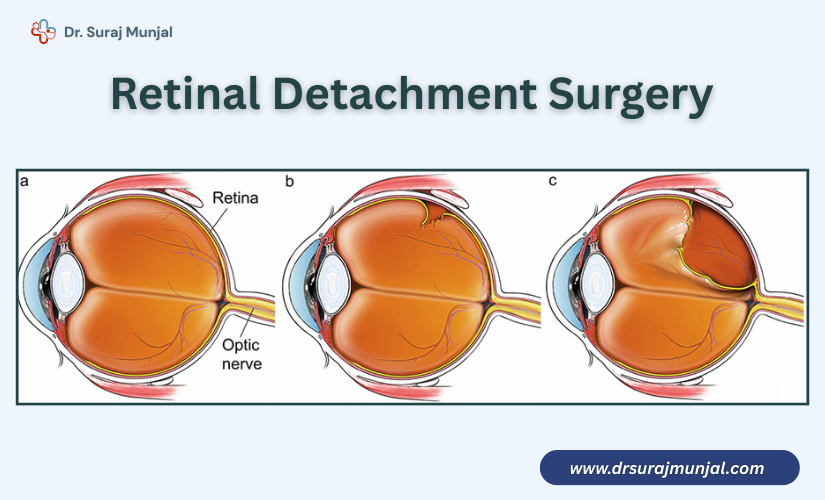
Retinal detachment is a serious eye condition where the retina (the light-sensitive tissue lining the back of the eye) separates from its underlying support layer. If left untreated, this can lead to permanent vision loss. Retinal detachment is considered a medical emergency and requires surgical intervention to restore vision and prevent blindness.
Fortunately, India offers world-class eye care facilities with experienced retina specialists and advanced surgical technologies. For international patients, India is not only a top destination for eye surgeries but also one of the most affordable.
The cost of retinal detachment surgery in India typically ranges between $1,500 and $3,500, depending on the complexity of the case, the type of surgery required, the surgeon's expertise, and the city or hospital chosen. It makes India a highly cost-effective option compared to countries like the USA or UK, where the same procedure can cost up to five times more.
Table of Contents
What is Retinal Detachment and Why is Surgery Needed?
Retinal detachment is a condition where the retina—the thin layer of tissue at the back of the eye—pulls away from its normal position. Since the retina is responsible for capturing light and sending visual signals to the brain, any separation from its blood supply can result in rapid loss of vision.
This condition can happen suddenly and often presents with warning signs such as:
- Sudden appearance of floaters (tiny specks or threads drifting across vision)
- Flashes of light, especially in peripheral vision
- A shadow or curtain effect descending over part of the visual field
- Blurred or distorted central vision
There are three main types of retinal detachment:
- Rhegmatogenous – Caused by a retinal tear or hole, often due to aging or trauma.
- Tractional – Occurs when scar tissue pulls on the retina, common in diabetic retinopathy.
- Exudative – Caused by fluid buildup under the retina without a tear, linked to inflammation or tumors.
Surgery is essential because once the retina detaches, it cannot heal on its own. If left untreated, the longer the retina remains detached, the higher the risk of permanent vision loss. That’s why early detection and immediate surgical intervention are crucial to saving sight.
Modern procedures are highly effective, with success rates over 90% in many cases, especially when performed early. Depending on the type and severity of detachment, different surgical techniques may be used to reattach the retina and restore vision.
Who Needs Retinal Detachment Surgery?
Retinal detachment doesn’t improve on its own. It requires prompt surgical treatment to preserve vision. Surgery is recommended for anyone diagnosed with a retinal detachment or a high-risk retinal tear, especially if there are signs that the retina is lifting or separating from its underlying layers.
You may need retinal detachment surgery if you experience any of the following:
- A sudden increase in floaters — black spots or cobweb-like shapes in your field of vision
- Flashes of light, particularly in peripheral vision
- A shadow, curtain, or veil spreading across your vision from one side
- Blurred or distorted central vision that worsens rapidly
- Diagnosed retinal tear or hole that risks progressing into detachment
- Vision changes following eye trauma, surgery, or high myopia (severe nearsightedness)
Some people are more prone to developing retinal detachment and may require preventative surgery or close monitoring. These include:
- Individuals with high myopia
- People with a family history of retinal detachment
- Patients who have undergone cataract surgery
- Those with diabetic retinopathy or eye injuries
- Individuals with retinal lattice degeneration
If a retinal tear or detachment is identified early, it can often be repaired before it causes severe damage. In some cases, minor tears can be sealed using laser photocoagulation or cryotherapy. But once detachment occurs, urgent surgery is the only option to prevent permanent blindness in the affected eye.
What are the Types of Retinal Detachment Surgery and How They Work?
The choice of surgical technique for retinal detachment depends on the type, size, and location of the detachment, as well as the overall health of the eye. Today’s advanced procedures are minimally invasive, highly effective, and often performed under local or regional anesthesia. Here are the most commonly used methods:
Vitrectomy
Vitrectomy is the most widely used surgical procedure for retinal detachment, particularly when the detachment is complex or involves scar tissue. In this procedure, the surgeon removes the vitreous gel from the eye to gain access to the retina. The retina is then repositioned and secured using a gas bubble, silicone oil, or a combination of both. Over time, the eye naturally replaces the gas bubble with its own fluids.
Vitrectomy is a highly precise procedure that allows for better access to the retina. It’s often used in diabetic cases or when the detachment is large or involves the macula.
Scleral Buckling
This traditional technique involves placing a flexible silicone band (called a buckle) around the white part of the eye (sclera). The buckle gently pushes the eye wall inward, bringing it closer to the detached retina and relieving the force caused by vitreous traction. It’s often combined with cryotherapy or laser treatment to seal retinal tears.
Scleral buckling is commonly used in younger patients or those with simple, localized detachments. It’s a proven and effective method with long-term success rates.
Pneumatic Retinopexy
This is a less invasive procedure typically reserved for specific, uncomplicated types of retinal detachment. The surgeon injects a small gas bubble into the vitreous cavity, which floats up and presses the retina back into place. A laser or cryotherapy is then used to seal the tear. The patient is required to maintain a strict head position for several days to keep the bubble in place.
Pneumatic retinopexy is typically performed as an outpatient procedure, offering a quicker recovery; however, it’s not suitable for all types of retinal detachments.
Laser Photocoagulation and Cryopexy
If the retina is not yet fully detached but shows a tear or hole, sealing the break can prevent progression. In laser photocoagulation, laser energy is used to create a scar tissue barrier around the tear. Cryopexy involves freezing the surrounding area to achieve the same result.
These methods are preventive and are often done before full detachment occurs.
What are the Benefits of Retinal Detachment Surgery?
Retinal detachment is a vision-threatening emergency, but modern surgical techniques offer a strong chance of visual recovery when performed promptly. With success rates exceeding 90% in many cases, retinal detachment surgery can help patients retain or regain useful vision and prevent permanent blindness.
The key benefits of undergoing retinal detachment surgery are:
- Vision Preservation and Restoration: The most significant benefit is the potential to preserve or restore vision. When treated early, patients often recover much of their lost sight. Even in cases where full vision restoration isn't possible, surgery can prevent further deterioration and preserve remaining vision.
- Prevents Permanent Blindness: Once the retina detaches, it loses access to oxygen and nutrients. Surgery re-establishes this connection, helping avoid irreversible damage. Acting quickly can mean the difference between normal vision and permanent vision loss.
- High Success Rates: Advanced surgical methods, such as vitrectomy and scleral buckling, now offer high success rates. Even in complex or recurrent cases, skilled retinal surgeons can often achieve good anatomical and visual outcomes.
- Minimally Invasive Options Available: Many procedures today are performed minimally invasively and under local anesthesia. Recovery times are shorter, post-operative discomfort is reduced, and patients can return to daily activities sooner.
- Long-Term Eye Stability: Surgical repair not only reattaches the retina but also addresses underlying issues, such as retinal tears or vitreomacular adhesion (vitreous traction). This helps reduce the risk of re-detachment or further complications in the future.
- Improved Quality of Life: Regaining vision or preventing further vision loss allows patients to return to work, drive, read, and perform everyday tasks independently. For many, it restores confidence and enhances overall quality of life.
Timely diagnosis and surgery are crucial. The longer the retina remains detached—especially if the macula is involved—the lower the chances of full visual recovery. That’s why immediate attention and expert surgical care make all the difference in outcomes.
Retinal Detachment Surgery Cost in India
The cost of treatment in India is significantly lower than in countries like the USA, UK, or UAE — all without compromising on surgical standards, safety, or outcomes. The average cost of retinal detachment surgery in India ranges from $1,500 to $3,500, depending on the type of procedure, the hospital's infrastructure, the technology used, and whether the detachment affects one eye or both.
Here’s a breakdown of typical price ranges by procedure type:
|
Procedure Type |
Estimated Cost (USD) |
|
Pneumatic Retinopexy |
$1,500 – $2,000 |
|
Scleral Buckling |
$1,800 – $2,500 |
|
Vitrectomy |
$2,000 – $3,000 |
|
Vitrectomy with Silicone Oil |
$2,500 – $3,500 |
These costs often include:
- Pre-operative evaluations and scans (OCT, B-scan)
- Surgeon’s fees
- Operating room charges
- Anesthesia
- One or more post-operative consultations
Some hospitals also offer medical tourism packages that bundle the cost of treatment, airport pickup, hotel accommodation, meals, and translator services into one affordable plan.
Cost Comparison: India vs Other Countries
One of the biggest advantages of choosing India for retinal detachment surgery is the significant cost difference — all while maintaining internationally accepted standards of care. Patients from around the world travel to India for advanced retinal procedures because they can receive expert treatment at a fraction of the cost it would incur in their home countries.
|
Country |
Vitrectomy Surgery Cost |
Scleral Buckling Cost |
Total Cost Range |
|
India |
$2,000 – $3,000 |
$1,800 – $2,500 |
$1,500 – $3,500 |
|
USA |
$8,000 – $12,000 |
$7,000 – $10,000 |
$7,000 – $15,000 |
|
UK |
$6,500 – $10,000 |
$5,000 – $8,500 |
$6,000 – $13,000 |
|
UAE |
$5,500 – $9,000 |
$4,500 – $7,500 |
$5,000 – $10,000 |
Note: These are estimated averages and actual prices may vary depending on hospital policies, insurance coverage, and individual case complexity.
Why Is It More Affordable in India?
- Lower administrative and infrastructure costs
- Government-regulated medical pricing
- High surgical volume leading to operational efficiency
- Access to skilled surgeons without inflated consultation or procedure fees
Despite the lower cost, India offers:
- FDA-approved equipment
- Globally trained retina specialists
- Advanced vitrectomy systems and laser platforms
- English-speaking medical teams and end-to-end international support
The result is world-class care that is both affordable and accessible to patients from the United States, Africa, the Middle East, and Southeast Asia.
What are the Factors Affecting the Cost of Retinal Detachment Surgery in India?
While retinal detachment surgery in India is generally affordable, the exact cost can vary significantly based on several clinical and non-clinical factors. Understanding these elements will help patients plan their treatment journey with greater clarity and avoid unexpected expenses.
- Type and Complexity of Surgery: The cost depends heavily on the type of surgery used. A simple pneumatic retinopexy is less expensive than a complex vitrectomy with silicone oil injection. Combined procedures or repeat surgeries due to re-detachment may also increase costs.
- Severity and Extent of Retinal Detachment: The more extensive the detachment — especially if it involves the macula or has been left untreated for an extended period — the more complicated the surgery, which directly affects the cost.
- Choice of Hospital and Infrastructure: Top-tier eye hospitals in metropolitan cities, equipped with advanced technology and international accreditations, may charge more compared to smaller centers. However, they often offer more comprehensive care and better outcomes.
- Experience of the Surgeon: Highly experienced retinal surgeons who specialize in complex cases may charge higher consultation and surgery fees. However, this often translates to more precise outcomes and fewer complications.
- Pre-Operative Diagnostics: Tests such as Optical Coherence Tomography (OCT), Fundus Photography, Fluorescein Angiography, and B-scan Ultrasonography are essential for treatment planning. These may be billed separately or included in a package.
- Use of Implants or Special Materials: In cases requiring silicone oil, gas bubbles, or specialized intraocular instruments, the cost increases depending on the type and quality of materials used during surgery.
- Post-Operative Care and Follow-Ups: The number of follow-up visits, medications, imaging, and, in some cases, a second surgery to remove silicone oil (typically after 2–3 months) can impact the total expenditure.
- Whether One or Both Eyes are Involved: Although rare, if both eyes require intervention, the cost is significantly higher. However, most surgeries are unilateral and focused on the affected eye only.
Why Choose India for Retinal Detachment Surgery?
India has emerged as a preferred destination for retinal surgeries, offering international patients a rare combination of affordability, advanced medical infrastructure, and globally trained eye specialists. Whether it's a routine retinal repair or a complex vitrectomy, patients can expect outcomes comparable to the best centers worldwide — often at one-third the cost.
- Expert Retinal Surgeons: India is home to a large pool of retina specialists with international training and decades of experience in handling all forms of retinal detachment. Many of them have performed thousands of successful surgeries, including complex reattachment cases.
- World-Class Technology and Infrastructure: Top eye hospitals are equipped with the latest vitrectomy machines, wide-field imaging systems, laser platforms, and sterile operating theaters. These tools help ensure safer, faster, and more precise procedures.
- Affordable and Transparent Pricing: Compared to countries like the USA or UK, retinal detachment surgery in India costs 60–80% less. Hospitals offer transparent billing, and many provide all-inclusive packages for international patients that cover diagnostics, surgery, post-op care, and accommodation.
- Personalized International Patient Care: Indian hospitals understand the needs of global patients. From airport pickup and interpreter services to dietary accommodations and visa assistance, the patient experience is smooth and hassle-free.
- Short Wait Times and Efficient Scheduling: Urgent cases, such as retinal detachment, are prioritized. Most hospitals schedule evaluations and surgeries within days — a crucial factor in preventing permanent vision loss.
- English-Speaking Medical Staff: Communication is seamless as most doctors, nurses, and coordinators speak fluent English. Hospitals also provide multilingual interpreters when needed.
- Safe Travel and Support Ecosystem: Major cities in India boast excellent air connectivity, and numerous hospitals are conveniently located near international airports. The growing medical tourism ecosystem ensures a safe and supported experience from arrival to recovery.
Choosing India not only ensures top-tier eye care at an affordable price, but also allows patients to receive treatment in a warm, compassionate environment backed by international standards of clinical excellence.
International Patient Testimonials
Grace M. – Nairobi, Kenya
Procedure: Vitrectomy for Rhegmatogenous Retinal Detachment
Experience: "I suddenly lost vision in one eye and was diagnosed with a detached retina. Local options were either too expensive or had long waiting lists. I traveled to India and received immediate care. The surgery went smoothly, and within weeks, I was back to reading and working. The team was professional and truly caring throughout my journey."
Mohammed S. – Riyadh, Saudi Arabia
Procedure: Scleral Buckling + Cryotherapy
Experience: "My doctor in Riyadh suggested urgent surgery, but the cost was overwhelming. A friend referred me to a reputable hospital in India. I was amazed by how advanced and clean the facility was. The surgery was successful, and I saved nearly 70% of the cost compared to what I would have paid back home. I highly recommend it to others."
Elena V. – Moscow, Russia
Procedure: Laser Photocoagulation for Retinal Tear
Experience: "I had minor floaters and flashes and was told I had a retinal tear that could lead to detachment. I wanted a quick but safe solution. I chose India because of its advanced technology and the availability of fast appointments. The laser procedure was painless, and I was able to fly back home within a few days. Very professional experience."
Daniel P. – London, UK
Procedure: Vitrectomy with Silicone Oil
Experience: "After being quoted over £10,000 in London, I began looking abroad. In India, I received the same surgery, using the same quality instruments, at one-fourth the price. From pre-op scans to post-op recovery, everything was seamless. I felt safe, informed, and well taken care of. Truly world-class care at a fair price."
Frequently Asked Questions
Retinal detachment is a serious eye condition where the retina pulls away from its supporting tissues, leading to potential vision loss if not treated immediately.
It can be caused by retinal tears, eye trauma, aging, high myopia, diabetic retinopathy, or complications after eye surgery.
Common symptoms include sudden floaters, flashes of light, blurred vision, and a curtain-like shadow across your visual field.
Yes, retinal detachment is an emergency. Delaying treatment can result in irreversible vision loss.
Yes, although rare, retinal detachment can occur in both eyes, especially in individuals with high risk factors like severe myopia or diabetes.
Vitrectomy is the most common and effective surgery for retinal detachment, especially for complex or large detachments.
No, the surgery is not painful as it's done under local or regional anesthesia. Mild discomfort or irritation may occur during the recovery period.
Recovery varies by procedure. Most patients resume basic activities within 1–2 weeks, but full visual recovery can take several months.
Success rates are over 90% for initial reattachment, especially if treated early and by an experienced retinal surgeon.
If the macula was not involved or surgery was performed early, vision may return close to normal. However, some patients may have lasting visual changes.
In some cases, especially with complex or recurrent detachments, a second surgery may be required, often to remove silicone oil or readdress detachment.
Yes. Patients are usually advised to avoid strenuous activities, flying (if gas is used), and to maintain a specific head position post-surgery.
The average cost ranges from $1,500 to $3,500, depending on the procedure type and severity of the case.
Lower infrastructure and labor costs, government-regulated pricing, and high surgical volume contribute to more affordable treatment without compromising quality.
Many hospitals offer bundled packages that include scans, surgery, medications, and follow-ups. It's best to confirm details with the hospital in advance.
Yes. Most hospitals accept USD payments and assist with insurance documentation. Check with your provider if international treatments are covered.
