Retinal Angiography Cost in India
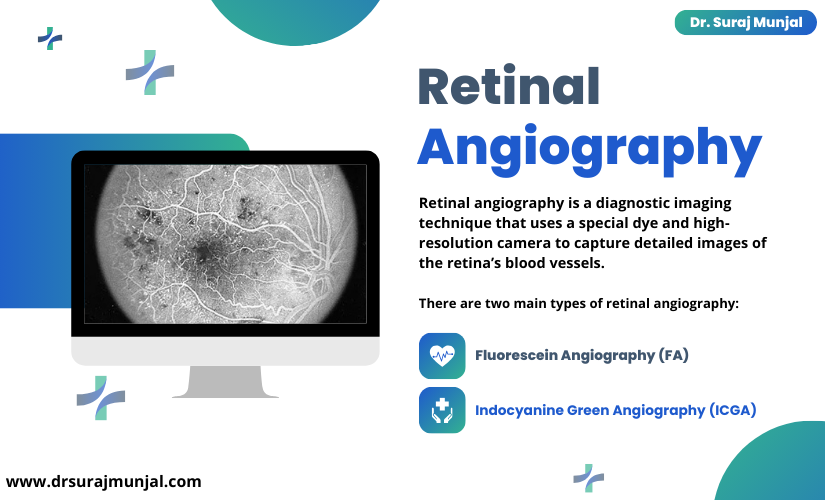
Retinal angiography is a specialized imaging test that helps eye specialists examine the tiny blood vessels at the back of your eye, particularly in the retina and choroid. This test plays a critical role in diagnosing serious vision problems such as diabetic retinopathy, age-related macular degeneration (AMD), and retinal vein blockages.
Suppose you're an international patient considering this procedure. In that case, the good news is that the cost of retinal angiography in India is significantly lower than in most Western countries, with prices ranging from ₹2,500 to ₹15,000, which is about $30 to $180, depending on the type of angiography and the hospital. Despite the affordability, Indian eye centers maintain global standards in terms of accuracy, equipment, and safety.
Table of Contents
What is Retinal Angiography?
Retinal angiography is a diagnostic imaging technique that uses a special dye and high-resolution camera to capture detailed images of the retina’s blood vessels. It allows ophthalmologists to detect blockages, leakages, abnormal blood vessel growth, and other signs of retinal disease.
There are two main types of retinal angiography:
- Fluorescein Angiography (FA): This method involves injecting a fluorescent dye into the bloodstream and taking rapid-sequence photographs as the dye travels through the retinal blood vessels. It’s primarily used to detect leaks, swelling, or abnormal vessels in the retina.
- Indocyanine Green Angiography (ICGA): This technique uses a green dye that provides deeper imaging, particularly helpful in diagnosing choroidal (deeper layer) conditions such as polypoidal choroidal vasculopathy or occult macular degeneration.
Both types are non-surgical, outpatient procedures that usually take less than 30 minutes and do not require sedation. The test is crucial for planning advanced treatments like laser therapy, anti-VEGF injections, or retinal surgeries.
What Conditions are Diagnosed with Retinal Angiography?
Retinal angiography helps detect a wide range of vision-threatening conditions. It gives a precise view of blood vessels and helps eye specialists identify even subtle abnormalities early. Doctors use this test to diagnose:
- Diabetic Retinopathy: Retinal angiography reveals leaking capillaries, microaneurysms, and areas with poor blood supply in diabetic patients. It helps guide timely treatment to prevent vision loss.
- Age-Related Macular Degeneration (AMD): The test shows abnormal blood vessel growth under the retina. It helps distinguish between dry and wet forms of AMD and tracks disease progression.
- Retinal Vein and Artery Occlusions: Angiography helps detect blockages in retinal vessels. It identifies areas of poor circulation and fluid leakage caused by central or branch vein occlusion.
- Central Serous Retinopathy (CSR): This scan detects abnormal fluid accumulation under the retina. It helps doctors assess the exact source of leakage and decide on the need for laser treatment.
- Retinal Tumors or Inflammatory Conditions: In rare cases, doctors use angiography to study blood flow patterns in retinal tumors or inflammatory diseases like uveitis.
Each of these conditions requires a clear picture of the retinal circulation. This test provides that clarity, ensuring accurate diagnosis and timely intervention.
Who Needs Retinal Angiography?
Doctors recommend retinal angiography when they suspect damage to the retinal blood vessels. If you're experiencing vision issues that don’t improve with glasses or lenses, this test often becomes necessary. You may need retinal angiography if you:
- Notice unexplained vision loss. Sudden or gradual blurring, blind spots, or dark areas in your visual field often prompt doctors to check for leaking or blocked vessels.
- Live with diabetes or hypertension: These conditions can silently damage the retina. Angiography helps detect early signs before symptoms appear.
- Have age-related eye changes: If you are over 50 and notice distortion or waviness in your vision, angiography helps confirm conditions like AMD or macular edema.
- Undergo retinal treatments: If you're scheduled for laser photocoagulation or anti-VEGF injections, angiography is used to plan the treatment accurately.
- Show abnormal results in other eye tests: If an OCT or fundus exam suggests fluid accumulation, bleeding, or vessel growth, doctors use angiography to get a closer view.
Doctors decide on this test after a clinical evaluation. It’s safe, quick, and instrumental in determining the right course of treatment.
How is Retinal Angiography Done?
Retinal angiography is a quick and straightforward outpatient procedure. It usually takes around 15 to 30 minutes from start to finish.
- The process begins with your pupils being dilated using eye drops. Once your eyes are fully dilated, the doctor inserts a small needle into a vein in your arm.
- A contrast dye (either fluorescein or indocyanine green) is then injected into your bloodstream. As the dye travels to the blood vessels in your eyes, a specialized camera captures a series of high-resolution images.
- You will sit comfortably and place your chin on a rest in front of the imaging machine.
- The camera takes several photographs in rapid succession. These images help map out any leaks, blockages, or abnormal vessels.
- You may notice a temporary yellow tint to your skin or urine if fluorescein is used. It fades within 24-48 hours.
- Most patients experience no discomfort, although a few might feel mild nausea or warmth during the injection.
- After the procedure, your doctor reviews the images and explains the findings.
- You can usually resume your routine right after the test, but you should avoid driving until your pupils return to standard size, which may take a few hours.
What is the Cost of Retinal Angiography in India?
The cost of retinal angiography in India depends on the type of test performed, the facility you choose, and the city you're in. On average, fluorescein angiography costs between ₹2,500 and ₹7,500 ($30 – $90), while indocyanine green angiography (ICGA) is priced between ₹8,000 and ₹15,000 ($100 – $180).
Private eye hospitals with advanced imaging machines may charge on the higher side, especially if the procedure is bundled with additional scans or specialist consultations.
|
Type of Angiography |
Cost in INR |
Cost in USD |
|
Fluorescein Angiography (FA) |
₹2,500 – ₹7,500 |
$30 – $90 |
|
Indocyanine Green Angiography |
₹8,000 – ₹15,000 |
$100 – $180 |
These costs usually include the dye, use of diagnostic equipment, and image interpretation by an eye specialist. However, pre-procedure consultations or additional diagnostic tests may be charged separately.
Detailed Cost Breakdown
The total cost of retinal angiography includes multiple components, not just the scan itself. Each part contributes to the final bill.
- Consultation Fee: Before the angiography, you will meet with an ophthalmologist. This consultation usually costs between ₹500 and ₹1,500 ($6 – $18). It involves reviewing your symptoms, past medical history, and deciding whether angiography is needed.
- Diagnostic Charges: Some clinics perform a basic eye examination or an Optical Coherence Tomography (OCT) scan before the angiography to better understand your retinal condition. These optional tests may add ₹1,000 – ₹3,000 ($12 – $35) to your bill.
- Procedure Fee (Angiography): This includes the cost of the dye, use of high-speed retinal cameras, and professional charges for performing and interpreting the scan.
- Fluorescein Angiography: ₹2,500 – ₹7,500
- Indocyanine Green Angiography: ₹8,000 – ₹15,000
- Reporting and Image Interpretation: After the scan, a retina specialist studies the images and provides a detailed report. While this is often included in the procedure fee, some hospitals charge a separate amount of ₹500 – ₹1,000 ($6 – $12).
- Post-Procedure Medications (if required): If you experience mild allergic symptoms or require eye drops post-scan, the cost may range from ₹200 – ₹500 ($2 – $6).
Always check with your hospital if any bundled diagnostic packages are available. Some facilities offer reduced rates if multiple scans are done together.
Retinal Angiography Cost Comparison by Country
International patients often choose India for retinal angiography, not just for the quality, but also because of the massive cost difference. While the diagnostic standards remain high, the expenses are far more affordable.
|
Country |
Approximate Cost (in USD) |
|
India |
$30 – $180 |
|
United States |
$400 – $1,200 |
|
United Kingdom |
$350 – $1,000 |
|
Canada |
$300 – $800 |
|
Australia |
$350 – $900 |
|
UAE |
$250 – $700 |
In countries like the USA and UK, the cost includes higher consultation fees, administrative charges, and insurance processing. In contrast, Indian hospitals offer direct, transparent pricing that provides for consultation, imaging, and interpretation, often in a same-day visit.
By traveling to India, patients save up to 70–80% on diagnostic costs while receiving the same level of diagnostic clarity.
What are the Factors Affecting Retinal Angiography Cost in India?
The cost of retinal angiography can vary widely across hospitals and cities. Several factors influence the final price a patient pays, especially for those traveling from abroad.
- Type of Angiography Performed: Fluorescein angiography is less expensive compared to indocyanine green angiography. ICGA uses a costlier dye and deeper imaging equipment, which increases the overall expense.
- Technology and Equipment Used: Hospitals with newer-generation digital retinal cameras and high-speed imaging tools may charge more. These machines offer sharper images and faster scans, improving diagnostic accuracy.
- Experience of the Specialist: Highly experienced retinal surgeons and ophthalmologists often work at premium hospitals. Their consultation and procedure interpretation fees may be slightly higher due to their expertise.
- Location of the Hospital: Hospitals in metro cities like Delhi, Mumbai, Bangalore, and Chennai generally have higher pricing than those in smaller towns. It reflects differences in operational costs and demand for specialized care.
- Hospital Type and Accreditation: NABH- or JCI-accredited hospitals may charge more because they follow international quality standards. In return, patients receive better hygiene, comfort, and clinical protocols.
- Add-on Diagnostic Tests: Sometimes, your doctor may recommend additional procedures like OCT, fundus photography, or lab tests to support the diagnosis. These optional tests raise the total cost.
- Outpatient or Package Inclusions: Some hospitals offer diagnostic packages that include consultation, angiography, reporting, and follow-up at a bundled rate. Others charge for each service separately.
- Comorbid Conditions: If you have diabetes, hypertension, or kidney-related concerns, you may need extra lab tests or pre-clearance before dye injection. These medical requirements can increase the total cost.
Why is Retinal Angiography More Affordable in India?
India offers advanced retinal diagnostics at a fraction of the global cost. Despite using high-end equipment and expert specialists, the total price remains significantly lower than in countries like the USA, UK, or Australia.
- Lower Operating Costs: Indian hospitals spend less on infrastructure and staffing compared to Western institutions. These savings are passed on to the patient, without compromising quality.
- High Patient Volume: Ophthalmic centers in India handle thousands of cases every year. This high volume allows them to reduce per-patient costs while maintaining efficiency and precision.
- Government-Backed Healthcare Policies: Policies that support local pharmaceutical production and medical technology contribute to reduced diagnostic costs. Hospitals don’t need to import expensive materials or equipment, keeping pricing within reach.
- Skilled Workforce at Competitive Rates: India produces some of the world’s best-trained ophthalmologists and technicians. Their services cost less than in countries with similar levels of clinical expertise.
- Efficient Use of Resources: Indian hospitals optimize every aspect of the patient journey, from booking to reporting. This streamlined approach eliminates unnecessary expenses and shortens waiting times.
- Diagnostic Packages and Bundled Pricing: Many Indian hospitals offer pre-defined packages that include consultation, imaging, and interpretation. This bundled structure simplifies billing and keeps the total cost predictable.
Together, these advantages make India a leading destination for affordable, world-class eye diagnostics, including retinal angiography.
International Patient Services in India
India offers a seamless and patient-friendly experience for individuals traveling from abroad for retinal angiography. The focus isn’t just on diagnosis—it’s on comfort, speed, and complete support throughout your journey.
- Fast Appointment Scheduling: International patients can pre-book appointments online, often within 24-48 hours. Top hospitals prioritize short-stay diagnostic visits so you can plan your travel with confidence.
- Dedicated Patient Coordinators: You will have access to English-speaking coordinators who guide you through every step—registration, consultation, testing, and follow-up. It minimizes wait times and confusion.
- Visa and Travel Assistance: Most hospitals provide visa invitation letters and help with documentation. Airport pick-up and drop-off services are also available on request.
- Affordable Accommodation Nearby: Many eye hospitals are located near budget-friendly hotels or guesthouses. Some even offer in-house lodging for international patients and their families.
- Interpreter Support: Translation services are available for Arabic, French, Russian, Bengali, and several African and Asian languages. It ensures that nothing is lost in communication during your consultation or diagnosis.
- Transparent Billing and Payment Options: Hospitals offer upfront quotes. Payments can be made through international credit cards, bank transfers, or cash, with support for multiple currencies.
- Post-Diagnosis Guidance: Even after your test, doctors provide a detailed report, explain the findings, and advise next steps.
What are the Benefits and Importance of Retinal Angiography?
Retinal angiography plays a crucial role in diagnosing eye diseases that often go unnoticed in routine check-ups. It reveals what other scans can’t—real-time blood flow and vessel leakage inside the eye.
- The most significant advantage is accuracy. This test captures detailed images of your retinal vessels, showing even the smallest leaks or blockages. It helps doctors detect problems early—often before you notice symptoms.
- Retinal angiography also guides treatment. Whether you're undergoing laser therapy, injections, or surgery, this scan shows where to focus care. It’s essential for managing diabetic retinopathy, AMD, and macular edema.
- The procedure is non-surgical, fast, and minimally invasive. Most patients finish the test within 30 minutes and return home the same day. There’s no long recovery or hospital stay.
- Doctors rely on this scan to monitor disease progression. If you’re already receiving treatment, it helps track whether your condition is improving or requires a change in plan.
What is the Success Rate and Accuracy of Retinal Angiography?
Retinal angiography is one of the most accurate imaging tools available for retinal disease diagnosis. Its success lies in its ability to capture even the most minor changes in the retinal and choroidal blood vessels.
For diabetic retinopathy and AMD, the test offers over 90% diagnostic accuracy. It clearly shows fluid leaks, blocked capillaries, and abnormal vessel growth. These findings help doctors make confident treatment decisions without delay.
The clarity of images from fluorescein angiography helps target laser treatments with precision. Similarly, indocyanine green angiography allows better visualization of deeper tissues, especially useful in detecting hidden choroidal abnormalities.
The procedure delivers consistent results across different patients and conditions. That’s why specialists trust it to track disease progression or evaluate the effectiveness of treatment.
In experienced hands and with modern imaging systems, retinal angiography rarely fails. The test provides the crucial information needed to protect vision and guide timely care.
Testimonials from International Patients
“Accurate diagnosis in just one day.”
— Fatima S., Kenya
“I traveled to Delhi after my local doctor suspected a retinal issue. At the Sight Avenue Hospital, I got a fluorescein angiography the same day. The scan was quick, painless, and very clear. The doctor explained everything in detail and gave me a report to carry home. I saved both time and money. Truly impressed.”
“Professional care at a very affordable price.”
— Ahmed R., Iraq
“I needed ICGA for a rare eye condition. Hospitals in my country either didn’t have the test or charged too much. In India, I found a retina specialist who performed the test, interpreted the result, and recommended a treatment plan. The total cost was one-fourth of what I would’ve paid back home.”
“Warm people, advanced technology.”
— Nora A., UAE
“I was anxious about traveling for an eye test, but the hospital team in Mumbai made it easy. They arranged my appointment, picked me up from the airport, and helped with everything. The machines were modern, and the care was truly personal. I felt safe and well taken care of.”
Frequently Asked Questions
The cost ranges between ₹2,500 and ₹15,000 ($30 to $180), depending on whether fluorescein or indocyanine green dye is used. It typically includes imaging, dye charges, and the doctor's interpretation.
Yes. Fluorescein angiography (FA) is less expensive, typically ₹2,500–₹7,500, while ICGA costs more (₹8,000 - ₹15,000) due to deeper imaging and a costlier dye.
Not always. Some hospitals bundle the consultation, scan, and report in one package. Others charge separately. Always check in advance to avoid hidden costs.
Indian hospitals often accept international insurance for inpatient care, but diagnostic procedures like angiography may need upfront payment. You can request detailed invoices for reimbursement in your home country.
You can pay using international debit/credit cards, wire transfers, or cash in accepted currencies. Hospitals also issue official receipts for all payments.
Most patients complete the scan and receive the report on the same day. A short 2-day stay is usually sufficient if no other procedures are required.
Only if extra diagnostic tools like OCT or blood tests are needed. These are optional and discussed during your consultation.
Yes. Major cities like Delhi, Mumbai, Bangalore, and Chennai have advanced eye hospitals offering both FA and ICGA. Smaller towns may offer only basic retinal scans.
Yes. Most centers offer complete retinal evaluation packages. Combining tests like OCT, fundus photography, and angiography often lowers the overall cost.
No. It is a minimally invasive, outpatient procedure. Risks are rare and usually limited to mild nausea or temporary dye discoloration.
