Photorefractive keratectomy (PRK) Surgery Cost in India
If you're considering laser vision correction but have been told that LASIK isn't ideal for you, photorefractive keratectomy (PRK) may be a suitable alternative. PRK is one of the safest and most effective laser eye surgeries available, particularly for patients with thin corneas or those with active lifestyles. It eliminates the need for glasses or contact lenses by reshaping the cornea to improve how light enters your eye.
India has become a leading destination for laser eye surgery thanks to its highly skilled surgeons, advanced laser platforms, and transparent pricing. PRK surgery in India offers world-class care at a fraction of the cost, ranging from $500 to $1,000 per eye, depending on the hospital, technology, and the surgeon's expertise.
Table of Contents
What is Photorefractive Keratectomy?
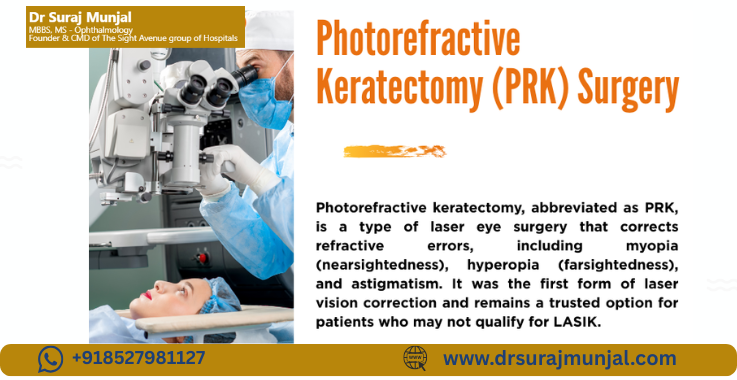
Photorefractive keratectomy, abbreviated as PRK, is a type of laser eye surgery that corrects refractive errors, including myopia (nearsightedness), hyperopia (farsightedness), and astigmatism. It was the first form of laser vision correction and remains a trusted option for patients who may not qualify for LASIK.
In PRK, the surgeon removes the thin outer layer of the cornea (epithelium) before using an excimer laser to reshape the corneal tissue. This adjustment helps the eye focus light correctly onto the retina, leading to improved vision.
After the procedure, the epithelium naturally regenerates over several days. While the healing process is slower than LASIK, PRK is considered equally effective in the long term and carries fewer risks of flap-related complications.
Conditions PRK can treat include:
- Nearsightedness (Myopia) – Difficulty seeing distant objects
- Farsightedness (Hyperopia) – Difficulty seeing up-close objects
- Astigmatism – Blurred vision caused by an irregular cornea shape
PRK is suitable for individuals with chronic dry eyes, thin corneas, or those with active professions such as athletes, soldiers, or manual laborers, where the risk of flap dislocation in LASIK could be a concern.
Who is an Ideal Candidate for PRK?
PRK is an effective and safe option for patients with refractive errors who may not be eligible for LASIK or prefer a procedure that does not involve creating a corneal flap. Ophthalmologists evaluate several factors before recommending PRK, ensuring that the patient will benefit both medically and visually from the procedure.
You may be a good candidate for PRK if you:
- Have thin corneas that are not suitable for creating a LASIK flap.
- Suffer from chronic dry eyes, making LASIK less favorable.
- Lead an active lifestyle or have a high-risk profession (such as athletes or military personnel), where flap injuries are more likely to occur.
- Are 18 years or older with steady vision for at least 12 months.
- Do not have corneal diseases like keratoconus or severe scarring.
- Have realistic expectations about recovery time and visual outcomes.
Who may not be suitable for PRK?
- Individuals with autoimmune disorders or uncontrolled diabetes.
- Patients with severe dry eye syndrome often do not respond to treatment.
- Those with active eye infections or herpes simplex eye disease.
- Pregnant or breastfeeding women.
Before confirming your eligibility, your eye surgeon will perform detailed tests, including corneal topography, pachymetry (a measurement of corneal thickness), pupil analysis, and a comprehensive eye health assessment.
How is PRK Surgery Performed?
PRK is a precise, bladeless laser procedure that reshapes the cornea to correct refractive errors. Although it's a surface-based technique, it delivers outcomes comparable to LASIK, with fewer risks for certain patients. The entire PRK procedure takes ~15 minutes per eye and is done under topical anesthesia.
Step-by-Step Overview of the PRK Procedure
- Numbing the Eye: The surgeon begins by administering anesthetic eye drops to numb the eye. It ensures that you feel no pain during the procedure.
- Removing the Epithelium: Using a soft brush, alcohol solution, or a special instrument, the surgeon gently removes the thin outer layer of the cornea (epithelium). This layer regenerates naturally during recovery.
- Laser Reshaping of the Cornea: An excimer laser (guided by a computer using your unique eye measurements) is used to reshape the corneal tissue underneath. This step corrects how light is focused onto the retina, improving your vision.
- Applying a Protective Contact Lens: Once the laser treatment is complete, the surgeon places a soft, clear contact lens over your eye to act as a bandage. It promotes healing and protects the exposed corneal surface for the next several days.
- Postoperative Care and Follow-Up: You'll rest briefly before being discharged. The surgeon will prescribe antibiotic and anti-inflammatory eye drops and schedule follow-up appointments to monitor your healing. The contact lens is usually removed 4–7 days later, once the epithelium has regrown.
How Long Does PRK Take?
- Surgery duration: 10–15 minutes per eye
- Initial recovery time: 3–7 days (blurry vision, light sensitivity)
- Full visual clarity: Gradually improves over 1–4 weeks
Although PRK has a slower recovery time than LASIK, it offers the advantage of avoiding flap-related complications and is often preferred for patients with thinner or irregular corneas.
What are the Benefits of PRK Over Other Laser Eye Surgeries?
While LASIK and SMILE are commonly known for their rapid recovery and minimal discomfort, PRK offers unique benefits, particularly for patients with specific eye conditions or unique lifestyle needs. PRK has been safely performed for over three decades and remains a trusted choice due to its precision and long-term visual stability.
- No Corneal Flap is Created: Unlike LASIK, which requires cutting a thin corneal flap, PRK treats the surface of the cornea directly. It eliminates the risk of flap-related complications, such as flap dislocation, inflammation, or epithelial ingrowth, making PRK a safer option for individuals involved in contact sports, the military, or other physically demanding professions.
- Suitable for Thin or Irregular Corneas: PRK is often recommended when a patient's cornea is too thin or irregularly shaped for LASIK. Since PRK doesn't require a flap, it preserves more corneal tissue, thereby reducing the risk of ectasia (corneal bulging) post-surgery.
- Lower Risk of Dry Eyes Post-Surgery: PRK has a reduced chance of long-term dry eye symptoms compared to LASIK, especially in individuals who already have dryness. It is because fewer corneal nerves are disrupted during surgery.
- Proven Long-Term Stability and Visual Outcomes: Multiple long-term studies have demonstrated that PRK achieves visual results comparable to those of LASIK in terms of clarity and stability. Many patients maintain 20/20 or better vision years after surgery, with very low rates of retreatment.
- Lower Chance of Night Vision Issues in Certain Cases: Patients with large pupils or high prescriptions may sometimes experience glare or halos with LASIK. PRK may be more forgiving in such scenarios due to the uniform corneal surface treatment.
- Ideal for Certain Medical Conditions: PRK may be a better option for individuals with mild corneal scars, previous eye trauma, or a history of eye infections where flap-based procedures might pose added risk.
What is the Difference Between PRK and LASIK?
Photorefractive keratectomy and LASIK are both laser vision correction procedures designed to improve eyesight by reshaping the cornea. However, the way they are performed and who they are best suited for differ significantly.
The main distinction lies in how the surgeon accesses the corneal tissue. In LASIK, the surgeon creates a thin flap in the outer layer of the cornea using a microkeratome blade or femtosecond laser. This flap is gently lifted to allow the excimer laser to reshape the inner corneal tissue. Once the laser is applied, the flap is repositioned like a natural bandage, promoting fast recovery.
In PRK, a surgeon creates a corneal flap. Instead, they gently remove the outermost layer of the cornea. The same excimer laser is then used to reshape the exposed corneal tissue. Doctors place a soft contact lens on the eye afterward to protect it while the epithelium naturally regenerates over the next few days.
Because PRK doesn't involve a flap, it is often the better option for patients with thin or irregular corneas, or those in high-contact professions such as athletes or military personnel, where flap dislocation could be a concern.
Recovery differs as well. LASIK patients typically experience clear vision within one to two days, with minimal discomfort. PRK patients, on the other hand, take longer to heal, usually a few days to a week for initial comfort and up to a month for optimal vision. Mild discomfort, light sensitivity, and blurry vision are common in the days immediately following PRK.
Dry eye symptoms are more frequent after LASIK because the corneal nerves affected by flap creation take longer to heal. PRK tends to cause fewer long-term dry eye issues, making it a safer option for those already prone to dryness.
When it comes to long-term results, both procedures offer comparable success rates, often resulting in 20/20 vision or better. The choice between PRK and LASIK ultimately depends on your eye anatomy, lifestyle, and medical history, something your ophthalmologist will help you determine through detailed testing.
What to Expect During Recovery
Recovering from PRK surgery is a gradual process, especially when compared to LASIK. While the results are equally effective, PRK requires more healing time because the surface layer of the cornea (epithelium) needs to regenerate after being removed during the procedure.
First 3–5 Days: Initial Healing Phase
In the first few days after surgery, most patients experience:
- Blurry vision and light sensitivity
- Foreign body sensation (like something is in the eye)
- Watery eyes and mild discomfort
- Difficulty reading or using screens
During this phase, your surgeon will have placed a soft contact lens to protect the eye and encourage healing. The lens usually stays in place for 4–7 days. Eye drops—both antibiotic and anti-inflammatory—will be prescribed to reduce discomfort and prevent infection.
Week 1 to Week 2: Gradual Improvement
After the protective lens is removed, your vision will still be somewhat blurry, but you'll start to notice gradual improvements. Many patients can return to work and resume light daily activities within a week, though your ophthalmologist may advise limiting screen time and avoiding bright environments.
Weeks 3 to 4: Sharpening Vision
Vision clarity continues to improve during this period. Colors may appear more vibrant, and distance vision becomes more stable. Some patients still experience occasional glare or halos around lights, especially at night, but this usually resolves as the eye adjusts.
1 to 3 Months: Full Recovery
For most patients, optimal visual clarity is achieved within 1 to 3 months. You may need temporary reading glasses or a new prescription during this phase as your eyes adjust to the change. Regular follow-up visits are crucial for monitoring healing and preventing the development of complications.
Tips for a Smoother Recovery
- Use all medications exactly as prescribed
- Avoid rubbing or touching your eyes
- Wear sunglasses outdoors to protect from UV light
- Limit swimming, makeup use, and dusty environments during the first few weeks
- Keep all follow-up appointments to monitor healing progress
What is the Cost of PRK Surgery in India?
Photorefractive keratectomy surgery in India offers an affordable and effective solution for vision correction. While the procedure is medically advanced and technology-driven, India's pricing structure ensures that the same standard of treatment available in Western countries is accessible at a fraction of the price.
The typical cost of PRK surgery in India ranges between ₹40,000 and ₹80,000 for both eyes, which is approximately $500 to $1,000. Some premium hospitals may charge slightly more if they use top-tier excimer lasers, advanced mapping systems, or offer customized treatments for complex prescriptions.
What's Usually Included in the Cost
- Preoperative consultation and diagnostic tests
- Surgeon's fee and OT charges
- Use of FDA-approved laser platforms
- Postoperative medications and protective contact lenses
- Follow-up care (typically for up to 3 visits)
Not Included (May Be Charged Separately)
- Additional tests in complex cases
- Long-term medication (beyond 1–2 weeks)
- Treatment of complications, if any (very rare)
- Travel, visa, and accommodation for international patients
Patients travelling from countries such as Bangladesh, Oman, Iran, and CIS countries can expect to save 60% to 80% on PRK surgery in India, even after factoring in flight and lodging expenses. Despite the low cost, Indian eye hospitals maintain global standards of precision and success rates, making them a popular choice for PRK patients.
PRK Surgery Cost Comparison: India vs. Other Countries
Choosing the right hospital for vision correction surgery involves more than just clinical quality. It also involves considering cost. India has emerged as a global hub for eye procedures, such as PRK, thanks to its blend of affordability, world-class care, and English-speaking medical professionals.
Here's how the cost of PRK in India compares with that in other major countries:
| Country | Approximate Cost (in USD) |
|---|---|
| India | $250 – $500 |
| United States | $2,000 – $3,500 |
| United Kingdom | $2,200 – $3,000 |
| Canada | $1,800 – $2,500 |
| Australia | $2,000 – $3,000 |
| UAE | $1,500 – $2,500 |
Note: These figures are averages and may vary depending on the hospital, surgeon, and complexity of the case.
Why is the Cost Lower in India Without Compromising the Quality of Care?
- Lower operational and labor costs compared to Western nations
- High patient volumes, which help distribute fixed hospital costs
- Competitive pricing among private hospitals and eye centers
- No hidden charges, especially for international patients, with transparent billing
Despite significantly lower pricing, India offers access to:
- Globally trained surgeons
- FDA- and CE-approved laser platforms
- Strict hygiene and sterilization protocols
- Custom treatment plans based on advanced diagnostics
For international patients, the cost difference is substantial. Even after including travel, lodging, and incidental expenses, undergoing PRK in India often proves to be 50% to 70% more affordable than undergoing the same procedure in one's home country.
Factors That Influence the Cost of PRK
The cost of PRK surgery can vary significantly depending on various clinical and logistical factors. While India is known for its cost-effectiveness, understanding these variables helps patients make informed choices and plan their budget accordingly.
- Surgeon's Experience and Reputation: Highly skilled and well-established ophthalmologists, particularly those with extensive experience and a track record of thousands of successful surgeries, may charge a premium for their services. However, their expertise results in better outcomes and fewer complications, making them a worthwhile investment.
- Technology and Equipment Used: The use of advanced laser systems such as wavefront-guided excimer lasers, topography-guided platforms, and eye-tracking technology can increase the cost. These innovations enhance the precision of corneal reshaping and may offer better visual clarity, especially in complex cases.
- Hospital or Clinic Type: Multispecialty hospitals and internationally accredited eye centers may charge more than smaller private clinics, primarily due to their superior infrastructure, stricter hygiene protocols, and comprehensive diagnostic capabilities.
- City or Geographic Location: PRK surgery in metropolitan cities like Delhi, Mumbai, Bangalore, or Chennai may cost slightly more than in smaller towns or tier-2 cities. However, major cities often provide better post-op care and access to experienced surgeons.
- Extent of Refractive Error: Patients with high prescriptions or complex refractive conditions may require more advanced treatment planning, extended laser time, or customized ablation techniques, all of which can impact pricing.
- Number of Eyes Treated: Some patients undergo PRK in one eye (monovision correction) or need retreatment for previously operated eyes. Charges for single-eye surgery are typically 50–60% of the full bilateral cost.
- Preoperative and Postoperative Services: Packages that include detailed diagnostics, extended follow-up visits, post-surgical medications, and protective lenses can vary in price depending on their level of comprehensiveness.
Why Choose India for PRK Surgery?
India has become a preferred MVT destination for international patients seeking high-quality yet affordable laser eye surgery. When it comes to PRK, patients from the UK, Australia, Africa, and the Middle East travel to India for its world-class ophthalmic care, cutting-edge technology, and globally trained surgeons.
- Expert Surgeons with International Training: India is home to highly experienced ophthalmologists, such as Dr. Suraj Munjal, who specialize in refractive surgery and have been trained at leading global institutes. Many surgeons here regularly treat international patients and are well-versed in handling complex or high-risk cases.
- Advanced Technology and Equipment: Top eye hospitals in India are equipped with the latest excimer lasers, topography-guided systems, and wavefront technology. These platforms ensure a high level of customization and accuracy, resulting in improved visual outcomes and faster healing.
- Globally Accredited Hospitals: Many Indian eye centers and multispecialty hospitals maintain NABH, JCI, or ISO certifications, which guarantee high standards of safety, hygiene, and patient care. The same surgical protocols followed in the West are also applied here.
- Significant Cost Savings: With PRK surgery costing just $500 to $1,000 for both eyes in India, international patients can save up to 70–80% compared to prices in the US, UK, or Australia, even after accounting for travel and accommodation costs.
- Personalized Care and Short Waiting Time: Unlike in many Western countries, you won't face long waiting periods in India. Most hospitals offer flexible scheduling, one-on-one consultations, and personalized treatment plans, with many patients completing diagnosis, surgery, and initial recovery within a single visit.
- Tourism and Recuperation Benefits: India also offers scenic and peaceful recovery options, from hill stations to heritage cities. Some eye centers help patients combine their medical journey with a culturally rich travel experience.
Services for International Patients
Traveling abroad for PRK surgery can feel overwhelming, but top eye hospitals and clinics in India ensure that international patients receive complete support before, during, and after their visit. These institutions streamline the process to offer a seamless, stress-free experience focused on safety, comfort, and results. The key services international patients can expect are:
- Dedicated international patient coordinators assist with appointments, travel arrangements, and local guidance, ensuring you always have a point of contact.
- Assistance with medical visa invitations and required documentation is provided to simplify travel formalities.
- Airport pickup and drop-off services are arranged to make your arrival and departure hassle-free.
- Help with nearby hotel accommodations or guesthouses is available, tailored to your budget and preferences, including options close to the hospital.
- Language interpretation services are available for patients from non-English-speaking countries to ensure clear communication throughout your treatment journey.
- Pre-arrival video consultations with the surgeon can be arranged to discuss your suitability for PRK and review existing prescriptions or test reports.
- Comprehensive diagnostic testing upon arrival ensures that your treatment plan is accurately tailored to your specific eye condition.
- Postoperative care kits and detailed recovery instructions are provided for easy at-home management after discharge.
- Scheduled follow-up appointments and virtual check-ins allow continued monitoring even after you return home.
Testimonials from International Patients
Ayesha M., Oman
"I was searching for an affordable option for PRK surgery when a friend recommended India. The experience was smooth from start to finish. The staff arranged everything, from visa support to hotel stay. Within a few days, I had the surgery and started seeing clearly without glasses. I'm pleased with the results."
Emmanuel T., Nigeria
"PRK surgery in Lagos was beyond my budget, and I had concerns about the equipment. India turned out to be the perfect alternative. The care was outstanding, and I received treatment with advanced lasers. My vision is clear now, and the price I paid was just a fraction of what I would've spent back home."
Ira A., Saudi Arabia
"Due to my thin corneas, LASIK wasn't recommended. I learned about PRK and was referred to a clinic in Delhi. The surgeon, Dr. Suraj Munjal, explained everything patiently. I felt confident in his care. Today, I enjoy perfect vision without discomfort or glasses."
Khalid R., Kenya
"I had always wanted to fix my vision, but was anxious about surgery. After speaking to the international coordinator in India, all my doubts were cleared. The process was efficient, the doctors were very reassuring, and now my vision is better than I hoped for.
Frequently Asked Questions
PRK surgery itself is painless as it's done under topical anesthesia (numbing eye drops). However, mild discomfort, burning, or a gritty feeling is common during the first 2–4 days post-surgery while the outer corneal layer heals. Doctors usually prescribe lubricating drops and pain relievers to help manage this condition.
Initial vision improvement typically begins within the first week, but it may take 3–4 weeks for your vision to fully stabilise. Some patients may require up to 3 months for complete clarity, depending on the healing process and the strength of the prescription.
Yes, PRK can effectively correct a wide range of refractive errors, including high myopia, hyperopia, and astigmatism. However, suitability depends on detailed eye evaluations such as corneal thickness and topography.
PRK is considered safer for people with thin corneas or those at risk for trauma (e.g., athletes or military personnel) since it doesn't involve flap creation. Both procedures are highly effective when done by skilled surgeons using advanced technology.
Yes, both eyes are usually treated on the same day. Recovery times may be slightly more challenging when both eyes are healing simultaneously; however, this approach minimizes the need for multiple hospital visits, which is especially beneficial for international patients.
Most patients achieve 20/20 or near-perfect vision after PRK and no longer need glasses or contacts for daily use. However, you may still need reading glasses after the age of 40 due to presbyopia, a natural part of the aging process.
Common side effects of PRK surgery include dry eyes, glare, halos around lights, and light sensitivity during the healing period. These usually resolve over time. Serious complications are rare, primarily when the procedure is performed by experienced surgeons using FDA-approved technology.
Most international patients can travel back home within 7–10 days after surgery, once the doctor removes the protective contact lens and confirms that the healing is on track.
Yes, enhancement procedures are possible in rare cases where under-correction or regression occurs. Surgeons typically wait at least 6 months before considering a second treatment.
