Intraocular Lens Cost in India
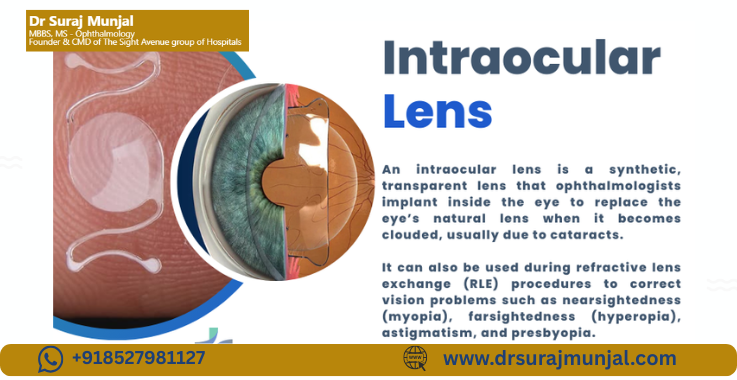
An intraocular lens (IOL) is an artificial lens surgically implanted into the eye to replace the eye’s natural lens, typically during cataract surgery or refractive lens exchange. It helps restore clear vision by correcting various conditions such as cataracts, presbyopia, and refractive errors like myopia or hyperopia. Patients experiencing blurred or clouded vision due to cataracts or significant refractive errors benefit greatly from IOL implantation, as it drastically improves visual clarity and overall quality of life.
India has emerged as one of the most preferred destinations for intraocular lens implantation because it combines high-quality healthcare facilities, advanced surgical technologies, and internationally acclaimed ophthalmologists. Each year, thousands of international patients choose India to undergo IOL surgeries, attracted by the promise of excellent treatment at significantly lower prices compared to Western countries.
The cost of intraocular lens implantation in India typically ranges from approximately ₹20,000 to ₹1,20,000 ($250 to $1,500) per eye, depending on the type of lens selected, the technology used in surgery, the surgeon’s expertise, and the standard of the hospital or clinic. Premium lenses, including multifocal, toric, or advanced accommodative lenses, generally fall at the higher end of the cost spectrum, while standard monofocal lenses are comparatively affordable.
Table of Contents
What is an Intraocular Lens (IOL)?
An intraocular lens is a synthetic, transparent lens that ophthalmologists implant inside the eye to replace the eye’s natural lens when it becomes clouded, usually due to cataracts. It can also be used during refractive lens exchange (RLE) procedures to correct vision problems such as nearsightedness (myopia), farsightedness (hyperopia), astigmatism, and presbyopia.
In a healthy eye, the natural lens focuses light onto the retina to produce a sharp image. However, when the lens becomes cloudy (as in the case of cataracts), it causes blurry, distorted, or dimmed vision. In these cases, eye surgeons remove the cloudy natural lens and replace it with an IOL, which performs the same focusing function and restores clear sight.
IOLs are usually made from flexible materials such as silicone, acrylic, or other biocompatible polymers that are safe for long-term use inside the eye. These lenses are foldable, allowing surgeons to implant them through a tiny incision using minimally invasive techniques.
Patients undergoing cataract surgery almost always receive an intraocular lens. In some cases, patients without cataracts may choose to have their natural lens replaced with an IOL as a solution for severe refractive errors or age-related near vision loss. This elective procedure is called refractive lens exchange (RLE) or clear lens extraction (CLE).
The implantation of an IOL is a highly successful procedure with a quick recovery and minimal discomfort. The lens remains in place for life and does not require any maintenance or replacement. With a wide range of lens types available, patients can now choose lenses tailored to their specific visual needs—whether they prioritize distance vision, near vision, or correction for astigmatism.
What are the Different Types of Intraocular Lenses Available in India?
In India, patients have access to a broad range of intraocular lenses that cater to different visual needs and budgets. The selection of the lens is one of the most critical decisions in cataract or refractive surgery, as it directly impacts visual outcomes after the procedure.
- Monofocal IOL: The most basic option is the monofocal IOL, which offers clear vision at a single distance, usually for far objects. These lenses do not correct near or intermediate vision, so patients often need reading glasses after surgery. Monofocal lenses are the most affordable and widely used, especially in government or insurance-covered procedures.
- Multifocal IOL: For patients who want to reduce or eliminate the need for glasses, multifocal IOLs are a popular upgrade. These lenses provide multiple focal points, allowing the eye to focus on both near and distant objects. However, some patients may experience halos or glare in low-light conditions, which the brain usually adapts to over time.
- Toric IOL: Toric IOLs are designed for people with corneal astigmatism. Unlike standard lenses, toric IOLs have different powers in specific meridians to correct the uneven curvature of the cornea. It reduces the need for glasses or contact lenses after surgery, especially for distance vision.
- Accommodative IOL: Another advanced option is the accommodative IOL, which moves slightly inside the eye in response to muscle movements, mimicking the eye’s natural focusing ability. These lenses can improve both distance and intermediate vision, though near vision results may vary.
- Extended Depth of Focus IOL: Extended Depth of Focus (EDOF) IOLs represent the latest innovation. These lenses offer a continuous range of vision from distance to intermediate and reduce the visual disturbances associated with multifocal lenses. They are ideal for patients who want good functional vision without the sharp vision transitions of multifocals.
Patients in India can choose between standard IOLs and premium IOLs, with premium lenses offering greater visual freedom and fewer dependencies on glasses. However, premium options come at a higher cost, which is why patients should weigh the benefits against their lifestyle needs and budget before making a decision.
What is the Cost of an Intraocular Lens in India?
The cost of intraocular lens implantation in India depends mainly on the type of lens selected, the surgical technique used, the hospital's reputation, and the surgeon’s experience. Patients can choose between standard and premium lenses, which leads to a wide variation in total cost.
In India, the cost of IOL surgery ranges from ₹20,000 to ₹1,20,000 ($250 to $1,500) per eye. Standard monofocal lenses typically fall at the lower end, while advanced options like multifocal, toric, accommodative, or EDOF lenses cost more. The price also changes depending on the city, hospital, and additional services included in the treatment.
|
Component |
Estimated Cost (INR) |
Estimated Cost (USD) |
|
Surgeon’s Fees |
₹10,000 – ₹30,000 |
$120 – $360 |
|
IOL Implant (Monofocal) |
₹5,000 – ₹15,000 |
$60 – $180 |
|
IOL Implant (Premium Lenses) |
₹25,000 – ₹70,000 |
$300 – $850 |
|
Operation Theatre & Equipment |
₹3,000 – ₹10,000 |
$36 – $120 |
|
Pre-surgery Tests & Consultation |
₹2,000 – ₹5,000 |
$24 – $60 |
|
Post-surgery Medication & Follow-up |
₹2,000 – ₹5,000 |
$24 – $60 |
|
Total (Standard Lens) |
₹20,000 – ₹40,000 |
$250 – $500 |
|
Total (Premium Lens) |
₹60,000 – ₹1,20,000 |
$720 – $1,500 |
The final cost usually includes pre-operative diagnostics like slit-lamp examination, keratometry, optical biometry, and blood work. It also covers the surgery, lens, anesthesia, recovery room use, and a set of follow-up consultations. Some hospitals offer IOL packages that bundle all services together for convenience.
Patients should ask about what’s included in the quoted price. Some low-cost options may not cover advanced tests, branded lenses, or post-op care. Reputed eye centers and internationally accredited hospitals usually offer all-inclusive packages that ensure transparency and safety.
Cost Comparison: India vs. Other Countries
When comparing the cost of intraocular lens surgery across different countries, India clearly stands out as one of the most cost-effective destinations. The same procedure that can cost thousands of dollars in Western nations is available in India at a significantly reduced rate, without sacrificing quality or safety.
|
Country |
Approximate Cost (per eye) |
|
India |
$250 – $1,500 |
|
United States |
$3,000 – $5,000 |
|
United Kingdom |
$2,500 – $4,000 |
|
Australia |
$2,500 – $4,500 |
|
Canada |
$2,000 – $3,500 |
|
UAE |
$2,000 – $4,000 |
|
Thailand |
$1,500 – $2,800 |
In India, standard monofocal IOL surgeries start as low as $250 per eye, and premium lenses with advanced technologies cost up to $1,500. In contrast, the same premium lenses can cost over $4,000 in countries like the U.S. or the U.K.
Patients also save on associated expenses. Hospital stays, pre-operative tests, consultations, and medications are more affordable in India. Moreover, the availability of bundled packages means international patients can receive comprehensive treatment at a predictable and transparent cost.
What are the Factors Affecting the Cost of Intraocular Lens in India?
Several essential factors directly influence the cost of intraocular lens surgery in India. Knowing these will help patients make informed decisions and avoid unexpected expenses.
- The type of lens plays the biggest role in cost variation. Standard monofocal lenses are the most affordable, but they offer vision correction at only one distance. Premium lenses (such as multifocal, toric, accommodative, or EDOF lenses) are more expensive due to their design, technology, and enhanced visual outcomes.
- The surgical technique also affects pricing. Traditional phacoemulsification is cost-effective, but if the procedure is done using femtosecond laser-assisted technology (FLACS), the cost increases due to the advanced equipment and precision required.
- The experience of the surgeon is another key factor. Highly skilled ophthalmologists with international training or years of specialized expertise often charge more. However, their proficiency reduces the risk of complications and improves the outcome, making it a worthwhile investment for many patients.
- The hospital or clinic category influences pricing as well. A multispecialty hospital with JCI or NABH accreditation charges more than a smaller local clinic. These hospitals offer better infrastructure, advanced diagnostic tools, and stringent safety protocols, especially valuable for international patients.
- The brand and origin of the lens also matter. Indian-made lenses are budget-friendly, whereas imported lenses from companies like Alcon, Johnson & Johnson, or Zeiss cost significantly more. Imported premium lenses offer more precision and long-term clarity, which explains their higher price.
- City-wise variation in medical costs is common in India. For example, surgery costs in metro cities like Delhi, Mumbai, and Bangalore are typically higher than in smaller cities or towns due to higher operating costs and patient volume.
- Patient-specific factors also play a role. If a patient has pre-existing eye conditions, high astigmatism, or other systemic health issues like diabetes, additional monitoring, medications, or specialized care may be required, increasing the overall expense.
- Room selection (whether opting for a private room, deluxe suite, or day-care facility) can also influence the total bill. Some patients choose to stay longer for observation or comfort, which may not be included in a standard surgical package.
Every patient has a different visual goal and medical condition. These factors, combined with personal preferences and surgical recommendations, collectively determine the final cost of intraocular lens surgery in India.
Why India is an Affordable Destination for IOL Surgery
India has become a preferred destination for intraocular lens implantation because it offers advanced medical care at prices significantly lower than those in Western countries. Patients can access high-quality treatment without compromising on safety, technology, or clinical outcomes.
- One primary reason India is more affordable is the lower cost of living. Hospitals in India can offer world-class services, including cutting-edge surgical technologies and premium intraocular lenses, at a fraction of the fee charged in the US, UK, or Australia. This price difference exists not because of lower quality, but because of reduced operational costs.
- Another advantage lies in India’s highly skilled ophthalmologists. Many surgeons in India are trained at leading global institutions and have years of experience performing cataract and refractive surgeries. Their expertise ensures safe procedures and excellent results, often matching international standards.
- India’s eye hospitals and centers are equipped with modern tools like femtosecond lasers, optical coherence tomography (OCT), and advanced biometry systems. These technologies are the same as those used in the West, yet the cost of surgery remains much lower. It allows patients to benefit from advanced precision without the high price tag.
- Customized care packages also make India more appealing. Patients receive all-inclusive services that cover consultations, lens implants, surgery, medications, and follow-ups. Many hospitals even include local transport, interpreters, and travel support in their packages for international patients.
- Most importantly, patients enjoy short waiting periods. In contrast to the long queues often faced in public healthcare systems abroad, Indian hospitals are efficient and responsive. Patients can schedule and undergo surgery within days of arrival, saving both time and money.
When you compare quality, price, and patient satisfaction, India stands out as a value-for-money destination for intraocular lens procedures. For patients seeking trusted care at a fair price, India delivers results without compromise.
What are the International Patient Services Available in India?
India provides a comprehensive ecosystem to support international patients who travel for intraocular lens (IOL) surgery. From the moment patients express interest to the completion of post-operative care, dedicated teams ensure a smooth and stress-free medical journey.
- Hospitals across major cities like Delhi, Mumbai, Chennai, and Bangalore offer dedicated international patient departments. These teams help with everything, right from selecting the right hospital and doctor to organizing medical appointments and ensuring treatment plans align with the patient's needs and travel schedules.
- Visa assistance is one of the first steps provided. Once a patient decides to come for surgery, hospitals issue medical invitation letters that help with quick visa approvals. This process is streamlined and supported by coordinators who communicate directly with the embassy if needed.
- Upon arrival in India, most top hospitals arrange airport pick-up and drop-off services. Patients don’t need to worry about navigating unfamiliar cities. A hospital representative greets them at the airport and escorts them to their accommodation or hospital facility.
- Language is not a barrier, thanks to trained medical interpreters and multilingual staff. Patients from the Middle East, Africa, Central Asia, and Southeast Asia can easily communicate in their native language during consultations and post-op care.
- Accommodation is also taken care of. Patients can choose from a wide range of options (from guesthouses to star-rated hotels) depending on their comfort and budget. Some hospitals even provide in-house international lounges or suites designed specifically for foreign patients.
- Hospitals in India also assign a dedicated patient relationship manager who stays in touch throughout the journey. This person manages appointments, medication pickup, travel coordination, and follow-up schedules.
- Most importantly, all medical records, prescriptions, and discharge summaries are documented in English and are shared digitally, allowing patients to consult with doctors back home if needed.
Overall, India not only provides cost-effective IOL surgery but also ensures that international patients feel supported, safe, and confident every step of the way.
What is the Success Rate of IOL Implantation in India?
Intraocular lens (IOL) surgery in India enjoys a high success rate, thanks to the country’s advanced ophthalmic technology, skilled surgeons, and strict adherence to international safety protocols. Most patients who undergo cataract or refractive lens surgery regain excellent vision, with minimal complications and a short recovery time.
The average success rate for standard IOL implantation in India ranges from 97% to 99%, particularly when performed by experienced ophthalmologists in top-tier hospitals. Complications like infection, lens dislocation, or residual refractive error are rare, and when they do occur, they are usually managed quickly and effectively.
Premium lenses such as multifocal, toric, or EDOF IOLs also yield very high satisfaction rates. Many patients report dramatic improvements in both distance and near vision, often without the need for glasses. While some may take a few days or weeks to adjust to new visual patterns, especially with multifocal lenses, long-term outcomes are overwhelmingly positive.
Real Patient Experience
Mrs. Alice Nyambura – Kenya
"I travelled from Nairobi to Delhi for cataract surgery in both eyes. The care I received was beyond my expectations. The hospital provided airport pickup, translators, and all necessary arrangements. I had multifocal lenses implanted, and now I can read and drive without glasses. The surgeon explained everything clearly and made me feel safe. I’m truly grateful."
Mr. Abdul Rehman – UAE
"The cost of IOL surgery in my country was too high. A friend recommended a hospital in India. I had toric lenses inserted to correct my astigmatism. It’s been three months, and my vision is sharp. From hotel booking to post-op checkups, the hospital team handled everything professionally."
Frequently Asked Questions
The cost ranges from ₹20,000 to ₹1,20,000 ($250 to $1,500) per eye. Standard monofocal lenses fall on the lower end, while premium lenses like multifocal, toric, or EDOF cost more.
Many hospitals in India offer all-inclusive IOL surgery packages. These typically cover consultation, pre-operative tests, the surgical procedure, the lens itself, medications, and follow-up visits. However, patients should confirm what's included before booking.
Premium lenses provide advanced visual correction for both near and far distances, and some also correct astigmatism. They use specialized designs and imported materials, which increases their price. They also reduce or eliminate the need for glasses.
No. IOL surgery is usually a day-care procedure. Patients can go home the same day after a short observation period. International patients may be advised to stay nearby for 2–3 days for post-op review.
Yes. Your ophthalmologist will suggest the best options based on your eye condition, lifestyle, and budget. You’ll have the final say after discussing the benefits and limitations of each type.
IOLs are made from biocompatible materials and are designed to last a lifetime. Once implanted, they do not require replacement unless complications arise, which is rare.
Yes. With proper pre-operative evaluation and medical management, patients with diabetes or age-related conditions can safely undergo IOL surgery. Surgeons in India handle complex cases regularly.
Most patients experience clear vision within 24–48 hours, though complete stabilization can take a few weeks. Eye drops and follow-ups are essential during recovery to prevent infection and inflammation.
Some international and Indian insurance plans may partially cover cataract surgery with standard lenses. Premium lens upgrades or elective refractive lens exchange (RLE) are usually not covered unless medically indicated.
