Combined Cataract and Glaucoma Surgery Cost in India
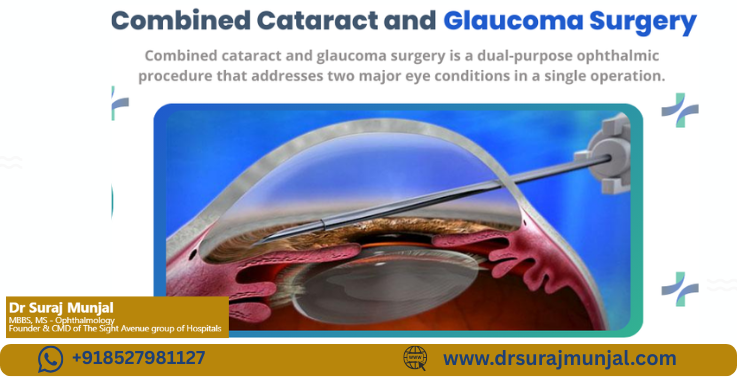
Combined cataract and glaucoma surgery is a specialized procedure that treats both vision loss from cataracts and high eye pressure from glaucoma in one sitting. It offers a practical and effective solution for patients suffering from both conditions, especially the elderly.
In India, the cost of combined cataract and glaucoma surgery ranges from ₹85,000 to ₹2,10,000, depending on the hospital, lens type, and the glaucoma procedure used. This is approximately $1,000 to $2,500, making India a highly cost-effective destination for international patients without compromising on surgical quality or safety.
Table of Contents
What Is Combined Cataract and Glaucoma Surgery?
Combined cataract and glaucoma surgery is a dual-purpose ophthalmic procedure that addresses two major eye conditions in a single operation: cataracts, which cloud the natural lens of the eye and impair vision, and glaucoma, which damages the optic nerve due to increased intraocular pressure (IOP). The combined approach is often recommended for patients who are affected by both conditions simultaneously, especially when the glaucoma is not well-controlled with medications alone or if cataract progression is affecting daily life.
In this surgery, the ophthalmologist removes the cataract-affected lens and replaces it with an artificial intraocular lens (IOL). At the same time, a glaucoma procedure (most commonly trabeculectomy, glaucoma drainage device implantation, or minimally invasive glaucoma surgery) is performed to reduce IOP and preserve optic nerve function.
Performing both procedures together offers several benefits. It minimizes the need for two separate surgeries, reduces recovery time, and is cost-effective for patients. Additionally, it provides better IOP control postoperatively compared to cataract surgery alone in glaucoma patients.
The combination is especially advantageous for:
- Patients with moderate to advanced glaucoma requiring surgical intervention
- Individuals who have cataract-induced vision loss and are already on anti-glaucoma medications
- Elderly patients or those at higher surgical risk who would benefit from a single anesthesia session
When Is This Dual Surgery Recommended?
Combined cataract and glaucoma surgery is recommended when a patient is diagnosed with both cataract and glaucoma that require surgical intervention. It is particularly suitable when managing one condition that may worsen the other, making it more efficient to address both in a single procedure.
Doctors typically advise this dual surgery in the following scenarios:
- When glaucoma is not well-controlled with medications: If eye pressure remains high despite using multiple eye drops, surgery becomes necessary. If the patient also has a visually significant cataract, combining the procedures avoids two separate operations.
- When cataract is interfering with daily vision: Cataracts can worsen the visual field already compromised by glaucoma. Removing the cataract improves vision and allows better monitoring of glaucoma progression.
- When glaucoma surgery alone may accelerate cataract development: Traditional glaucoma surgeries like trabeculectomy can speed up cataract formation. Performing both surgeries together eliminates the risk of needing a second surgery shortly after.
- In elderly or high-risk patients: For older patients or those with systemic conditions like diabetes or hypertension, combining both surgeries reduces overall anesthesia exposure and hospitalization time.
- In patients with narrow angles or angle-closure glaucoma: These patients often benefit from lens removal to deepen the anterior chamber and reduce intraocular pressure while simultaneously undergoing glaucoma surgery.
How Is the Combined Procedure Performed?
Doctors perform combined cataract and glaucoma surgery in a single surgical session under local or topical anesthesia. The procedure starts with cataract removal, followed immediately by a glaucoma surgery to lower intraocular pressure.
First, the surgeon makes a small incision at the edge of the cornea. Using a technique called phacoemulsification, they break the cloudy lens into tiny pieces and suction it out. Once removed, the surgeon inserts an intraocular lens to restore clear vision.
Next, the surgeon addresses the glaucoma. Depending on the type and severity, they may perform:
- A trabeculectomy, where they create a tiny drainage flap to help excess fluid leave the eye.
- Implantation of a glaucoma drainage device (like a valve or tube) to regulate fluid flow.
- A minimally invasive glaucoma surgery (MIGS), such as iStent or Trabectome, which uses tiny devices to improve outflow with less tissue disruption.
The surgeon carefully balances both procedures to maintain proper eye pressure and avoid post-op complications. After completing the surgery, they close the incisions with fine sutures or self-sealing techniques.
Patients typically rest for a few hours in recovery before discharge. Doctors prescribe medicated eye drops to manage inflammation, prevent infection, and control eye pressure.
What are the Types of Combined Surgery Options Available in India?
Eye surgeons in India offer several types of combined cataract and glaucoma surgeries, each tailored to the patient’s eye condition, pressure levels, and overall health. Doctors select the best approach after evaluating factors like glaucoma severity, angle structure, optic nerve damage, and cataract density.
The most common types of combined surgeries performed in India are:
- Phacoemulsification with Trabeculectomy: This is the most widely used combination. Surgeons first remove the cataract using phacoemulsification and implant an IOL. They then create a small flap in the sclera (white part of the eye) to drain excess fluid, helping lower intraocular pressure. This option suits patients with moderate to advanced glaucoma and visually significant cataracts.
- Phacoemulsification with Glaucoma Drainage Device (GDD): In this method, surgeons implant a drainage device—such as the Ahmed or Baerveldt valve—after cataract removal. This device helps regulate fluid flow and reduce eye pressure. It is ideal for patients with uncontrolled or refractory glaucoma who haven’t responded to medications or previous surgeries.
- Phacoemulsification with Minimally Invasive Glaucoma Surgery (MIGS): For early-stage glaucoma, surgeons may choose MIGS techniques. These involve implanting tiny devices like iStent, Hydrus, or Kahook Dual Blade after cataract extraction. MIGS procedures cause minimal trauma, offer faster recovery, and work well in patients who still have some response to medications.
- Manual Small Incision Cataract Surgery (MSICS) with Trabeculectomy: In settings where phacoemulsification isn’t feasible—such as dense cataracts or resource-limited environments—surgeons may use MSICS, followed by trabeculectomy. This method is safe, effective, and cost-efficient, especially in high-volume government or NGO setups.
Each technique has its advantages. Surgeons in India are skilled in customizing the treatment plan to ensure both optimal vision restoration and long-term glaucoma control.
What Preoperative Tests and Evaluations are Required Before the Combined Procedures?
Before performing combined cataract and glaucoma surgery, doctors conduct a series of detailed eye evaluations and general health checks to ensure patient safety and surgical accuracy.
- Comprehensive Eye Examination: Doctors begin by checking visual acuity, intraocular pressure (IOP), and slit-lamp evaluation to assess the clarity of the cornea and lens. They also examine the optic nerve and retina to understand how much damage glaucoma has already caused.
- Optical Coherence Tomography (OCT): This test allows surgeons to view high-resolution images of the optic nerve and macula. It helps them assess glaucoma progression and decide if a more aggressive glaucoma surgery is needed.
- Visual Field Test (Perimetry): Doctors perform this test to map areas of vision loss caused by glaucoma. It gives them a baseline to measure post-surgery improvements and ongoing glaucoma control.
- Gonioscopy: This diagnostic procedure helps surgeons examine the drainage angle of the eye. Based on whether the angle is open or closed, they determine whether to proceed with a standard or minimally invasive glaucoma procedure.
- Biometry: Before cataract surgery, biometry helps calculate the power of the intraocular lens (IOL) to be implanted. Accurate measurements ensure the best possible postoperative visual outcome.
- Blood Tests and General Health Evaluations: Doctors may order blood sugar levels, blood pressure readings, ECG, or other tests to ensure the patient is fit for surgery—especially in elderly patients or those with comorbidities like diabetes, hypertension, or heart disease.
By performing these evaluations in advance, doctors reduce the risk of complications, improve surgical planning, and help patients achieve the best possible visual recovery and pressure control after surgery.
Combined Cataract and Glaucoma Surgery Cost in India
India offers one of the most affordable options for combined cataract and glaucoma surgery without compromising the quality of care. The cost typically ranges from ₹85,000 to ₹2,10,000 (approximately $1,000 to $2,500), depending on multiple factors such as the type of lens used, glaucoma procedure selected, hospital location, and surgeon’s expertise.
This bundled cost is significantly lower than what patients pay in countries like the US, UK, or UAE. Patients also benefit from short waiting times, personalized care, and internationally accredited facilities.
What’s Included in the Cost?
The quoted package in most Indian hospitals typically covers:
- Pre-operative consultation with the ophthalmologist
- Basic eye tests and diagnostics
- Cataract surgery with intraocular lens (IOL) implantation
- Glaucoma surgery (e.g., trabeculectomy, valve, or MIGS)
- Operation theatre charges and consumables
- Medications during hospital stay
- Hospital stay (usually 1–2 days)
- Post-operative consultation and first follow-up
What’s Not Included in the Cost?
Certain additional services may not be included in the basic package:
- High-end premium IOLs (e.g., toric or multifocal lenses)
- Specialized imaging (OCT, advanced perimetry)
- Glaucoma implants (valves, stents) if separately billed
- Extra night stay in case of medical nee
- Medication after discharge and long-term follow-ups
- Additional procedures for complications (if any)
Cost Breakdown by Component
To help international patients understand exactly what they’re paying for, here’s a simplified cost breakdown of combined cataract and glaucoma surgery in India. Actual charges may vary slightly depending on the city, hospital, lens type, and complexity of the case.
|
Component |
Estimated Cost (USD) |
|
Ophthalmologist Consultation |
$20 – $50 |
|
Preoperative Eye Tests & Blood Work |
$50 – $100 |
|
Cataract Surgery (Phaco + IOL) |
$500 – $1,200 |
|
Glaucoma Surgery (Trabeculectomy/Valve) |
$400 – $900 |
|
Glaucoma Implant/Device (if needed) |
$100 – $300 (extra) |
|
Medications During Hospital Stay |
$50 – $150 |
|
Hospital Stay (1–2 days) |
$80 – $200 |
|
Follow-Up Consultation (1st visit) |
$20 – $40 |
|
Total Estimated Cost |
$1,000 – $2,500 |
Note: If you choose a premium multifocal or toric lens, the cost can increase by $200–$500, depending on the brand and optical technology.
Cost Comparison with Other Countries
India has become a preferred destination for combined cataract and glaucoma surgery due to its affordable pricing, advanced technology, and internationally trained eye surgeons. Compared to Western and Middle Eastern countries, India offers the same quality of care at a fraction of the cost.
|
Country |
Average Cost (USD) |
|
United States |
$6,000 – $10,000 |
|
United Kingdom |
$5,000 – $8,000 |
|
United Arab Emirates |
$4,000 – $6,000 |
|
Singapore |
$5,500 – $9,000 |
|
Thailand |
$2,800 – $4,500 |
|
India |
$1,000 – $2,500 |
Even after including airfare, hotel stay, and post-operative recovery time, international patients find the overall cost in India to be 50% to 80% lower than in many developed countries.
What Factors Affect the Cost of Combined Cataract and Glaucoma Surgery in India?
Several factors influence the final cost of combined cataract and glaucoma surgery in India. Understanding these variables helps patients make informed decisions and choose a treatment plan that fits their budget without compromising on quality.
- Type of Intraocular Lens (IOL): The choice of lens significantly affects cost. A standard monofocal lens is more affordable, while premium options like toric (for astigmatism) or multifocal lenses (for distance and near vision) come at a higher price.
- Glaucoma Procedure Type: The cost varies depending on whether the surgeon performs a trabeculectomy, implants a glaucoma drainage device, or opts for MIGS (minimally invasive glaucoma surgery). MIGS or implant-based surgeries usually add to the cost due to specialized equipment.
- Technology and Equipment Used: Advanced phacoemulsification systems, femto-laser-assisted surgery, and image-guided platforms increase the overall cost but provide greater precision and quicker recovery.
- Surgeon’s Experience and Reputation: Highly experienced eye surgeons, particularly those practicing in metro cities or internationally accredited hospitals, may charge more for their expertise and track record of successful outcomes.
- Hospital Type and Location: Costs are usually higher in JCI- or NABH-accredited hospitals in metropolitan cities like Delhi, Mumbai, or Bangalore. Smaller or non-accredited hospitals in Tier 2 cities may offer similar outcomes at lower prices.
- Room Category and Hospital Stay: Choosing a private or deluxe room instead of a shared or general ward will increase your package cost. Extended stays due to coexisting health issues or complications can also add to the bill.
- Pre-Existing Health Conditions: Patients with uncontrolled diabetes, hypertension, or cardiac issues may require additional monitoring or care, which can slightly increase the cost of treatment.
Why Choose India for Combined Cataract and Glaucoma Surgery?
India stands out as a leading destination for high-quality eye surgeries at affordable prices. Patients from across the globe travel to India for combined cataract and glaucoma surgery due to the exceptional medical standards, experienced surgeons, and transparent treatment packages.
- Internationally Trained Eye Surgeons: Indian ophthalmologists often train at prestigious global institutions and have vast experience handling complex eye conditions. Many have performed thousands of successful combined surgeries with excellent outcomes.
- Advanced Surgical Techniques: Hospitals in India use cutting-edge technologies like phacoemulsification, femtosecond lasers, MIGS devices, and state-of-the-art glaucoma implants. These tools ensure precise, minimally invasive procedures with faster recovery.
- NABH and JCI-Accredited Eye Hospitals: India is home to several internationally accredited hospitals that maintain strict safety and hygiene standards. These facilities are equipped with world-class operation theatres, diagnostic labs, and recovery units.
- Affordable All-Inclusive Packages: The cost of surgery in India is up to 80% lower than in Western countries. Hospitals offer package-based pricing that includes consultation, surgery, hospital stay, IOLs, and follow-ups—making it easier for patients to plan financially.
- No Long Waiting Period: Unlike public healthcare systems in some countries, Indian hospitals provide quick scheduling. Most patients can get their surgery done within days of their consultation or arrival.
- English-Speaking Medical Staff: Doctors and nurses in Indian hospitals are fluent in English, which makes communication smooth and stress-free for international patients.
- Excellent Track Record with Medical Tourists: Thousands of patients from Africa, the Middle East, Southeast Asia, and Europe visit India every year for eye care. The country’s reputation for successful outcomes and compassionate care continues to grow.
What is the Success Rate and Long-Term Vision Outcomes?
Combined cataract and glaucoma surgery in India has shown excellent success rates, both in terms of restoring vision and effectively managing intraocular pressure. The dual approach helps patients reduce or even eliminate the need for lifelong glaucoma medications while regaining clear sight.
Visual Improvement: Most patients notice a significant improvement in visual clarity within the first week after surgery. Removing the cataract allows light to enter the eye more effectively, enhancing overall visual acuity. If there is no advanced optic nerve damage, many patients regain near-normal or fully functional vision.
Intraocular Pressure Control: Glaucoma procedures performed alongside cataract removal help lower IOP immediately after surgery. Studies and clinical audits in Indian hospitals show:
- Over 80% of patients achieve target IOP without needing additional medications within the first year.
- In cases where drainage implants or MIGS devices are used, IOP remains well controlled for years.
- Patients with advanced glaucoma may still need 1 or 2 eye drops postoperatively, but with better long-term control and fewer side effects.
Long-Term Outcomes: Vision remains stable for years after surgery if glaucoma is well controlled and regular follow-ups are maintained. The risk of glaucoma progression decreases significantly when surgery is performed early. Most patients return to daily activities within 7 to 14 days and can resume work and travel soon after.
The success rate for uncomplicated combined surgery in India is over 90%, especially when performed by experienced surgeons using modern techniques.
Post-Surgery Care and Recovery Timeline
After combined cataract and glaucoma surgery, doctors closely monitor patients to ensure proper healing, stable intraocular pressure, and improved vision. Recovery typically takes a few weeks, but most patients notice improvement within the first 7 to 10 days.
- Immediately After Surgery: Doctors observe the patient for a few hours in the recovery area. In most cases, patients can go home the same day or after a short hospital stay of one night. The operated eye is covered with a protective shield, and patients receive instructions on medications and activity restrictions.
- First Week: Doctors prescribe antibiotics and anti-inflammatory eye drops to prevent infection and reduce swelling. They may also continue or adjust glaucoma medications based on post-op IOP levels. Patients must avoid rubbing the eye, bending forward, lifting heavy objects, or exposing the eye to dust or water.
- Follow-up Visits: The first follow-up usually takes place within 24 to 48 hours. Doctors examine the eye, measure pressure, and adjust medications if needed. Further check-ups occur after 1 week, 2 weeks, and at 1 month post-surgery. They track healing progress and monitor IOP stability during these visits.
Recovery Timeline
- Day 1 to Day 3: Mild discomfort, tearing, and blurry vision are normal.
- By Day 7: Vision begins to stabilize; most patients return to light daily activities.
- Weeks 2 to 4: Vision sharpens further; inflammation reduces significantly.
- By Week 4: Full recovery is expected in most cases, and doctors may taper off medications.
Doctors recommend wearing sunglasses outdoors and using protective shields while sleeping during the first week. Patients should report any pain, redness, or sudden vision loss immediately.
With proper post-operative care, most patients achieve stable intraocular pressure and long-term vision improvement, reducing the need for ongoing glaucoma drops.
Patient Testimonials
“I Can See Clearly Again!” – Amina S., Kenya
“I had both cataract and glaucoma and was told I needed two separate surgeries in Nairobi. A friend recommended India, and I chose a hospital in Delhi. The surgeon removed my cataract and treated my glaucoma in one operation. My vision improved in just a few days, and I stopped using 3 of my eye drops. The care was excellent, and the cost was so affordable. I’m truly grateful.”
“My Father Got His Life Back” – Ahmed R., Oman
“My father, 72, had blurry vision and high eye pressure. Doctors in Muscat suggested surgery, but the price was too high. We flew to India, and within 10 days, everything was done—consultation, surgery, and follow-up. The staff spoke Arabic, and they arranged everything for us. My father can read and walk confidently again.”
“Affordable and World-Class” – Julie P., Mauritius
“I was nervous about traveling abroad for eye surgery, but the hospital staff in India made everything smooth. From airport pickup to surgery and post-op care, they guided me through it all. I had MIGS with cataract removal, and my pressure dropped from 26 to 14. No more stress, no more eye drops!”
Treated at:
- Hospital: The Sight Avenue Hospital, New Delhi
- Doctor: Dr. Suraj Munjal, Chief Eye Surgeon
- Procedure: Combined Cataract Removal + Trabeculectomy / MIGS
- Average Stay: 2 days
- Follow-up: 1 week post-op
These testimonials reflect India’s strong track record in restoring sight and improving the quality of life for international patients through affordable and effective surgical care.
Frequently Asked Questions
Combined cataract and glaucoma surgery is a dual procedure where doctors remove the cloudy lens (cataract) and perform glaucoma surgery to lower eye pressure—both in one operation.
Patients with both significant cataracts and uncontrolled glaucoma—especially older adults or those on multiple eye drops—are ideal candidates for this combined approach.
The surgery costs between ₹85,000 and ₹2,10,000 (or $1,000 to $2,500) in India, depending on the hospital, lens type, and the glaucoma procedure used.
Most patients recover within 2 to 4 weeks. Vision starts improving in 7–10 days, and eye pressure stabilizes within a month.
Yes. The procedure is considered safe and effective, especially when performed by experienced surgeons. It reduces the need for separate surgeries and long-term medications.
Yes. Most international patients can fly back home within 7 to 10 days after surgery, once the doctor confirms healing progress.
Some patients may not need any drops after surgery, while others with advanced glaucoma might require reduced medication. Doctors decide based on IOP control post-surgery.
Usually not. Doctors typically operate on one eye at a time and schedule the second eye after 2–4 weeks, depending on recovery.
Yes. Patients can opt for multifocal or toric lenses during the procedure, although this may increase the total cost slightly.
