Glaucoma Treatment Cost in India
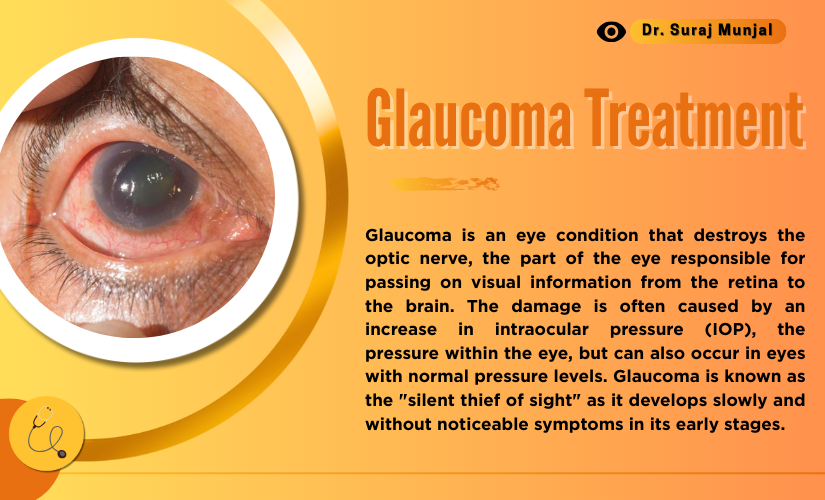
Glaucoma treatment in India is not only medically advanced but also highly affordable, especially for international patients. The cost of glaucoma treatment in India typically ranges from $500 to $1,500, depending on the type of treatment, the hospital location, and whether surgical intervention is required. Compared to Western nations where costs can rise beyond $5,000, this price range offers exceptional value without compromising on quality.
India's healthcare infrastructure has undergone rapid evolution over the past decade. Indian eye care hospitals are equipped with the latest technology to detect, monitor, and manage glaucoma with high accuracy. From early-stage medical management using eye drops to more complex procedures, such as trabeculectomy or minimally invasive glaucoma surgery (MIGS), every treatment option is available across specialized ophthalmology centers.
Table of Contents
What is Glaucoma?
Glaucoma is an eye condition that destroys the optic nerve, the part of the eye responsible for passing on visual information from the retina to the brain. The damage is often caused by an increase in intraocular pressure (IOP), the pressure within the eye, but can also occur in eyes with normal pressure levels. Glaucoma is known as the "silent thief of sight" as it develops slowly and without noticeable symptoms in its early stages.
Unlike temporary or reversible vision problems, the vision loss caused by glaucoma is permanent. Hence, when left untreated, glaucoma can lead to irreversible blindness, making it one of the leading causes of blindness globally. According to the WHO, glaucoma affects over 76 million people globally, and a significant portion of these individuals remain undiagnosed until substantial vision loss has occurred.
There are various forms of glaucoma, but they all share the same defining feature: progressive optic nerve damage. In most cases, this damage is preventable if diagnosed early and managed correctly. Treatment typically aims to lower intraocular pressure, thereby reducing the risk of further damage to the eye. It can be achieved through medications, laser procedures, or surgical intervention.
Glaucoma affects people of all ages, although it is more common in individuals over the age of 40. Certain factors increase the chances of developing the condition, such as:
- Family history of glaucoma
- Diabetes or hypertension
- History of eye injuries or surgeries
- Prolonged use of corticosteroid medications
- Thin corneas or high myopia (severe nearsightedness)
Regular eye check-ups, especially for individuals in high-risk groups, are essential for early detection. Eye care professionals utilize specialized tools, including tonometry (to measure eye pressure), optical coherence tomography (OCT), and visual field tests, to diagnose glaucoma.
What are the Different Types of Glaucoma?
Glaucoma is not a single disease but a group of conditions that lead to progressive damage to the optic nerve. Each type has its own causes, symptoms, and treatment approaches. Knowing the various types of glaucoma is crucial for accurate diagnosis and personalized management.
Primary Open-Angle Glaucoma (POAG)
It is the most common form of glaucoma worldwide. It develops slowly and painlessly over time. The drainage angle inside the eye appears open, but fluid (aqueous humor) doesn't drain efficiently, causing gradual pressure buildup.
- Symptoms: Often asymptomatic in the early stages. Vision loss begins peripherally (side vision).
- Who's at risk: Individuals over 40, especially those with a family history of glaucoma or African ancestry.
Angle-Closure Glaucoma (ACG)
Also known as narrow-angle glaucoma, this condition develops when the iris blocks the drainage angle. It leads to a sudden increase in intraocular pressure. ACG is considered a medical emergency.
- Symptoms: Eye pain, nausea, blurred vision, headache, halos around lights.
- Urgency: Requires immediate treatment to prevent rapid vision loss.
Normal-Tension Glaucoma (NTG)
In NTG, the optic nerve gets damaged even though eye pressure is within the normal range. Experts believe it may be due to poor blood flow to the optic nerve.
- Symptoms: Often unnoticed until advanced vision loss occurs.
- Diagnosis: Requires detailed imaging tests and visual field assessments.
Congenital Glaucoma
It is a rare condition present at birth due to poor development of the eye's drainage system. It can be inherited or occur spontaneously.
- Symptoms: Enlarged eyes, excessive tearing, sensitivity to light.
- Treatment: Typically surgical, as early intervention is crucial to preserving vision.
Secondary Glaucoma
This type is caused by another condition or external factor, such as eye injury, diabetes, uveitis (eye inflammation), steroid use, or cataract surgery complications. Treatment focuses on controlling the underlying cause along with managing eye pressure.
Who Needs Glaucoma Treatment?
Glaucoma treatment is necessary for any individual diagnosed with optic nerve damage or elevated intraocular pressure, regardless of whether symptoms are present. Because glaucoma often develops silently, many people are unaware they have it until permanent vision loss occurs.
- Diagnosed Patients (All Types): Anyone diagnosed with primary open-angle, angle-closure, normal-tension, congenital, or secondary glaucoma needs regular follow-up and appropriate treatment. Since damage caused by glaucoma is irreversible, treatment is focused on halting or slowing progression, not reversing vision loss.
- Individuals with Elevated Eye Pressure (Ocular Hypertension): Some people may not exhibit optic nerve damage yet, but consistently have high intraocular pressure. These individuals are at risk of developing glaucoma in the future. Eye specialists may recommend starting treatment early to prevent progression into full-blown glaucoma.
- High-Risk Individuals: People with the following risk factors should undergo regular glaucoma screenings and begin preventive treatment if signs appear:
- Family history of glaucoma
- Age above 40, especially in African, Asian, or Hispanic populations
- People with diabetes or those with high blood pressure
- People with high myopia (nearsightedness) or thin corneas
- Long-term use of corticosteroids, either topical or systemic
- History of eye trauma or surgery
- Children and Infants (for Congenital Glaucoma): Infants exhibiting signs such as excessive tearing, eye enlargement, or light sensitivity should be evaluated by a pediatric ophthalmologist. Congenital glaucoma requires early surgical treatment to prevent permanent visual impairment.
- Patients with Vision Symptoms: Although glaucoma is usually symptomless in early stages, blurred vision, tunnel vision, halos around lights, or eye pain can be red flags. Anyone experiencing these signs should seek immediate evaluation, especially if they are in a high-risk category.
Glaucoma Diagnosis and Tests
Glaucoma diagnosis is a multi-step process that involves detailed examination of the eye's internal structures, particularly the optic nerve and intraocular pressure. Since glaucoma often progresses without warning signs, accurate and early diagnosis depends on the use of specialized tools and tests. These evaluations not only confirm the presence of glaucoma but also help determine its type and severity.
- Comprehensive Eye Examination: The diagnostic process typically begins with a thorough eye exam that includes a visual acuity test to check your ability to look at different distances. Slit-lamp examination is done to assess the front parts of the eye. Ophthalmologists take a medical and family history review to identify potential risk factors.
- Tonometry (Eye Pressure Test): This test measures IOP, which is a key indicator of glaucoma. Normal eye pressure ranges from 10 to 21 mmHg. Readings above this level may signal a risk for glaucoma. Tonometry can be done using applanation tonometry (most accurate) and non-contact tonometry (commonly known as the air-puff test).
- Gonioscopy (Drainage Angle Evaluation): Gonioscopy helps determine whether the glaucoma is open-angle or angle-closure by examining the drainage angle between the cornea and the iris. A special lens is placed on the eye to provide a clear view of this angle.
- Optical Coherence Tomography (OCT): OCT is an advanced imaging technique that captures high-resolution cross-sectional images of the retina and optic nerve. It helps detect early nerve fiber layer damage and is essential for tracking disease progression over time.
- Visual Field Test (Perimetry): This test measures peripheral vision, which is typically the first area of the visual field affected in glaucoma. The patient is asked to focus on a central point while light dots appear in different places. Missed spots help identify areas of vision loss.
- Pachymetry (Corneal Thickness Measurement): A thinner-than-average cornea can lead to an underestimation of actual eye pressure, while a thicker cornea may overestimate it. Pachymetry helps adjust the interpretation of tonometry results.
- Fundus Photography: High-resolution photographs of the optic nerve head are taken to visually document and monitor any changes in its structure over time.
What are the Treatment Options for Glaucoma?
Glaucoma cannot be cured, but it can be managed effectively through treatment that lowers intraocular pressure and slows or halts optic nerve damage. The goal of treatment is to preserve existing vision and prevent further loss, as lost vision cannot be restored. The right approach depends on the type of glaucoma, severity, and how well the patient responds to therapy.
- Eye Drops (First-Line Therapy): Most patients start with prescription eye drops, which typically help reduce eye pressure. It does so by either decreasing fluid production or improving fluid drainage from the eye. Several classes of medications are available:
- Prostaglandin analogs (e.g., latanoprost): Increase outflow of intraocular fluid
- Beta-blockers (e.g., timolol): Reduce fluid production
- Alpha agonists and carbonic anhydrase inhibitors: Help with both outflow and production
- Rho kinase inhibitors: A newer class used in combination therapies
- Oral Medications: In cases where eye drops are insufficient, oral carbonic anhydrase inhibitors, such as acetazolamide, may be prescribed for short-term pressure reduction. These are often used in emergencies, such as acute angle-closure glaucoma.
- Laser Therapy: Laser procedures are commonly used either as a primary treatment or when medications are insufficient to address the issue. Laser therapy is usually quick, painless, and performed as an outpatient procedure. It may reduce or eliminate the need for eye drops in some patients. The two most common types include:
- Laser Trabeculoplasty (used for open-angle glaucoma): Enhances fluid drainage through the trabecular meshwork
- Laser Iridotomy (used for angle-closure glaucoma): Creates a small hole in the iris to enhance fluid flow
- Surgical Intervention: When medications and laser therapy fail to control pressure, surgery may be necessary. Options include:
- Trabeculectomy: Creates a new drainage pathway
- Glaucoma drainage devices (implants): Regulate fluid outflow
- Minimally Invasive Glaucoma Surgery (MIGS): Safer and faster recovery, often combined with cataract surgery
- Combined Procedures: For patients with both glaucoma and cataracts, combined cataract and glaucoma surgery may be recommended to address both conditions simultaneously.
What is the Cost of Glaucoma Treatment in India?
The cost of glaucoma treatment in India typically ranges from $500 to $1,500. The cost of treatment is significantly more affordable compared to Western countries, without compromising on technology, quality, or safety. Whether you need medications, laser therapy, or surgical intervention, treatment options are available at a fraction of the global price. The total expense depends on the type of treatment required, the severity of the condition, and the expertise of the hospital or surgeon.
Here is a breakdown of average costs for glaucoma treatment options in India:
|
Treatment Type |
Approximate Cost (USD) |
|
Initial Consultation & Diagnostic Tests |
$30 – $100 |
|
Monthly Cost of Eye Drops |
$15 – $50 |
|
Laser Trabeculoplasty |
$300 – $600 |
|
Laser Iridotomy |
$250 – $500 |
|
Trabeculectomy Surgery |
$700 – $1,200 |
|
Glaucoma Drainage Implant (Shunt Surgery) |
$1,000 – $1,500 |
|
Minimally Invasive Glaucoma Surgery (MIGS) |
$1,200 – $2,000 |
|
Combined Cataract + Glaucoma Surgery |
$1,500 – $2,200 |
Note: These are average self-pay prices for international patients and may vary based on the hospital, technology used, surgeon's experience, and city.
What's Typically Included in the Cost
- Pre-operative diagnostics (OCT, gonioscopy, tonometry, etc.)
- Surgeon consultation
- The procedure (laser or surgical)
- Required medications during hospitalization
- Post-operative follow-up (1–2 visits)
Some hospitals also offer comprehensive medical tourism packages that include airport transfers, accommodation, visa support, and care coordinators for foreign patients. Always ask for an all-inclusive quote before confirming your appointment.
Affordability for Chronic Care
Since glaucoma is a long-term condition, affordability plays a crucial role in ongoing treatment. The monthly cost of eye drops or regular monitoring can be burdensome in many countries. In India, not only is surgery affordable, but so are long-term medications, diagnostic follow-ups, and laser sessions.
Cost Comparison: India vs Other Countries
One of the reasons international patients choose India for glaucoma treatment is the significant cost advantage it offers. While glaucoma requires lifelong monitoring and management, India offers world-class healthcare at reasonable costs.
The table below highlights the average glaucoma treatment costs across different countries:
|
Country |
Laser Treatment |
Surgical Treatment |
Eye Drops (Monthly) |
|
India |
$300 – $600 |
$700 – $1,500 |
$15 – $50 |
|
United States |
$1,500 – $3,000 |
$3,500 – $6,000 |
$150 – $300 |
|
United Kingdom |
$1,200 – $2,800 |
$3,000 – $5,000 |
$100 – $250 |
|
United Arab Emirates |
$1,000 – $2,500 |
$3,000 – $5,500 |
$100 – $200 |
|
Singapore |
$1,500 – $2,500 |
$4,000 – $6,500 |
$120 – $250 |
|
South Africa |
$1,000 – $2,000 |
$2,500 – $4,000 |
$80 – $200 |
Why is the Glaucoma Treatment Cost Lower in India?
Several key factors drive the affordability of glaucoma care in India:
- Lower hospital operational costs
- High volume of procedures and experienced specialists
- Minimal administrative expenses
- Competitive pharmaceutical pricing
Even when international travel, accommodation, and incidental expenses are included, the total cost for a complete treatment cycle in India is still 60% to 80% lower than in Western countries.
What are the Factors Affecting Glaucoma Treatment Cost in India?
The cost of glaucoma treatment can vary significantly based on multiple clinical and non-clinical factors. Understanding these variables helps patients plan more effectively and choose the most suitable option for their condition and budget. While India offers some of the most affordable glaucoma care globally, the total expense still depends on personalized factors.
- Type and Stage of Glaucoma: The most critical factor is the type of glaucoma (open-angle, angle-closure, congenital, or secondary) and its stage at diagnosis. Early-stage glaucoma may only require eye drops and regular monitoring, which is a cost-effective approach over time. Advanced glaucoma often demands laser or surgical interventions, which are comparatively more expensive due to the complexity and long-term care involved.
- Type of Treatment Required: Treatment plans are customized to each patient. For example, a medication-only approach is relatively low-cost but requires ongoing maintenance. Laser therapy (e.g., trabeculoplasty, iridotomy) involves a one-time expense but may delay or reduce the need for surgery. Surgical options, such as trabeculectomy or drainage devices, come with higher upfront costs, although they may reduce the need for long-term medications.
- Technology and Equipment Used: Hospitals that utilize cutting-edge diagnostic and surgical technologies, such as optical coherence tomography, non-contact tonometry, and minimally invasive glaucoma surgery systems, may charge higher fees. However, these tools often lead to safer, more accurate, and less invasive treatments, potentially lowering long-term costs by reducing complications.
- Surgeon's Experience and Hospital Reputation: Highly experienced glaucoma specialists or internationally trained ophthalmologists may charge a premium for their services. Similarly, accredited hospitals or eye institutes in metropolitan cities like Delhi, Mumbai, and Bangalore may charge higher prices due to their advanced infrastructure.
- City and Facility Location: Treatment in Tier 1 cities is typically more expensive than in Tier 2 or Tier 3 locations. However, metro-based hospitals offer better access to specialized care, diagnostic facilities, and patient services, which may justify the added cost.
Why Choose India for Glaucoma Management?
India is a trusted destination for glaucoma treatment, thanks to a unique combination of clinical excellence, cutting-edge technology, and affordability. Patients from across Africa, the Middle East, Southeast Asia, and Europe travel here not just for cost savings, but for the high standard of care provided by internationally trained ophthalmologists and globally accredited hospitals.
- Access to Glaucoma Specialists: India is home to some of the world's leading glaucoma specialists, many of whom have trained at top institutions in the US, UK, or Europe. These experts bring extensive experience in diagnosing complex cases and performing advanced surgical interventions, including trabeculectomy, glaucoma drainage implants, and MIGS. The benefit of seeing a dedicated glaucoma consultant, rather than a general ophthalmologist, is the precision and customization of care.
- Advanced Diagnostic and Surgical Technology: Indian eye hospitals have the latest diagnostic tools, including optical coherence tomography, visual field analyzers, pachymeters, and automated perimetry systems. These allow for detailed mapping of optic nerve health and visual field loss. For treatment, high-end laser systems and minimally invasive surgical devices are routinely used. Techniques such as selective laser trabeculoplasty, laser peripheral iridotomy, and advanced filtration surgeries are offered at top centers.
- Personalized, Patient-Centric Care: Hospitals in India emphasize personalized treatment planning, where the approach is customized to each patient's stage of disease, age, risk factors, and lifestyle. Whether it's choosing between medication and surgery, or selecting the most effective laser procedure, decisions are made with the patient's long-term vision in mind.
- Zero Wait Time and Seamless Care: Unlike many countries where patients face prolonged waiting lists for specialist consultations or surgery, care is available immediately in India. International patients often receive diagnosis, treatment, and follow-up all within a week, coordinated by dedicated patient support teams.
- Proven Outcomes and Global Patient Trust: Indian ophthalmology centers consistently report high success rates in stabilizing glaucoma and preventing further vision loss. With a growing number of satisfied overseas patients, India continues to gain recognition for offering world-class glaucoma care at prices that are globally unmatched.
International Patient Services and Support For Glaucoma Treatment in India
For many patients traveling from abroad, receiving glaucoma treatment in an unfamiliar country may seem challenging. However, top hospitals in India offer dedicated international patient services to ensure a smooth, comfortable, and stress-free experience from arrival to recovery. These support systems are specifically designed to meet the needs of global visitors while delivering world-class medical care.
Pre-Arrival Coordination
Before arriving, patients can connect with hospital coordinators through email, phone, or video calls. These teams:
- Schedule online consultations with glaucoma specialists.
- Assist in reviewing existing medical reports.
- Provide a cost estimate and treatment plan.
- Share a medical visa invitation letter required for visa applications.
This pre-arrival support allows patients to plan their trip with clarity, knowing what to expect in terms of procedures, costs, and timelines.
Airport Transfers and Accommodation Help
Eye care hospitals that cater to international patients provide airport pick-up and drop-off services, ensuring safe and direct transportation to the medical facility. In many cases, they assist with booking nearby hotels, serviced apartments, or guest houses that suit the patient's budget and duration of stay.
Language and Cultural Assistance
Language interpreters and multilingual staff are available to assist patients who speak Arabic, French, Swahili, Bengali, Russian, or other regional languages. They ensure accurate communication between the patient and medical staff, especially when discussing treatment options, post-operative care, and follow-up instructions.
Personalized Care Coordinators
Each international patient is assigned a dedicated case manager who handles:
- Appointment scheduling
- Medication delivery
- Financial billing and receipts
- Coordination of follow-up visits and transport
These coordinators act as a single point of contact, making it easier for patients and families to navigate the healthcare system.
Seamless Follow-Up and Departure Support
Before departure, patients are provided with:
- Post-treatment reports
- Medications for the recovery period
- Doctor's notes and follow-up instructions
For ongoing care, virtual follow-up appointments are arranged using WhatsApp, Zoom, or email. It ensures continued supervision and peace of mind long after patients return to their home countries.
Recovery and Long-Term Outlook
Glaucoma is a chronic condition requiring lifelong management rather than a one-time fix. The recovery period and long-term outcomes largely depend on the type of treatment received, the stage at which the disease was diagnosed, and the patient's adherence to the treatment plan. With early intervention and regular follow-up, it is possible to preserve vision and maintain a good quality of life.
Recovery After Glaucoma Treatment
- Medication-Based Management: For patients using eye drops to control intraocular pressure, there is no surgical recovery. However, daily adherence to medication is essential. Missed doses or improper technique can lead to worsening of the disease. Mild side effects (redness or dryness) may occur initially and usually resolve over time or with the use of alternative medications.
- Laser Therapy: Procedures such as laser trabeculoplasty and laser iridotomy are typically performed on an outpatient basis and have minimal downtime. Most glaucoma patients return to normal activities within 24–48 hours. Mild discomfort or temporary blurry vision may be experienced for one to two days. Follow-up is typically scheduled within 1 week to assess intraocular pressure response.
- Surgical Procedures: More invasive options like trabeculectomy or glaucoma drainage implants require a more extended recovery period. Patients should avoid strenuous activity for 2 to 4 weeks. Eye drops are usually prescribed to prevent infection and control inflammation. Several follow-up visits are required in the first month to monitor healing and pressure control.
Long-Term Management and Outlook
Glaucoma is not curable, but its progression can be slowed or halted if it is appropriately managed. With the proper treatment:
- Many patients retain functional vision throughout their lives.
- Regular monitoring (every 3–6 months) helps adjust treatment when needed.
- Early detection enables less invasive interventions and yields better long-term outcomes.
The prognosis improves dramatically with early diagnosis, particularly in open-angle glaucoma. Even advanced cases can be stabilized with timely surgical or combined therapies. Lifestyle factors, including stress management, a healthy diet, and regular eye exams, also play a significant role in maintaining long-term eye health.
Patient Stories
Hearing from actual patients who traveled abroad for glaucoma treatment can be both informative and comforting. These international patients chose India not only for affordability but also for high-quality care from globally trained ophthalmologists. Below are a few testimonials that reflect the life-changing impact of timely glaucoma treatment.
Fatima D., Muscat, Oman – Laser Iridotomy by Dr. Suraj Munjal
"I was diagnosed with narrow-angle glaucoma during a routine eye exam and needed urgent laser treatment. The waiting time in Oman was too long, so I flew to Delhi. A friend referred me to Dr. Suraj Munjal at The Sight Avenue. Within 48 hours, I underwent a laser iridotomy in both eyes. The procedure was painless and quick, and the staff were incredibly supportive. I flew back within five days, relieved and grateful."
James N., Kampala, Uganda – Trabeculectomy for Advanced Glaucoma
"By the time I got diagnosed, my vision had already started narrowing. I needed surgery, but the cost in my country was beyond reach. I contacted a medical coordinator who arranged my treatment in India. The surgery went well, and I received excellent care post-operatively. The follow-ups were smooth, and I now monitor my condition remotely. I would definitely recommend India to anyone with serious eye problems."
Elena V., Tashkent, Uzbekistan – MIGS with Cataract Removal
"My doctor back home suggested cataract surgery, but also noticed early glaucoma. I wanted both issues resolved at once. In Delhi, the eye specialist proposed a combined MIGS and cataract procedure. The recovery was fast, and my pressure is now under control. I'm using just one drop daily. My vision is clear, and I no longer worry about going blind."
Samuel B., Port Harcourt, Nigeria – Medication Review and Long-Term Monitoring
"I had been on three different eye drops for two years with no real improvement. I traveled to India to seek a second opinion. After detailed scans, the specialist changed my medication plan and recommended SLT laser as an alternative. The pressure dropped almost immediately, and I feel more confident now. Even from Nigeria, I'm able to do my check-ins online.
Frequently Asked Questions
No, glaucoma is not curable, but it can be successfully managed to prevent further vision loss. Treatment focuses on reducing intraocular pressure to slow or stop damage to the optic nerve. Early detection and consistent treatment are essential for preserving vision.
Glaucoma often develops without noticeable symptoms. Regular eye exams are the only proper way to detect it early. Tests such as tonometry, OCT scans, and visual field analysis help diagnose and monitor the condition even before vision is affected.
Not always. Many patients can control glaucoma with eye drops or laser therapy, especially if caught early. Surgery, such as trabeculectomy or MIGS, is recommended when medication and laser treatments are not enough to manage eye pressure.
No. Glaucoma is a lifelong condition. Stopping medication without doctor advice can lead to increased eye pressure and permanent vision loss. Treatment should always be adjusted by your ophthalmologist, not stopped independently.
Surgery costs range from $500 to $1,500, depending on the type of procedure (trabeculectomy, drainage device, or MIGS) and the hospital. Comprehensive packages for international patients often include consultations, diagnostics, surgery, and follow-up care.
Yes. Procedures like Selective Laser Trabeculoplasty (SLT) or Laser Iridotomy are safe, minimally invasive, and performed on an outpatient basis. They are often used when drops are ineffective or as an early intervention option.
If left untreated, glaucoma often leads to blindness. However, with proper and timely treatment, most patients retain functional vision throughout life.
Yes. Many hospitals offer virtual follow-up services via email, video calls, or messaging platforms like WhatsApp. It allows patients to stay in contact with their doctor and receive ongoing care, even if they are abroad.
