Eyelid Surgery Cost in India
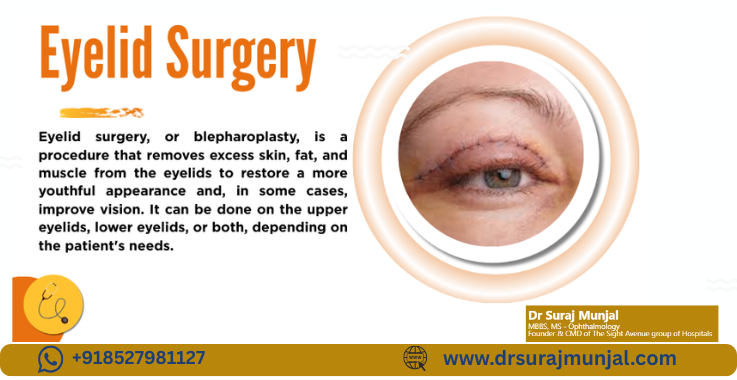
Eyelid surgery, medically known as blepharoplasty, is one of the most sought-after cosmetic and reconstructive procedures worldwide. It not only rejuvenates the eyes by removing sagging skin, fat, or puffiness but can also improve vision for patients whose eyelids droop into their line of sight.
The cost of eyelid surgery in India ranges from $1,000 to $2,500. Whether it's upper eyelid lifting for a fresher appearance, lower eyelid correction to reduce under-eye bags, or functional repair for drooping lids, India offers safe, modern, and affordable options with no compromise on quality.
Globally trained surgeons, JCI- or NABH-accredited hospitals, and personalized patient care have made India a hub for high-quality blepharoplasty at 60–80% lower costs than in the US, UK, or Australia. This makes it especially appealing to patients from regions such as the Gulf (UAE, Oman, Saudi Arabia), Africa (Nigeria, Kenya, South Africa), and Southeast Asia.
Table of Contents
What is Eyelid Surgery (Blepharoplasty)?
Eyelid surgery, or blepharoplasty, is a procedure that removes excess skin, fat, and muscle from the eyelids to restore a more youthful appearance and, in some cases, improve vision. It can be done on the upper eyelids, lower eyelids, or both, depending on the patient's needs.
Over time, the skin around the eyes becomes thinner and loses elasticity. It can lead to drooping lids, puffiness, and wrinkles. In more severe cases, sagging skin can even interfere with peripheral vision. Blepharoplasty corrects these changes by tightening the eyelid tissue and removing fat deposits.
Cosmetic vs. Functional Eyelid Surgery
- Cosmetic blepharoplasty is primarily done to improve the appearance of the eyes. It does so by reducing puffiness, sagging, and wrinkles. The procedure is commonly performed for aesthetic reasons and is not typically covered by insurance.
- Functional blepharoplasty is recommended when drooping eyelids impair vision, cause eye strain, or interfere with daily activities. This type may be medically necessary and can be combined with cosmetic goals.
Eyelid surgery is one of the most precise facial procedures, requiring a skilled hand to ensure natural-looking results. When performed by experienced surgeons, it can significantly enhance both appearance and visual function with minimal downtime.
Types of Eyelid Surgery: Upper, Lower, and Double Eyelid
Eyelid surgery is not a one-size-fits-all procedure. Depending on the patient's goals and anatomy, different types of blepharoplasty may be recommended. Each type targets specific concerns, from sagging upper lids to under-eye puffiness or the creation of a defined eyelid crease.
Upper Eyelid Surgery
Upper blepharoplasty is the most common form of eyelid surgery. It removes excess skin and fat from the upper lids that may cause drooping or hooding over the eyes. Patients typically seek this procedure to:
- Improve a tired or aged appearance
- Enhance eye symmetry
- Restore a clear visual field obstructed by sagging skin
It's often chosen by both men and women over the age of 40, but younger individuals with inherited traits, such as heavy lids, may also benefit.
Lower Eyelid Surgery
Lower blepharoplasty focuses on the area beneath the eyes, targeting issues such as:
- Puffy under-eye bags
- Loose or wrinkled skin
- Dark circles caused by shadowing from bulging fat
The surgeon may remove or reposition fat and tighten the skin to create a smoother, more youthful contour. This type is often performed in conjunction with upper eyelid surgery for balanced rejuvenation.
Double Eyelid Surgery
Double eyelid surgery is especially popular among patients from East and Southeast Asia who have a monolid (an eyelid without a visible crease). This procedure creates a natural-looking upper eyelid fold to:
- Enhance the size and shape of the eye
- Create a more defined crease
- Make applying makeup easier
It is considered a cosmetic procedure and requires careful planning to achieve a crease that suits the patient's facial structure.
Each of these surgeries can be performed individually or in combination, depending on the desired outcome. A detailed consultation with an experienced oculoplastic or cosmetic surgeon typically guides the choice of procedure.
Who Needs Eyelid Surgery?
Candidates for blepharoplasty come from a wide range of age groups, ethnic backgrounds, and health profiles, each with unique goals for the procedure.
- People with Sagging or Drooping Eyelids: With age, the skin around the eyes loses its elasticity, leading to sagging upper eyelids. In some cases, excess skin can droop over the lashes, impairing peripheral vision. It is not just a cosmetic issue; it can also affect reading, driving, and overall eye comfort. These patients often require functional blepharoplasty to restore clear vision and reduce eye fatigue.
- Individuals with Puffy Eyes or Under-Eye Bags: Fatty deposits that shift or accumulate under the skin can create puffiness in the upper eyelids or bags beneath the eyes, making a person look tired or older than they are. Lower eyelid surgery effectively removes or redistributes this fat to restore a smoother and more refreshed appearance.
- Adults Seeking a Younger, Refreshed Look: Many people in their 40s, 50s, and 60s consider eyelid surgery as part of a broader facial rejuvenation plan. Eyelid surgery can:
- Soften wrinkles around the eyes.
- Make the eyes appear brighter and more open.
- Enhance overall facial balance.
- Younger Individuals with Hereditary Eyelid Concerns: Some people are born with heavy eyelids, puffy eyes, or asymmetric eyelid folds. Even in their 20s or 30s, they may feel self-conscious about their appearance and seek surgical correction. These procedures are typically tailored to preserve natural ethnic features while creating subtle improvements.
- Patients with Ptosis (Drooping Eyelid Muscle): In some instances, drooping eyelids are caused by weak or stretched muscles rather than just loose skin. This condition, known as ptosis, can be congenital or age-related. Ptosis repair may be performed alongside or instead of traditional eyelid surgery to lift the lid and restore function.
- Individuals Preparing for Vision-Related Exams or Careers: Pilots, military personnel, and other professionals who undergo strict vision tests may require eyelid surgery if drooping skin interferes with peripheral vision. In such cases, the surgery is medically necessary and helps meet occupational health and safety standards.
- Patients with Asymmetry or Prior Surgical Correction Needs: Patients who have undergone previous eye surgeries or have naturally asymmetric eyelids may opt for revision blepharoplasty to improve symmetry, correct scarring, or achieve a more balanced cosmetic appearance.
How is Eyelid Surgery Performed?
Eyelid surgery, also known as blepharoplasty, is a delicate outpatient procedure that typically lasts between 45 minutes and 2 hours, depending on whether it involves the upper eyelids, lower eyelids, or both. The procedure is done under local anesthesia with sedation or, in some cases, general anesthesia—especially if combined with other facial surgeries.
The goal is to remove or reposition excess skin, muscle, and fat to restore a smoother, more youthful contour around the eyes without overcorrecting or creating a hollow look.
Eyelid surgery involves multiple steps, which are mentioned below.
- Preoperative Marking and Planning: Before surgery, the surgeon carefully examines the patient's eyelid structure and marks the incision lines. These markings ensure symmetry and precise correction. For functional cases, visual field testing may also be reviewed.
- Anesthesia Administration: Most eyelid surgeries are performed using local anesthesia with mild sedation, allowing the patient to remain awake but relaxed. In some complex cases, general anesthesia may be recommended.
- Making the Incisions: In upper eyelid surgery, the eye surgeon makes an incision in the natural crease of the upper lid. It conceals the scar and allows for the removal, repositioning, or replacement of skin, fat, and muscle. In lower eyelid surgery, the incision may be made either just below the lash line (subciliary approach) or inside the eyelid (transconjunctival approach), especially if only fat removal or repositioning is needed.
- Tissue Removal or Repositioning: Excess skin is trimmed to eliminate sagging. Bulging fat pockets are either removed or redistributed to smooth puffiness. Loose muscles may be tightened to improve support and lid tone. In the case of double eyelid surgery, the surgeon creates a new crease with careful suturing to define the eyelid fold.
- Closing the Incisions: The surgeon closes the incisions with very fine sutures, often dissolvable or removed within 5 to 7 days. Sterile strips may be applied to support the healing process.
- Postoperative Care and Recovery: After surgery, cold compresses are applied to reduce swelling and bruising. Most patients can resume non-strenuous activities within 5–7 days; however, complete healing and scar fading typically take several weeks to occur.
Modern Techniques in Eyelid Surgery
- Laser-assisted blepharoplasty utilizes CO2 lasers for cutting and cauterizing, thereby reducing bleeding and accelerating recovery.
- Fat preservation and repositioning are often preferred over fat removal to avoid a sunken appearance.
- Minimal incision techniques are now widely used, especially for younger patients or those with mild concerns.
A successful eyelid surgery combines artistic precision with deep anatomical understanding. Choosing an experienced oculoplastic or cosmetic surgeon ensures optimal functional and aesthetic results with minimal scarring and downtime.
What are the Benefits of Eyelid Surgery?
Eyelid surgery offers more than just cosmetic enhancement. Whether performed for aesthetic or medical reasons, the procedure provides lasting improvements in both appearance and functionality.
- Restores a Youthful Appearance: The eyes are often the first area to show signs of aging. Loose skin, wrinkles, and puffiness can create a tired or aged look, even in younger individuals. Eyelid surgery removes or tightens this excess tissue, resulting in smoother, more youthful contours around the eyes.
- Improves Vision Obstructed by Drooping Lids: In cases where sagging upper eyelids interfere with the line of sight, blepharoplasty can have a functional benefit. By removing the obstructive skin and tightening the surrounding muscle, the procedure improves the field of vision, making daily tasks such as driving, reading, and using screens easier and safer.
- Enhances Eye Symmetry and Facial Harmony: Asymmetry between the two eyes—whether from aging, genetics, or previous surgeries—can make the face appear unbalanced. Blepharoplasty helps restore symmetry by adjusting the eyelid shape and crease position, contributing to a more harmonious and proportionate appearance.
- Reduces Under-Eye Bags and Puffiness: Fatty deposits in the lower eyelids can lead to persistent under-eye bags, giving the appearance of constant tiredness or stress. Lower eyelid surgery effectively addresses this issue by removing fat and tightening the skin, resulting in a smoother and more refreshed appearance.
- Boosts Confidence and Self-Esteem: For many patients, the transformation is not only physical but also emotional. Feeling better about one's appearance leads to improved confidence and greater comfort in personal and professional interactions. Patients often describe blepharoplasty as a "life-changing" procedure because it brings renewed energy to their facial expression.
- Minimal Scarring and Long-Lasting Results: Modern surgical techniques place incisions along natural creases or inside the eyelid, ensuring that scars are virtually invisible once healed. Results typically last 10–15 years or more, depending on age, skin quality, and lifestyle.
- Quick Recovery and Low Risk: Blepharoplasty is considered one of the safest and most effective facial procedures, with a relatively short recovery time. Most patients resume their day-to-day activities within a week, and complications are rare when a qualified surgeon performs the procedure.
What is the Cost of Eyelid Surgery in India?
The price of eyelid surgery in India is lower than in countries such as Canada, the UK, the USA, and the UAE, without compromising on quality. Patients receive advanced care from highly skilled cosmetic or oculoplastic surgeons at a fraction of the international price.
On average, the cost of eyelid surgery in India ranges between $1,000 and $2,500 (approximately ₹85,000 to ₹2,00,000), depending on several variables. It makes India one of the most cost-effective destinations for blepharoplasty.
Cost Breakdown by Type of Procedure
- Upper Eyelid Surgery: $1,000 – $1,500
- Lower Eyelid Surgery: $1,200 – $1,800
- Both Upper and Lower Eyelids: $1,800 – $2,500
- Double Eyelid Surgery (Asian Blepharoplasty): $1,200 – $2,000
- Ptosis Correction (if required): Additional $500 – $1,000
What the Cost Typically Covers
While inclusions may vary by hospital or clinic, most treatment packages generally include:
- Preoperative consultation and eye examination
- Surgeon's fee
- Operation theatre charges and anesthesia
- Hospital or day-care facility charges
- Postoperative medications and follow-up care
Is It Affordable to Combine Multiple Procedures?
Yes. Many patients opt for combined upper and lower eyelid surgery in a single session to minimize hospital fees and recovery time. Combining procedures often results in overall lower costs compared to having each surgery separately in Western countries.
What are the Factors That Influence the Cost of Eyelid Surgery?
While India offers affordable rates for blepharoplasty, the exact cost of eyelid surgery can vary depending on several key factors.
- Type and Complexity of the Procedure: The nature of the surgery significantly impacts cost. Simple upper eyelid skin removal typically costs less than a combination of upper and lower lid surgeries. Surgeries involving ptosis correction or fat repositioning require more time and skill, increasing the overall expense. Double eyelid surgeries, especially when customized to meet aesthetic preferences, may also incur a slight cost increase due to the precision required.
- Whether One or Both Eyes Are Treated: Some patients may only require surgery on one eyelid due to asymmetry or injury. However, treating both eyes in the same session is often more economical and provides balanced results.
- Surgeon's Experience and Credentials: Surgeons who specialize in oculoplastic or facial cosmetic surgery and have extensive international training may charge higher consultation or surgical fees. However, their expertise ensures safer outcomes, lower complication risks, and more natural results.
- Hospital or Clinic Reputation: Top-tier hospitals and boutique cosmetic clinics with NABH or JCI accreditation use the latest surgical technology and follow rigorous safety protocols. These centers may charge more but provide added value in terms of quality, comfort, and postoperative care.
- City of Treatment: Metro cities like Delhi, Mumbai, Bangalore, and Chennai may have slightly higher costs due to greater demand and higher infrastructure expenses. However, these cities also house some of the most experienced surgeons and advanced eye centers in the country.
- Type of Anesthesia Used: Most eyelid surgeries are performed with local anesthesia and sedation; however, in rare cases, general anesthesia may be required, especially when combined with other facial procedures. It can increase the total cost due to the need for an anesthesiologist and a more extended recovery period.
- Preoperative Tests and Postoperative Medications: While basic eye exams are usually included, patients with underlying comorbidities (like diabetes or hypertension) may require additional lab tests or physician clearance, which can add to the cost. Post-op prescriptions, cold compresses, and protective eye shields may also be billed separately, depending on the facility.
- Inpatient vs. Outpatient Surgery: Most eyelid surgeries are performed as day-care procedures, meaning the patient is discharged on the same day of the procedure. However, if the patient requests or requires overnight monitoring, this may slightly increase the cost.
- Customization and Cosmetic Preferences: Requests for specific aesthetic outcomes, such as double eyelid crease design or scarless techniques, may require more planning, advanced technology, and longer surgical time, all of which can influence the final price.
Cost Comparison: India vs. USA, UK, UAE, and Other Countries
Eyelid surgery in India offers a significant cost advantage over many other countries, including the United States, the United Kingdom, the UAE, Australia, and European countries. Despite being more affordable, the quality of care, safety standards, and outcomes remain on par with international benchmarks, thanks to experienced surgeons, modern infrastructure, and JCI/NABH-accredited hospitals.
|
Country |
Upper and Lower Eyelid Surgery Cost |
|
United States |
$4,500 – $8,000 |
|
United Kingdom |
£3,500 – £6,000 (approx. $4,400 – $7,600) |
|
United Arab Emirates |
AED 15,000 – 25,000 (approx. $4,000 – $6,800) |
|
Australia |
AUD 5,000 – 8,500 (approx. $3,300 – $5,600) |
|
Nigeria / Kenya / South Africa |
$3,000 – $5,000 |
|
India |
$1,000 – $2,500 |
Note: These are average figures and may vary depending on the surgeon's expertise, hospital category, and the complexity of the procedure.
Even when factoring in airfare, hotel stays, and recovery time, international patients often find that they still save 40% to 70% compared to undergoing the same procedure in their home countries. Many also combine their trip with sightseeing or wellness packages, making the journey both medically and personally rewarding.
Why Choose India for Eyelid Surgery?
India has become a trusted destination for international patients seeking safe, advanced, and affordable eyelid surgery. Whether for cosmetic enhancement or functional improvement, the country offers exceptional value through world-class care and patient-centered services.
- Globally Trained Surgeons: India is home to highly qualified oculoplastic and cosmetic surgeons who have trained at leading institutions in the US, UK, and Europe. These experts perform thousands of blepharoplasty procedures annually, bringing deep anatomical knowledge and artistic precision to every case.
- Internationally Accredited Hospitals: Many hospitals and specialty eye clinics in India are NABH- or JCI-accredited, ensuring adherence to the highest global standards in safety, hygiene, and patient care. Eye hospitals are equipped with the latest surgical tools, including laser systems and microscopic instruments, to deliver precise results.
- Personalized and Culturally Sensitive Care: Indian healthcare teams understand the unique preferences and concerns of patients from diverse backgrounds. Surgeons offer customized consultations, taking into account facial structure, ethnic features, and aesthetic goals to ensure natural-looking results.
- Short Waiting Times and Easy Scheduling: Unlike many Western countries, where cosmetic procedures may involve long waitlists, Indian hospitals offer fast-track scheduling, even for complex or revision cases. Most patients can complete their treatment and recovery within 1 to 2 weeks.
- Affordable Without Compromise: India provides world-class care at 60–80% lower costs than the US, UK, or Gulf countries. Even after accounting for travel and accommodation, patients save significantly while receiving premium care.
- Multilingual Staff and Travel Assistance: Hospitals catering to international patients have staff fluent in English, Arabic, French, and other languages. Dedicated international desks assist with everything, from visa invitations and hotel bookings to airport transfers and sightseeing plans.
What are the Services Available for International Patients Seeking Refractive Surgery in India?
India's top hospitals and cosmetic clinics offer various services to ensure a seamless, safe, and stress-free experience for international patients. From pre-arrival planning to post-surgery follow-ups, these services are designed to provide comfort and confidence at every step.
- Personalized Medical Coordination: International patient coordinators assist with scheduling consultations, confirming surgery dates, and ensuring effective communication between the patient and the surgical team. They also help patients choose the right surgeon based on their specific needs.
- Visa and Travel Assistance: Hospitals issue visa invitation letters and guide patients through the medical visa process. Many facilities also help arrange airport pickup and drop-off to make arrival and departure easy and secure.
- Language Interpretation Services: Professional interpreters are available for Arabic, French, Spanish, Russian, and several African languages. This ensures patients understand every detail of their diagnosis, procedure, and postoperative care.
- Affordable Accommodation Support: Hospitals and clinics often have partnerships with nearby hotels and guesthouses, offering safe and hygienic accommodations at discounted rates. Some also offer on-site accommodations for patient attendants.
- Customized Treatment Packages: Before arrival, hospitals provide transparent treatment estimates, often in the form of fixed packages that include consultation, surgery, hospital charges, anesthesia, and postoperative care. It helps patients plan their finances without worrying about hidden costs.
- Post-Surgery Follow-Up and Virtual Consults: After discharge, international patients receive ongoing support through email, video calls, or patient portals. It ensures continued recovery even after returning to their home country.
- Wellness and Recovery Add-Ons: Many hospitals offer wellness therapies, physiotherapy, and guided recovery sessions to speed up healing and enhance the overall experience. Some patients also choose to combine medical travel with a brief holiday in India.
Testimonials from International Patients
Hearing directly from people who have traveled to India for eyelid surgery provides meaningful insight into the quality of care, affordability, and overall experience. Below are a few real-world stories from international patients who entrusted their eyes to expert surgeons in India.
Amina T. – Nairobi, Kenya
"I had drooping upper eyelids that were starting to affect my vision and confidence. I found Dr. Suraj Munjal online and flew to New Delhi for surgery. From my first video consultation to my discharge, everything was handled professionally. The results are natural, and I can finally see better and look younger. The cost was one-fourth of what I was quoted at home."
Amina R. – Abu Dhabi, UAE
"I had considered blepharoplasty for years, but found the UAE clinics too expensive. A friend recommended I visit India. Dr. Munjal and his team made me feel completely safe. The procedure was smooth, and recovery was fast. I loved the personalized care and the fact that they even helped with my hotel booking. Highly recommend it!"
Jean-Luc D. – Marseille, France
"As a man in his 60s, I wasn't sure if eyelid surgery was for me, but my sagging lids made me look constantly tired. I found a reputable clinic in India and took the chance. The surgeon was excellent, and the staff was incredibly attentive. It was affordable and efficient, and I'm pleased with the subtle, refreshed look.
Frequently Asked Questions
No, eyelid surgery is not painful. Eye surgeons use local anesthesia with sedation or general anesthesia so patients don't feel pain during the procedure. Mild discomfort, swelling, or tightness may occur afterward, but it is manageable with prescription drugs and cold compresses.
Most patients return to light activities within 5 to 7 days. Bruising and swelling usually subside within 10 to 14 days, while full recovery, including scar fading and final results, may take several weeks. It's important to follow post-op instructions to ensure optimal healing.
The incisions are made in the natural folds of the eyelids or inside the eyelid (for lower lid procedures), making scars virtually invisible once healed. Skilled surgeons use fine sutures to minimize scarring.
Yes, many patients opt to have both upper and lower eyelid surgeries in a single session. This approach saves time, reduces overall recovery time, and often lowers the total cost compared to staging the procedures separately.
In most countries, insurance does not cover cosmetic eyelid surgery. However, if the surgery is performed to correct vision obstruction due to sagging lids (functional blepharoplasty), some insurance plans may reimburse part of the cost. You should consult your insurer for clarity.
Look for an oculoplastic or facial cosmetic surgeon with specialized experience in eyelid procedures. Review their credentials, patient reviews, before-and-after photos, and ensure they practice in an accredited hospital or clinic.
Eyelid surgery results are long-lasting, often lasting 10 to 15 years or more. While it won't stop the natural aging process, most patients enjoy a refreshed appearance for many years.
Most international patients stay in India for 7 to 10 days post-surgery to allow for healing and follow-up appointments. Flying is generally safe after a week, provided there are no complications.
