Eye Removal Surgery Cost in India
Eye removal surgery, also known as enucleation or evisceration, is a delicate yet life-improving procedure performed when an eye becomes severely damaged, painful, or poses a risk to the patient’s health. In many cases, this surgery becomes necessary due to ocular cancers, traumatic injuries, or untreatable infections. Although losing an eye is emotionally difficult, the procedure can significantly improve quality of life by relieving pain and allowing for cosmetic rehabilitation with a prosthetic eye.
The cost of eye removal surgery in India typically ranges between $1,200 and $2,500 (INR 1,00,000 to INR 2,00,000), making it one of the most affordable destinations for this procedure globally. Despite the lower cost, Indian hospitals maintain high medical standards, advanced surgical techniques, and offer compassionate care through highly trained ophthalmic surgeons.
International patients choose India not just for the affordability, but also for its world-class eye hospitals, minimal waiting time, and full-fledged support services. Whether you require the surgery due to cancer, trauma, or chronic eye pain, India offers a safe and cost-effective treatment pathway.
Table of Contents
What is Eye Removal Surgery?
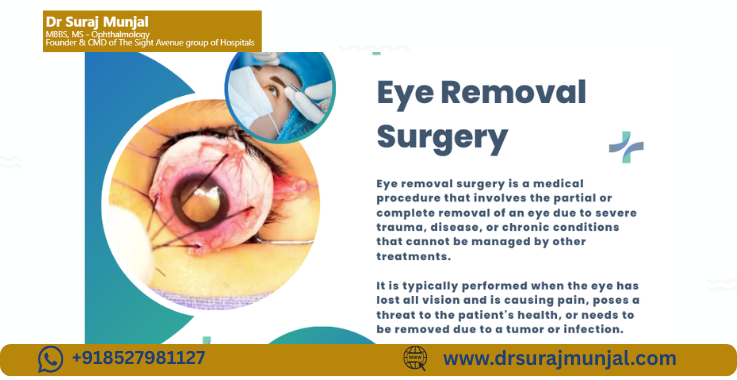
Eye removal surgery is a medical procedure that involves the partial or complete removal of an eye due to severe trauma, disease, or chronic conditions that cannot be managed by other treatments. It is typically performed when the eye has lost all vision and is causing pain, poses a threat to the patient's health, or needs to be removed due to a tumor or infection.
There are two main types of eye removal procedures:
- Enucleation: It involves the complete removal of the eyeball (the globe) while leaving the eye muscles and eyelid structures intact.
- Evisceration: In this procedure, the inner contents of the eye are removed, but the scleral shell (outer white part of the eye) and the muscles are preserved.
In both cases, a custom-made artificial eye (ocular prosthesis) can be fitted later to restore a natural appearance. While this prosthesis does not restore vision, it helps patients regain self-confidence and facial symmetry.
This surgery is done under general anesthesia and is considered safe when performed by skilled ophthalmic surgeons. Recovery is usually smooth with minimal risks when proper post-surgical care is followed.
Who Needs Eye Removal Surgery?
Eye removal surgery is generally recommended only when all other treatment options have been exhausted. It becomes a medical necessity in certain serious conditions where preserving the eye is either impossible or dangerous for the patient's overall health. In many cases, this procedure is performed to relieve pain, prevent further complications, or treat life-threatening diseases.
Patients may require eye removal surgery under the following circumstances:
- Ocular Cancer: Eye tumors like retinoblastoma, uveal melanoma, or intraocular lymphoma may require complete removal of the eye to prevent the spread of cancer to the brain or other organs. Enucleation is often the safest and most effective treatment in such cases.
- Severe Eye Trauma: In cases of blunt or penetrating eye injuries where the eye cannot be reconstructed or is no longer functional, removal may be the only option to avoid chronic pain and inflammation.
- Painful Blind Eye: A blind eye that causes chronic pain, pressure, or discomfort (especially from glaucoma) may need to be removed if medications and other treatments fail. Removing the eye can greatly improve the patient’s comfort and quality of life.
- Infections Unresponsive to Treatment: Severe infections such as panophthalmitis or endophthalmitis, especially after surgery or trauma, can sometimes lead to conditions where removal is necessary to control the infection and protect the healthy eye or body.
- Autoimmune or Inflammatory Eye Diseases: Rare autoimmune conditions like phthisis bulbi (shrunken, damaged eye) or sympathetic ophthalmia (where one damaged eye triggers inflammation in the healthy eye) may also require the removal of the affected eye to protect the other.
Patients who undergo this surgery often regain confidence and comfort through cosmetic rehabilitation with a prosthetic eye. The goal is not just medical—it’s also about improving the patient’s physical and emotional well-being.
What are the Different Types of Eye Removal Procedures?
Eye removal surgery is not a one-size-fits-all procedure. Based on the underlying medical condition, the extent of damage, and the goal of treatment (curative or cosmetic), ophthalmic surgeons choose between different surgical methods. The three main types of eye removal procedures are enucleation, evisceration, and exenteration.
Enucleation
This is the most commonly performed type of eye removal surgery. In enucleation, the entire eyeball (globe) is surgically removed, including the sclera (the white part of the eye), while preserving the extraocular muscles, eyelids, and surrounding orbital structures.
It is usually recommended when:
- There is intraocular cancer (e.g., retinoblastoma, melanoma).
- The eye has suffered irreparable trauma.
- There is a severe, painful, blind eye not responding to treatment.
- There’s a risk of sympathetic ophthalmia, a rare autoimmune reaction affecting the healthy eye.
After enucleation, a spherical implant is placed inside the orbit to maintain volume. A custom ocular prosthesis is fitted later to restore natural appearance.
Evisceration
In this procedure, only the inner contents of the eye (such as the iris, lens, and retina) are removed, while the scleral shell and eye muscles are left intact. Because the eye’s outer shell remains, it often allows for better cosmetic results with the prosthesis.
Evisceration is usually preferred when:
- The eye is blind and painful, but cancer is not suspected.
- There is severe endophthalmitis (intraocular infection).
- A less invasive approach is sufficient.
It is considered a slightly shorter surgery with quicker recovery. However, it is not suitable for cases involving tumors.
Exenteration (Rare)
This is the most radical and extensive form of eye removal, where not just the eyeball, but also the surrounding tissues, such as eyelids, muscles, orbital fat, and even bone, may be removed.
It is reserved for:
- Aggressive orbital cancers that have spread to surrounding tissues.
- Fungal infections or other life-threatening infections involving the orbit.
- Recurrent tumors not responding to conservative surgeries.
Exenteration often requires reconstructive surgery and is followed by facial prosthetics or implants to restore appearance.
How is Eye Removal Surgery Performed?
Eye removal surgery is a carefully planned procedure carried out by a trained ophthalmic surgeon under sterile conditions. Depending on the patient’s condition, the doctor selects either enucleation, evisceration, or, in rare cases, exenteration. The procedure is usually done under general anesthesia, ensuring the patient feels no pain during surgery.
- Pre-Surgical Preparation: The medical team reviews your medical history, conducts necessary blood tests, and performs imaging (such as ultrasound or MRI) to assess the eye's condition. They also counsel you about the type of surgery, risks, and prosthetic options. You must avoid food and drink for 6–8 hours before surgery.
- Administering Anesthesia: Once you’re in the operating room, the anesthesiologist puts you under general anesthesia. This ensures you are completely unconscious and pain-free during the operation.
- Performing the Surgery: The surgeon begins by cleaning the eye area and placing a sterile drape. Depending on the surgery type:
- In enucleation, the surgeon makes an incision in the conjunctiva (the thin membrane over the eye), carefully detaches the eye muscles, cuts the optic nerve, and removes the entire eyeball.
- In evisceration, the surgeon removes the internal contents of the eye through a small incision in the cornea or sclera, leaving the outer shell intact.
- In exenteration, which is more extensive, the surgeon removes not just the eyeball but also the surrounding soft tissues of the orbit.
- Placing an Orbital Implant: After removing the eye or its contents, the surgeon places a spherical orbital implant in the socket. This implant helps maintain the shape and volume of the eye socket, allowing for natural movement of the prosthetic eye later.
- Closing the Wound: The surgeon reattaches the eye muscles to the implant (if applicable), closes the conjunctiva and other tissues with dissolvable stitches, and covers the eye with a sterile dressing.
- Post-Surgical Monitoring: You’re moved to a recovery room where doctors monitor your vital signs as you wake up from anesthesia. Most patients go home within 24–48 hours unless additional treatment is needed.
- Fitting the Prosthetic Eye: About 4–6 weeks after surgery, once healing is complete, an ocularist fits a custom-made prosthetic eye. This artificial eye matches your natural eye in color and appearance, restoring facial symmetry.
The entire procedure typically takes 30 to 90 minutes. While the surgery results in vision loss from the operated eye, patients often experience a dramatic improvement in comfort, confidence, and appearance after full recovery.
Eye Removal Surgery Cost in India
The cost of eye removal surgery in India is significantly lower than in many Western countries, making it a popular destination for international patients. Despite the affordability, Indian hospitals maintain high standards of safety, surgical precision, and post-operative care.
The cost of eye removal surgery in India typically ranges between $1,200 and $2,500 (approximately ₹1,00,000 to ₹2,00,000). The final price depends on several factors, including the type of procedure (enucleation or evisceration), hospital location, surgeon’s experience, and whether a prosthetic eye is included in the treatment package.
Patients coming to India for this surgery receive comprehensive care, often including:
- Pre-operative consultation and investigations
- Surgeon and anesthetist fees
- Operating room charges
- Hospital stay (usually 1–3 days)
- Medications and dressings
- Basic or advanced orbital implant
- Follow-up care
Some premium packages may also include a custom ocular prosthesis, but in many cases, it is billed separately and fitted 4–6 weeks after the initial surgery.
Eye Removal Surgery Cost Breakdown in India
The total cost of eye removal surgery in India typically ranges from $1,200 to $2,500 (₹1,00,000 to ₹2,00,000), but this amount covers multiple components that vary from case to case.
- The surgeon’s fee usually accounts for around $300 to $600, depending on their expertise and the complexity of the case. Senior ophthalmic surgeons or ocular oncologists may charge more, especially if the surgery involves advanced reconstruction.
- Operation theatre and hospital charges typically range between $400 and $700, which includes use of surgical equipment, anesthesia, sterile environment, and nursing services during your hospital stay (usually 1–3 days).
- The orbital implant cost depends on the material and design. A standard spherical implant may cost $150 to $300, while more advanced options made of porous polyethylene or hydroxyapatite may cost slightly more.
- Pre-operative tests, medications, and follow-up visits can add another $200 to $400 to the overall bill. These include blood tests, imaging, antibiotics, pain relief medication, dressing kits, and review consultations.
- If you opt for a custom ocular prosthesis, that may cost an additional $200 to $500, depending on whether you choose a standard, semi-custom, or fully hand-painted prosthetic eye. Some hospitals include this in premium packages, while others bill it separately.
|
Component |
Estimated Cost (USD) |
|
Surgeon’s Fee |
$300 – $600 |
|
Hospital & OT Charges |
$400 – $700 |
|
Orbital Implant |
$150 – $300 |
|
Medications & Tests |
$200 – $400 |
|
Ocular Prosthesis (Optional) |
$200 – $500 |
|
Total Estimated Cost |
$1,200 – $2,500 |
Cost Comparison: India vs Other Countries
One of the major reasons international patients choose India for eye removal surgery is the significant cost advantage. While medical care quality remains comparable to top Western hospitals, the overall cost in India is far more affordable — without compromising safety, technology, or surgeon expertise.
|
Country |
Estimated Cost (USD) |
|
India |
$1,200 – $2,500 |
|
United States |
$6,000 – $12,000 |
|
United Kingdom |
$4,500 – $8,000 |
|
Australia |
$5,000 – $9,000 |
|
Thailand |
$2,500 – $4,000 |
|
UAE |
$4,000 – $7,000 |
- India offers savings of up to 70–80% compared to countries like the US or UK.
- Patients in India receive international-standard care, often from board-certified surgeons trained abroad.
- Costs in India are inclusive of hospital stay, medication, basic prosthesis, and post-operative care, which are often billed separately in Western countries.
What are the Factors Affecting the Cost of Eye Removal Surgery in India?
Although the average cost of eye removal surgery in India ranges between $1,200 and $2,500, the final amount you pay depends on several important factors. Knowing these variables can help you plan better and avoid unexpected charges.
- Type of Procedure Performed: The cost varies depending on whether the surgeon performs enucleation, evisceration, or the more complex exenteration. Enucleation and evisceration are usually more affordable, while exenteration involves more extensive surgery and reconstruction, increasing the cost.
- Choice of Hospital and City: Top-tier hospitals in major metro cities like Delhi, Mumbai, Bangalore, or Chennai may charge more than smaller hospitals in Tier-2 cities. However, they also offer advanced technology, better infrastructure, and experienced specialists.
- Surgeon’s Experience: Highly experienced surgeons, especially those trained internationally or who specialize in ocular oncology or trauma reconstruction, may charge higher professional fees. Their expertise often reduces complications and improves cosmetic outcomes.
- Type and Quality of Orbital Implant: Basic implants (e.g., acrylic or silicone) cost less, while premium options (like hydroxyapatite or porous polyethylene) are more expensive due to better integration and cosmetic movement.
- Prosthetic Eye (Ocularist Charges): A standard artificial eye is included in many treatment packages, but custom-painted prosthetics made by skilled ocularists cost extra. The more lifelike and personalized the prosthesis, the higher the price.
- Pre-Existing Health Conditions: If you have diabetes, hypertension, or immune disorders, you may need extra investigations, medications, or prolonged recovery care — adding to the overall cost.
- Length of Hospital Stay: Most patients are discharged within 24–48 hours, but any complication or need for observation may extend the stay and increase expenses related to room rent, nursing, and medication.
- Category of Room Chosen: Hospitals in India offer different room categories—general ward, twin-sharing, single private, or deluxe suites. Your room selection directly affects your daily hospital cost.
Why Choose India for Eye Removal Surgery?
India has emerged as a global hub for safe, affordable, and high-quality medical care — especially in the field of ophthalmic surgery. Patients from across the world choose India not just for cost savings, but also for the level of medical expertise, hospitality, and post-surgical support they receive.
- Expert Surgeons with International Training: India is home to highly skilled ophthalmic surgeons, many of whom have trained or practiced in the USA, UK, or Europe. Their experience in performing complex procedures such as enucleation or exenteration ensures patient safety and excellent outcomes.
- Accredited Eye Hospitals with Advanced Technology: Leading hospitals in India are NABH and JCI-accredited, meaning they follow international medical standards. They use state-of-the-art surgical microscopes, orbital implants, and sterilization protocols for infection-free procedures.
- Affordable Treatment Packages: Patients in India pay a fraction of the cost compared to Western countries, even when choosing premium hospitals and top specialists. This makes eye removal surgery accessible without compromising on quality.
- Quick Scheduling, No Long Waiting Lists: Unlike public healthcare systems in many countries, Indian hospitals offer rapid scheduling for surgeries. Patients can book consultations, undergo investigations, and get operated on within just a few days of arrival.
- Custom Ocular Prosthesis and Cosmetic Rehabilitation: India has some of the best ocularists in Asia who design natural-looking, hand-painted prosthetic eyes. These help restore facial symmetry and emotional confidence after surgery.
- Cultural Sensitivity and Warm Hospitality: Indian healthcare teams are known for their empathetic approach, cultural awareness, and respectful patient care — a key reason why patients from the Middle East, Africa, and Asia feel comfortable and supported throughout their stay.
Services for International Patients
India has become a hub for international medical tourism, and most top eye hospitals have dedicated teams to ensure a smooth and stress-free experience for foreign patients undergoing combined cataract and glaucoma surgery.
- Free Pre-Arrival Consultation: Before you travel, hospitals arrange online video consultations with senior ophthalmologists. You can discuss your reports, symptoms, and expectations in advance, helping you make an informed decision.
- Visa Assistance and Medical Invitation Letters: Hospitals issue official visa invitation letters for you and your companion. The international desk also guides you through the medical visa process, making it faster and hassle-free.
- Airport Pick-Up and Drop Services: Hospitals offer complimentary airport transfers. A representative receives you at the airport and ensures your safe arrival at the hospital or hotel.
- Translator and Interpreter Services: To avoid language barriers, many hospitals provide interpreters for Arabic, Russian, French, Swahili, and other common languages spoken by international patients.
- Assistance with Accommodation: The international patient coordinator helps you book budget-friendly or premium hotels, guesthouses, or serviced apartments near the hospital, based on your preference.
- Dedicated International Patient Coordinator: You will be assigned a personal coordinator who manages appointments, tests, billing, and documentation. They remain in touch throughout your stay, ensuring all your needs are met.
- Currency Exchange and SIM Card Support: Hospitals help with currency exchange services and local SIM card arrangements so you can stay connected with your family back home.
- Post-Treatment Travel Support: Once the treatment is complete, the hospital provides all discharge summaries, reports, and fit-to-fly certificates. They also arrange transport back to the airport and stay in touch for remote follow-ups.
What are the Benefits of Eye Removal Surgery?
While the idea of losing an eye can be emotionally overwhelming, the surgery often brings significant relief and long-term health benefits. Patients who undergo eye removal typically suffer from severe pain, vision loss, or life-threatening eye diseases, and removing the damaged eye becomes the most effective way to restore comfort and protect overall well-being.
The key benefits of eye removal surgery are:
- Relieves Chronic Pain and Discomfort: Patients with a blind, painful eye often live with constant pressure, burning, or aching. The surgery completely eliminates the source of this pain, allowing them to return to normal daily life without constant discomfort or dependency on strong medications.
- Stops the Spread of Serious Diseases: In cases of intraocular cancers or aggressive infections, eye removal prevents the disease from spreading to the brain or nearby tissues. This step is often life-saving and a critical part of cancer management or infection control.
- Improves Facial Appearance with a Prosthetic Eye: After healing, patients receive a custom prosthetic eye that looks remarkably natural. This artificial eye not only restores facial symmetry but also moves slightly in sync with the other eye, helping the patient regain self-esteem and social confidence.
- Protects the Healthy Eye: In rare cases like sympathetic ophthalmia, the immune system starts attacking the healthy eye due to a diseased one. Removing the damaged eye early protects the vision in the unaffected eye, preserving the patient’s remaining sight.
- Short Recovery and Minimal Long-Term Complications: The surgery has a high success rate and typically requires only 1–3 days of hospitalization. Most patients return to their normal activities within a few weeks, and complications are rare when proper post-operative care is followed.
- Provides Psychological Closure: For many, the removal of a non-functioning, disfigured, or painful eye brings a sense of closure and emotional relief. With professional support and prosthetic rehabilitation, patients adapt well to monocular vision and regain a positive quality of life.
What are the Risks and Possible Complications of Eye Removal Surgery?
Eye removal surgery is generally considered safe, especially when performed by a qualified ophthalmic surgeon in a sterile, well-equipped facility. However, like any surgical procedure, it does carry some risks. Most complications are rare and manageable with prompt medical attention and proper follow-up care.
- Infection: Despite all precautions, infections can occur at the surgical site. Doctors typically prescribe antibiotics to prevent this. If you follow hygiene instructions and attend your follow-up appointments, you significantly reduce this risk.
- Bleeding or Hematoma: Some bleeding is normal during and after surgery, but in rare cases, blood may collect under the wound, forming a hematoma. Surgeons monitor this closely and drain it if necessary.
- Orbital Implant Complications: In some cases, the orbital implant may shift, become exposed, or get infected. If this happens, your surgeon may need to reposition it or replace it. Using high-quality implants and proper technique minimizes this risk.
- Delayed Healing: Patients with underlying conditions like diabetes or immune system issues may experience slower healing. Surgeons take extra precautions and tailor post-op care for such individuals.
- Socket Contraction: Over time, the eye socket can shrink or change shape, making it harder to fit or retain the prosthetic eye. If this occurs, doctors may recommend socket reconstruction or fillers to restore balance.
- Psychological Adjustment: Emotionally, patients may take time to adjust to the loss of an eye. Feelings of grief, anxiety, or self-consciousness are common but temporary. With support from specialists and loved ones, most patients adapt well and regain confidence.
- Vision Adjustment Issues: After surgery, your brain must adapt to using only one eye. It affects depth perception and peripheral vision. Over time, most people learn to compensate naturally, especially with the help of visual therapy or safety tips.
What is the Success Rate and Recovery Timeline After Eye Removal Surgery in India?
Eye removal surgery in India has a very high success rate, especially when performed in specialized eye care centers by experienced ophthalmic surgeons. Most patients recover well, with minimal complications, and go on to live healthy, pain-free lives with excellent cosmetic results.
Success Rate
The overall success rate of enucleation and evisceration surgeries in India ranges from 95% to 98%, depending on the complexity of the case. When the surgery is done for pain relief or cancer control, the outcomes are often immediate and life-enhancing.
Patients with cancerous tumors benefit greatly from timely eye removal, as it prevents the spread of disease and improves long-term survival. Those with traumatic injuries or painful blind eyes experience quick relief and visible cosmetic improvement after prosthetic fitting.
With modern surgical techniques, advanced implants, and skilled ocularists, post-operative satisfaction is very high among both local and international patients.
Recovery Timeline
While recovery can vary from patient to patient, here’s a typical healing timeline:
- Hospital Stay: Most patients stay for 1 to 3 days after surgery. During this time, doctors monitor healing and manage pain or swelling.
- Initial Healing (2–4 Weeks): Once you return home or to your hotel, the surgical site continues to heal. You must follow strict hygiene instructions, use prescribed medications, and avoid heavy physical activity. Doctors usually remove sutures (if any) within 10–14 days.
- Prosthetic Eye Fitting (4–6 Weeks): Once the socket is fully healed and swelling subsides, a custom prosthetic eye is made and fitted. The ocularist ensures the color, size, and movement match your natural eye.
- Full Adaptation (6–8 Weeks): Most patients adjust to the loss of one eye and monocular vision within two months. Depth perception improves gradually, and emotional adjustment is supported through counseling if needed.
With proper care and follow-up, most patients return to their normal lifestyle (including work, travel, and social activities) within a few weeks of surgery.
Patient Testimonials
Hearing from others who have undergone eye removal surgery in India can offer reassurance, especially if you're considering traveling abroad for treatment. Many international patients have found relief, recovery, and renewed confidence through the care they received in India.
“I was diagnosed with eye cancer and needed urgent surgery. Traveling from Kenya was scary at first, but the team at The Sight Avenue in Delhi made everything smooth. Dr. Suraj Munjal explained every step and gave me full confidence. The surgery went well, and I now have a prosthetic eye that looks natural. I’m no longer in pain and can smile again. Thank you!”
— Amina W., Nairobi, Kenya
“After a road accident left my eye badly damaged, I was referred to India for surgery. I received enucleation at a hospital in Delhi with excellent care. The cost was much lower than what I was quoted back home. The hospital even arranged for a translator and a hotel for my wife. Today, I wear a prosthetic eye and feel like myself again.”
— Zubair R., Muscat, Oman
“My 10-year-old daughter had a rare tumor in her eye. We were devastated, but the team at Dr. Suraj Munjal’s center helped us at every step. From visa support to the surgery and custom eye fitting, everything was handled with care and compassion. She’s doing great now and even goes to school proudly with her new eye.”
— Saira T., Dhaka, Bangladesh
Frequently Asked Questions
The cost of eye removal surgery in India typically ranges from $1,200 to $2,500, depending on the procedure type, hospital location, surgeon experience, and implant or prosthetic choice.
No, eye removal surgery is not painful because it is performed under general anesthesia. After surgery, mild discomfort is common, but doctors prescribe painkillers and antibiotics to ensure a smooth recovery.
Most patients stay in the hospital for 1 to 3 days after the surgery. Some may be discharged within 24 hours if there are no complications and the patient is stable.
Yes, you can receive a custom-made prosthetic eye (ocular prosthesis) about 4 to 6 weeks after the surgery, once the eye socket has healed. The prosthesis is designed to match your natural eye in color and shape.
Yes, many international patients travel alone for eye removal surgery in India, thanks to comprehensive support services, including airport pickup, hotel assistance, and multilingual medical coordinators.
No, a prosthetic eye does not restore vision. It is used for cosmetic purposes only. However, patients adapt well with one functional eye and regain normal activities over time.
You can usually return to light work or daily activities within 2 to 4 weeks after surgery. If your job involves heavy lifting or physical tasks, doctors may advise a slightly longer recovery period.
Yes, India is known for specialized pediatric ocular oncology care, and many children with retinoblastoma undergo successful eye removal surgery followed by prosthetic fitting in top hospitals.
