Eye Lymphoma Treatment Cost in India
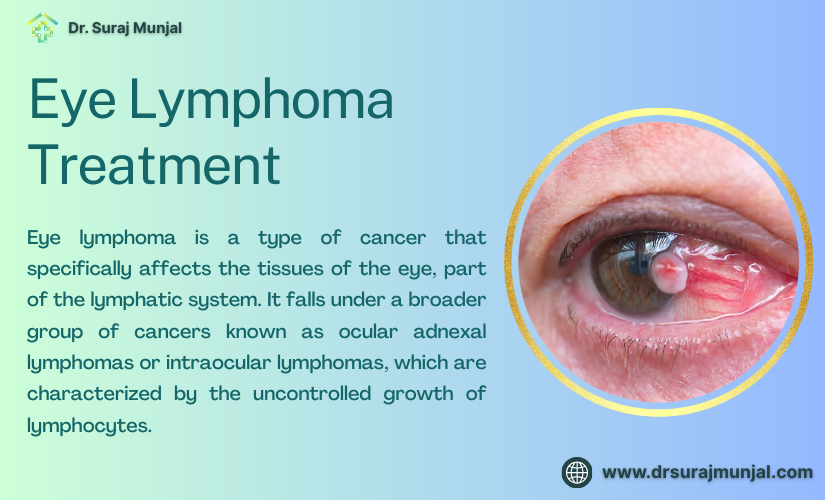
Eye lymphoma is a rare yet severe form of cancer that develops in or around the eye. It is a subset of non-Hodgkin’s lymphoma and often affects older adults or individuals with weakened immune systems. Eye lymphoma may arise directly in the eye (known as primary intraocular lymphoma) or may spread to the eye from other parts of the body (referred to as secondary eye lymphoma). Due to its subtle symptoms and uncommon occurrence, eye lymphoma is often diagnosed late, which makes timely and accurate treatment essential.
The good news for international patients is that India offers highly advanced and affordable options for eye lymphoma treatment. From world-class cancer hospitals to skilled ocular oncologists, India has become a trusted hub for foreign patients seeking quality care at a lower cost.
The cost of eye lymphoma treatment in India typically ranges between $3,500 and $9,000, depending on the patient’s condition, stage of the disease, type of treatment required (chemotherapy, radiation, targeted therapy), hospital location, and oncologist’s experience.
Patients from countries such as Iraq, Nigeria, Bangladesh, Kenya, and the UAE have found India to be not only medically competent but also cost-effective, often saving up to 70% compared to treatment expenses in the USA, UK, or Europe. Hospitals also offer comprehensive international patient support, making it easier to receive a diagnosis and treatment without delays.
Table of Contents
What Is Eye Lymphoma?
Eye lymphoma is a type of cancer that specifically affects the tissues of the eye, part of the lymphatic system. It falls under a broader group of cancers known as ocular adnexal lymphomas or intraocular lymphomas, which are characterized by the uncontrolled growth of lymphocytes.
There are two main types of eye lymphoma:
Primary Intraocular Lymphoma (PIOL)
This type originates inside the eye itself, usually affecting the retina, vitreous humor, or optic nerve. It is most often associated with Primary Central Nervous System Lymphoma (PCNSL) and can be aggressive in nature. PIOL is more commonly seen in people with weakened immune systems, such as elderly patients or those with HIV/AIDS or organ transplant recipients on immunosuppressive medications.
- Symptoms may include: blurred vision, floaters, eye pain, or even vision loss.
- Diagnosis can be challenging due to its resemblance to uveitis or other inflammatory eye diseases.
Secondary Eye Lymphoma
This form occurs when lymphoma from another part of the body (such as the lymph nodes, brain, or bone marrow) spreads to the eye. It is less common than PIOL but still requires urgent and specialized treatment. It may involve the orbit (eye socket), conjunctiva, or lacrimal glands, and is often seen in patients with systemic non-Hodgkin’s lymphoma.
What are the Symptoms and Early Warning Signs of Eye Lymphoma?
Eye lymphoma can be challenging to detect in its early stages because its symptoms closely resemble those of more common eye conditions like uveitis or retinal infections. It often leads to misdiagnosis or delayed treatment. However, recognizing early warning signs can lead to quicker intervention and better outcomes.
Common Symptoms of Eye Lymphoma
- Blurred or cloudy vision that worsens over time and does not improve with glasses or eye drops.
- Floaters in the field of vision, appearing as small spots, threads, or cobweb-like shadows.
- Persistent redness or inflammation of the eye, often misdiagnosed as chronic conjunctivitis or uveitis.
- Eye pain or discomfort, especially in the back of the eye or around the orbit.
- Loss of peripheral vision or sudden blackouts in certain parts of the visual field.
- Sensitivity to light (photophobia) and watery eyes.
- Bulging of the eye (proptosis) occurs if the tumor is located in the orbit.
- Drooping of the eyelid, especially in cases of orbital lymphoma.
- Double vision due to involvement of extraocular muscles or nerves.
These symptoms may occur in one or both eyes and may fluctuate over time. Some patients report sudden changes, while others experience slow, progressive symptoms over weeks or months.
Because these signs can mimic non-cancerous eye conditions, patients, especially those with weakened immune systems, should seek a second opinion from an ocular oncologist if symptoms persist or worsen despite treatment.
How is Eye Lymphoma Diagnosed?
Diagnosing eye lymphoma involves a series of advanced tests and imaging procedures that help distinguish it from other inflammatory or infectious eye conditions. Accurate diagnosis is critical, as treatment protocols vary significantly depending on the type and spread of the lymphoma. Key diagnostic steps include:
- Comprehensive Eye Examination: An ophthalmologist will begin by checking your visual acuity and eye pressure, and then perform a detailed slit-lamp examination to assess the retina, vitreous, and optic nerve.
- Fundus Photography and Fluorescein Angiography: This test helps detect abnormal blood vessels or retinal swelling, which may suggest lymphoma infiltration.
- Optical Coherence Tomography (OCT): OCT provides cross-sectional images of the retina, enabling the detection of subtle structural changes, including retinal thickening or detachment, which can be caused by cancer cells.
- MRI or CT Scan of the Brain and Orbits: Imaging is crucial for identifying whether the lymphoma has extended into the optic nerve, brain, or orbital structures. MRI is preferred due to its superior soft-tissue resolution.
- Vitreous or Retinal Biopsy: A vitreous tap or pars plana vitrectomy is often done to collect fluid or tissue samples. These are then sent for:
- Cytology (to look for malignant lymphocytes)
- Flow cytometry
- Immunohistochemistry
- Molecular studies (like PCR or gene rearrangement tests)
- Blood Tests and Bone Marrow Biopsy: If systemic lymphoma is suspected, CBC, LDH levels, and bone marrow biopsy may be recommended to check for spread beyond the eye.
How Fast Is the Diagnosis?
With India’s advanced diagnostic infrastructure, all tests can typically be completed within 3 to 5 days, enabling the initiation of treatment without unnecessary delay. Hospitals often bundle diagnostics into a single package for international patients to reduce stress and speed up the process.
What are the Treatment Options Available for Eye Lymphoma?
Treatment for eye lymphoma is based on the type (primary or secondary), location (intraocular or orbital), spread (localized or systemic), and the patient’s overall health condition. Indian cancer centers offer the same state-of-the-art treatments used in top hospitals worldwide, often combining medical oncology, radiation therapy, and ocular interventions for the best outcomes.
Chemotherapy
Chemotherapy remains a cornerstone of treatment. In India, patients may receive:
- Systemic chemotherapy (via IV) for lymphomas that have spread to the brain or body.
- Intraocular chemotherapy (directly into the eye) using agents like methotrexate or rituximab, especially for Primary Intraocular Lymphoma (PIOL).
Most patients require multiple cycles over several weeks, with supportive medications to manage side effects. Indian oncologists utilize NCCN and ESMO-recommended protocols, ensuring globally accepted standards of care.
Radiation Therapy
Targeted external beam radiation therapy (EBRT) is often used for localized eye lymphomas, especially when chemotherapy is contraindicated. India’s top hospitals use linear accelerators (LINACs) to deliver precise doses while sparing healthy tissues. Radiation can be especially effective in MALT lymphoma of the conjunctiva or orbit, often resulting in long-term remission.
Targeted Therapy
Monoclonal antibodies such as rituximab are commonly used, especially in B-cell lymphomas. India offers both originator and biosimilar drugs, making treatment more cost-effective without compromising results. Targeted drugs are typically administered through IV infusions and may be used alone or alongside chemotherapy.
Immunotherapy and Advanced Options
In cases that are resistant or recurrent, CAR T-cell therapy or immunomodulators, such as lenalidomide, may be considered. Although not first-line for most cases of eye lymphoma, they are available in India at select cancer centers.
Supportive and Palliative Care
For patients with advanced disease or comorbidities, Indian hospitals also provide palliative radiotherapy, pain management, and vision rehabilitation services. These services are tailored to improve quality of life and reduce discomfort.
What is the Cost of Eye Lymphoma Treatment in India?
India offers highly affordable treatment options for eye lymphoma compared to most Western countries, without compromising on technology, safety, or outcomes. The total cost can vary based on the chosen treatment protocol, hospital location, doctor’s expertise, and duration of care.
The cost of eye lymphoma treatment in India typically ranges between $3,500 and $9,000. This range encompasses diagnosis, hospital stay, treatment, follow-up care, and medications for a standard treatment course. The use of advanced drugs, premium facilities, or extended care may increase the cost.
What’s Included in the Package:
- Specialist consultations and surgical oncologist/ophthalmologist fees
- Diagnostic tests (OCT, MRI, biopsy, blood work)
- Chemotherapy drugs (intraocular/systemic) or targeted agents
- Radiation therapy sessions (if required)
- Daycare procedures and hospital stay (if admitted)
- Pre- and post-treatment medications
- Follow-up consultations for recovery monitoring
- Interpretation services and international patient coordinator
Not Included (Optional Add-ons):
- CAR T-cell therapy (for rare cases)
- Premium room upgrades or private ward
- Long-term accommodation for caregiver/family
- Travel and food expenses outside the hospital
- Post-treatment rehabilitation or vision therapy (if needed)
Indian hospitals often offer fixed-price packages for international patients, ensuring transparency and ease of planning. These bundled plans can help reduce stress and avoid unexpected bills.
Cost Breakdown of Eye Lymphoma Treatment in India
The average eye lymphoma treatment cost in India ranges between ₹2,80,000 and ₹7,50,000, or approximately $3,500 to $9,000. Many hospitals offer combined packages to simplify the process for medical tourists. If CAR T-cell therapy or advanced genetic testing is needed, the cost can be higher. However, even at the top tier, treatment in India remains significantly more affordable than in most Western countries.
- Initial diagnostic tests, including Optical Coherence Tomography (OCT), MRI of the orbits and brain, and vitreous biopsy, generally cost around ₹30,000 to ₹60,000 ($360 to $720). These tests are essential to accurately confirm whether the patient has primary intraocular lymphoma or secondary orbital lymphoma.
- The consultation and evaluation charges with leading ocular oncologists and hematologists can range from ₹5,000 to ₹15,000 ($60 to $180). These fees usually include detailed eye examinations, review of scans, second opinions, and multidisciplinary treatment planning.
- For patients undergoing intraocular chemotherapy, the cost per cycle can be ₹80,000 to ₹1,50,000 ($960 to $1,800). These injections (usually Methotrexate or Rituximab) are administered directly into the eye under sterile conditions, requiring a surgical ophthalmologist and an oncology team.
- If the patient requires systemic chemotherapy, such as CHOP or HD-MTX protocols, the cost per cycle is approximately ₹50,000 to ₹1,20,000 ($600 to $1,450). It includes the cost of chemotherapy drugs, pre-medications, day-care infusion charges, oncologist supervision, and side effect management.
- In some cases, targeted therapy using monoclonal antibodies like Rituximab is required. A single dose of Rituximab in India can cost between ₹1,50,000 and ₹3,00,000 ($1,800 to $3,600), depending on whether you’re using the originator drug or a high-quality biosimilar brand. These drugs are highly effective for B-cell non-Hodgkin lymphoma of the eye.
- If radiation therapy is part of the treatment plan, the total cost for a complete course (20–30 fractions) using modern LINAC-based external beam radiotherapy will cost between ₹1,20,000 and ₹2,00,000 ($1,450 to $2,400). It is mainly used in cases like MALT lymphoma of the conjunctiva or orbital lymphomas that do not respond fully to chemotherapy.
- Supportive medications, including antifungals, antibiotics, steroids, pain management, and eye drops, usually cost between ₹20,000 and ₹50,000 ($240 to $600) throughout treatment.
- For international patients needing a hospital stay, the room charges and daycare procedure fees for 5–7 days can cost ₹40,000 to ₹80,000 ($480 to $960), depending on the hospital class (general ward, semi-private, or deluxe room).
|
Component |
Estimated Cost (INR) |
Estimated Cost (USD) |
|
Diagnostic tests (OCT, MRI, Biopsy) |
₹30,000 – ₹60,000 |
$360 – $720 |
|
Consultation & Evaluations |
₹5,000 – ₹15,000 |
$60 – $180 |
|
Intraocular Chemotherapy (per cycle) |
₹80,000 – ₹1,50,000 |
$960 – $1,800 |
|
Systemic Chemotherapy (per cycle) |
₹50,000 – ₹1,20,000 |
$600 – $1,450 |
|
Targeted Therapy (e.g., Rituximab) |
₹1,50,000 – ₹3,00,000 |
$1,800 – $3,600 |
|
Radiation Therapy (Full Course) |
₹1,20,000 – ₹2,00,000 |
$1,450 – $2,400 |
|
Supportive Care & Medications |
₹20,000 – ₹50,000 |
$240 – $600 |
|
Daycare/Room Charges (5–7 days) |
₹40,000 – ₹80,000 |
$480 – $960 |
|
Total Estimated Cost Range |
₹2,80,000 – ₹7,50,000 |
$3,500 – $9,000 |
What are the Factors Affecting the Cost of Eye Lymphoma Treatment in India?
While India offers one of the most cost-effective solutions for treating eye lymphoma, several variables can influence the final cost a patient may incur. Understanding these factors helps in budgeting and planning for medical travel.
- Type and Stage of Eye Lymphoma: Patients with primary intraocular lymphoma may require specialized chemotherapy directly into the eye, while secondary eye lymphoma might need systemic treatment. Advanced stages or widespread disease increase overall treatment duration and cost.
- Treatment Protocol Chosen: Targeted therapy drugs like Rituximab or Obinutuzumab are more expensive than traditional chemotherapy. If radiation is necessary, the use of advanced linear accelerators (LINAC) or IMRT (Intensity-Modulated Radiation Therapy) may result in a slight increase in cost. CAR T-cell therapy (if applicable) is significantly costlier and may be suggested in rare refractory cases.
- Hospital Location and Infrastructure: Premier cancer centers in metro cities like Delhi, Mumbai, and Bangalore may have slightly higher costs than hospitals in Tier 2 cities, though both offer excellent standards of care.
- Oncologist's Expertise: Top-tier ocular oncologists and hemato-oncologists may charge higher consultation and procedural fees. However, their experience often ensures better diagnostic accuracy and outcomes, justifying the price.
- Inpatient vs. Outpatient Care: Patients who require hospitalization during chemotherapy or radiation will have additional room charges, nursing fees, and support care costs. Outpatient procedures can significantly reduce the cost.
- Duration and Number of Cycles: More aggressive or resistant cancers may require additional treatment cycles, medications, and extended follow-up care, which naturally increases the cost.
Why India Is a Preferred Destination for Eye Lymphoma Treatment
India has emerged as a top global hub for advanced cancer care, including rare conditions like ocular and orbital lymphoma. Thousands of international patients choose India not only for its affordability but for its high-quality care that rivals hospitals in the US, UK, and Europe.
- World-Class Oncology and Ophthalmology Experts: India is home to fellowship-trained ocular oncologists and hemato-oncologists who have treated hundreds of cases of eye lymphoma, often with experience from prestigious institutions like Moorfields (UK), MSKCC (USA), or AIIMS (India). Their multidisciplinary approach ensures personalized and evidence-based care.
- Latest Technology and Infrastructure: Hospitals in India are equipped with the same cutting-edge technologies found in the West—Visumax OCT, PET-CT scans, automated infusion pumps, and LINAC radiation systems. Most major hospitals are NABH and JCI-accredited, meeting the highest safety and infection control standards.
- Multilingual Support and Seamless Coordination: From Arabic to French and Swahili, hospitals in Delhi, Mumbai, and Chennai offer dedicated international patient departments, ensuring smooth communication, airport pickup, visa assistance, and translator support throughout your stay.
- No Waiting Time and Faster Diagnosis: Unlike countries where rare lymphoma cases involve long referral delays, India offers immediate appointments, same-day diagnostic imaging, and biopsy evaluations within 72 hours. It reduces stress and speeds up treatment initiation, crucial for aggressive or rapidly progressing disease.
International Patient Services for Eye Lymphoma Treatment in India
Hospitals in India have developed a highly organized ecosystem to cater to the needs of international patients seeking specialized treatments like eye lymphoma care. These services are designed to ensure a smooth, stress-free medical journey for patients and their families, from the first point of contact until recovery.
- Dedicated International Patient Desk: Each major hospital has a separate international desk that assigns a personal care coordinator to every patient. This individual becomes your single point of contact, assisting with scheduling consultations, diagnostics, and treatments.
- Medical Visa Assistance: Hospitals issue a visa invitation letter as soon as your treatment plan is shared, making it easier for you to secure a medical visa for India. They also provide guidance on documentation and embassy procedures in your home country.
- Airport Pickup and Transfers: Patients arriving in India are greeted at the airport and provided with private transport to the hospital or hotel. This service is available 24/7 and ensures safety and convenience, especially for elderly or vision-impaired individuals.
- Translation and Interpretation: Language is never a barrier. Hospitals offer professional interpreters fluent in Arabic, French, Swahili, Russian, Bangla, and many other languages. All your consultations, reports, and consent forms are explained in your native tongue.
- Assistance with Accommodation: Affordable hotel stays, guesthouses, or hospital-based serviced apartments are arranged close to the treatment center. These are selected based on your budget, dietary preferences, and proximity to the hospital.
- Customized Treatment Packages: Patients receive clear and itemized treatment estimates upfront, with all services included—diagnostics, therapy, doctor fees, medications, and post-treatment checkups. There are no hidden charges or surprise costs during your stay.
- Daily Support and Hospital Navigation: Your assigned coordinator ensures that you are guided through each step—whether it's locating your next department, collecting reports, or understanding prescriptions. It is beneficial in large multi-specialty hospitals.
- Post-Treatment Care and Online Follow-Up: Once treatment is complete and you return to your home country, most hospitals continue supporting you through online video consultations with your doctors and remote report reviews. Any complications or questions can be addressed from afar.
These international services have helped thousands of patients from countries like Nigeria, Kenya, Iraq, Uzbekistan, Bangladesh, and the UAE to receive safe, high-quality, and cost-effective eye lymphoma treatment in India, with peace of mind throughout their journey.
What is the Success Rate and Recovery Timeline of Eye Lymphoma Treatment in India?
The success rate of eye lymphoma treatment in India is high, especially when detected early and treated at a specialized center. With advanced therapies and a team-based treatment model, Indian hospitals offer outcomes that match global standards.
Average Success Rate in India
- For Primary Intraocular Lymphoma (PIOL), the remission rate with chemotherapy and targeted therapy is around 80%–90%, especially in B-cell types.
- For MALT-type orbital lymphoma, localized radiation therapy alone achieves 95% long-term control, with minimal side effects.
- For secondary lymphomas, outcomes depend on systemic disease response, but India’s success rates still exceed 70%–85%, with proper immunochemotherapy.
Recovery Timeline
- Initial Treatment Phase: Most patients complete their first cycle of chemotherapy or radiation within 3 to 4 weeks of diagnosis.
- Remission Monitoring: Regular OCT scans, blood tests, and sometimes bone marrow evaluations are scheduled every 3–6 months for 1–2 years.
- Functional Recovery: Vision improvements may occur gradually over 6 to 12 weeks, depending on tumor location and treatment type.
- Return to Normal Activities: Most patients can resume non-strenuous work or travel within 4 to 6 weeks, although some may require vision aids or counseling.
Long-Term Outlook
Patients treated for localized eye lymphoma in India enjoy a 5-year survival rate of over 80%, provided there is no CNS involvement or late-stage systemic spread. Advanced therapies and early detection further improve the prognosis.
Real Patient Story – International Patient from Nigeria
Name: Samuel A.
Age: 52
Country: Nigeria
Diagnosis: Primary Intraocular Lymphoma (B-cell type)
Samuel had been experiencing blurry vision, floaters, and pain in one eye for months. Local doctors initially suspected uveitis but failed to control the inflammation. After several inconclusive scans in Lagos, he was referred to the Sight Avenue Hospital, New Delhi, by a family member who had undergone cancer treatment previously.
Upon arrival, Samuel’s diagnosis was quickly confirmed using OCT imaging, vitreous biopsy, and MRI. Within 5 days, he began intraocular methotrexate chemotherapy, along with systemic rituximab to prevent CNS spread.
His treatment lasted 6 weeks. By the end of the 3rd week, his vision improved significantly. Post-treatment scans showed complete remission, and he was advised to have regular checkups every 6 months.
“I was scared when I heard it might be cancer inside my eye. But the doctors in India explained everything in detail, and their confidence gave me hope. I couldn’t believe how fast everything moved—from diagnosis to treatment—and the care I received was better than any I had before,” says Samuel.
His total treatment cost, including stay, interpretation, drugs, and follow-ups: $6,800, almost 70% less than what was quoted in South Africa.
Frequently Asked Questions
Yes. Many types of eye lymphoma, especially low-grade MALT lymphomas and localized B-cell intraocular lymphomas, are curable with early diagnosis and prompt treatment. India offers the same protocols used globally, with excellent outcomes.
The cost of eye lymphoma treatment in India ranges from $3,500 to $9,000, depending on the type of treatment—chemotherapy, targeted therapy, or radiation. It is significantly more affordable than in the US, UK, or UAE.
Most patients stay in India for 3 to 4 weeks, including diagnostics, treatment sessions, and follow-up evaluations. Some may extend based on treatment cycles or recovery needs.
India’s top cancer centers use advanced imaging like OCT, MRI, PET-CT, and LINAC-based radiation systems. Targeted drugs such as Rituximab and intraocular chemotherapy are also available.
Yes. Most hospitals offer all-inclusive international patient packages covering diagnosis, treatment, stay, medications, interpreter support, airport pickup, and follow-up care.
Absolutely. India’s leading hospitals are NABH or JCI-accredited, following global safety protocols. The specialists treating eye lymphoma have years of experience handling complex cancer cases safely.
In many cases, vision improves post-treatment. However, if lymphoma has caused significant damage before diagnosis, full recovery may not be possible. Rehabilitation and low-vision support are offered in such cases.
