Dry Eye Treatment Cost in India
Dry eye syndrome is a common condition that causes discomfort, blurry vision, and irritation due to insufficient tear production or poor tear quality. While often perceived as a minor nuisance, untreated dry eyes can have a profound impact on daily life, particularly when they lead to chronic inflammation or corneal damage. Fortunately, India offers a wide range of effective treatments for dry eye, ranging from medical management to advanced procedures such as punctal plugs, LipiFlow therapy, and intense pulsed light (IPL) treatment.
The cost of dry eye treatment in India ranges from ₹2,000 to ₹45,000 (approximately $25 to $540), depending on the severity of the condition and the type of treatment chosen. Conservative methods, such as lubricating eye drops and medications, are very affordable, while more advanced therapies, like LipiFlow and PRP eye drops, are available at a fraction of international prices.
India’s combination of affordable pricing, skilled ophthalmologists, and access to world-class eye care technology has made it a popular destination for international patients dealing with persistent or chronic dry eye disease.
Table of Contents
What Is Dry Eye and Its Treatment Options?
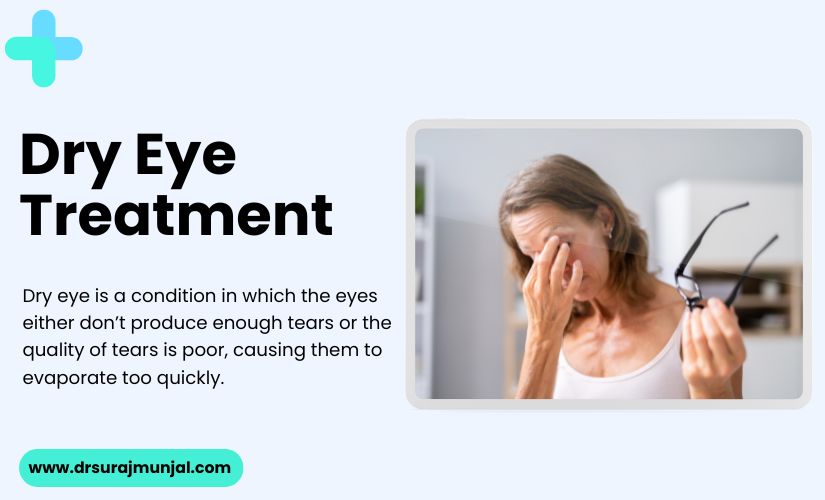
Dry eye is a condition in which the eyes either don’t produce enough tears or the quality of tears is poor, causing them to evaporate too quickly. The imbalance leads to irritation, a gritty sensation, blurred vision, and sometimes even redness or excessive tearing as a reflex response.
The tear film consists of three crucial components: oil, water, and mucus. When any of these layers is disrupted, the surface of the eye becomes dry and unstable, making it difficult to maintain clear, comfortable vision. Environmental factors, such as air conditioning, screen time, aging, certain medications, or autoimmune disorders, can all contribute to this issue.
Medical Management
Most cases begin with conservative treatment. Artificial tear eye drops, gels, and ointments are used to lubricate the eyes throughout the day. In moderate cases, doctors may prescribe anti-inflammatory eye drops such as cyclosporine or lifitegrast, which help improve tear production and reduce surface inflammation. Omega-3 supplements and oral medications that stimulate glands may also be added.
Punctal Plug Insertion
This is a minor, non-surgical procedure where tiny plugs are placed in the tear ducts to prevent tears from draining too quickly. It helps retain natural moisture on the eye surface, offering relief especially in moderate to severe cases. The procedure is quick, painless, and can be either temporary or permanent.
LipiFlow® Thermal Pulsation Therapy
For patients with Meibomian Gland Dysfunction (MGD)—a major cause of evaporative dry eye—LipiFlow offers targeted relief. The device uses heat and gentle massage to unclog oil glands in the eyelids. It’s a one-time, 12-minute in-clinic procedure that often provides lasting results for several months.
Intense Pulsed Light (IPL) Therapy
Initially used in dermatology, IPL is now applied to treat dry eye caused by inflammation around the eyelid area. Pulsed light helps reduce abnormal blood vessels, decrease inflammation, and improve gland function. It’s beneficial in chronic, hard-to-treat cases.
Autologous Serum and PRP Eye Drops
For severe or treatment-resistant dry eye, specially prepared eye drops made from a patient’s own blood (serum or platelet-rich plasma) can provide healing proteins and growth factors. These biologic eye drops promote the regeneration of the eye surface and are customized to meet individual needs.
Lifestyle-Based Support
Alongside medical treatments, adjustments such as reducing screen time, using humidifiers, applying warm compresses, practicing eyelid hygiene, and wearing moisture-wicking glasses can significantly help control symptoms and prevent flare-ups.
What is the Cost of Dry Eye Treatment in India?
The cost of dry eye treatment in India varies based on the cause, severity, and type of treatment needed. For mild to moderate cases managed with artificial tears and medications, the cost is minimal. However, advanced therapies like LipiFlow®, IPL, or autologous serum drops are more expensive.
The average cost of dry eye treatment in India ranges from ₹2,000 to ₹45,000 (approximately $25 to $540). This wide range reflects the individualized nature of care—some patients only need lubricating eye drops, while others may require specialized procedures for long-term relief.
What’s Typically Included in the Cost?
Most reputable eye clinics offer a structured approach to dry eye care, and the cost often includes the following:
- Detailed Eye Evaluation and Diagnostics: This typically includes tear break-up time (TBUT), Schirmer’s test, ocular surface staining, meibography, and gland imaging to identify the underlying cause of dry eye.
- Consultation Fee: One-on-one consultation with an ophthalmologist or dry eye specialist to review symptoms, diagnosis, and personalized treatment planning.
- Medical Treatment (if applicable): Includes lubricating drops, anti-inflammatory eye medications, or oral supplements depending on your treatment plan.
- In-Clinic Procedures: If you are undergoing therapies such as LipiFlow®, punctal plugs, or IPL, the package will include device usage, consumables, and procedure charges.
- Follow-Up Visit(s): Most hospitals include one or two post-treatment reviews within a set period to monitor healing and treatment effectiveness.
Optional Add-Ons or Exclusions
Some high-end treatments or biologic eye drops like autologous serum or PRP are prepared externally and may be billed separately. Additionally, long-term medications, recurring visits, or specialized imaging may incur an extra charge.
Patients traveling internationally should also account for stay, travel, and interpreter services separately—unless they are part of a bundled medical tourism package.
Dry Eye Treatment Cost Breakdown in India
The cost of treating dry eye in India depends on the type of intervention required—ranging from simple medication to advanced in-clinic therapies.
- Artificial Tear Drops and Lubricants: These are the first-line treatment options and are highly affordable. A month’s supply usually costs between ₹300 and ₹800 ($4–$10), depending on the brand and frequency of use.
- Anti-inflammatory Eye Drops (e.g., Cyclosporine, Lifitegrast): These prescription drops help reduce ocular inflammation and improve tear production. They typically cost ₹1,500 to ₹3,500 ($18–$42) per month.
- Oral Omega-3 Supplements: Often recommended in conjunction with drops, these cost around ₹500 to ₹1,500 ($6–$18) per month.
- Punctal Plug Insertion: This minor, in-clinic procedure blocks tear drainage ducts to retain natural moisture. The cost per eye ranges from ₹5,000 to ₹12,000 ($60–$145), depending on whether temporary or permanent plugs are used.
- LipiFlow® Thermal Pulsation Therapy: A single session of LipiFlow, designed to unblock the meibomian glands, usually costs ₹30,000 to ₹45,000 ($360–$540). It may be repeated annually if symptoms return.
- Intense Pulsed Light (IPL) Therapy: IPL for dry eye is typically delivered in 3–4 sessions. Each session costs between ₹8,000 and ₹12,000 ($95–$145), with full treatment plans ranging up to ₹40,000 ($480).
- Autologous Serum or PRP Eye Drops: Prepared from the patient’s blood, these custom eye drops cost approximately ₹10,000 to ₹25,000 ($120–$300) for a few weeks’ supply, depending on formulation and lab fees.
- Advanced Imaging and Diagnostic Tests: Detailed tests such as meibography, tear osmolarity, or ocular surface staining can cost ₹1,000 to ₹3,000 ($12–$36) as part of the evaluation.
|
Treatment / Service |
Estimated Cost (INR) |
Estimated Cost (USD) |
Notes |
|
Artificial Tear Drops (1 month supply) |
₹300 – ₹800 |
$4 – $10 |
Varies by brand and usage |
|
Anti-Inflammatory Eye Drops (Rx) |
₹1,500 – ₹3,500 |
$18 – $42 |
Includes cyclosporine or lifitegrast |
|
Omega-3 Supplements |
₹500 – ₹1,500 |
$6 – $18 |
Oral capsules or liquids |
|
Punctal Plug Insertion (per eye) |
₹5,000 – ₹12,000 |
$60 – $145 |
Temporary or permanent options available |
|
LipiFlow® Therapy (one session) |
₹30,000 – ₹45,000 |
$360 – $540 |
Single 12-minute thermal treatment |
|
Intense Pulsed Light (IPL) Therapy |
₹8,000 – ₹12,000/session |
$95 – $145/session |
3–4 sessions typically recommended |
|
Autologous Serum / PRP Eye Drops |
₹10,000 – ₹25,000 |
$120 – $300 |
Customized from patient’s blood |
|
Advanced Dry Eye Diagnostics |
₹1,000 – ₹3,000 |
$12 – $36 |
Includes meibography, staining, TBUT, etc. |
Cost Comparison: India vs Other Countries for Dry Eye Treatment
India has quickly become a preferred destination for international patients seeking dry eye treatment—not just for affordability, but also for access to modern equipment, personalized care, and short wait times. While the quality of treatment matches global standards, the overall cost is often significantly lower.
|
Country |
Basic Treatment (Eye Drops, Consults) |
Advanced Therapies (LipiFlow, IPL, PRP) |
Remarks |
|
India |
$25 – $80 |
$180 – $540 |
Affordable, full range of modern treatments, fast access, multilingual support |
|
USA |
$100 – $300 |
$800 – $2,500 |
Most insurance plans don’t cover advanced dry eye care |
|
UK |
$90 – $250 |
$700 – $2,200 |
NHS rarely covers LipiFlow or PRP; long wait times for referrals |
|
UAE |
$120 – $400 |
$1,000 – $2,000 |
Limited availability of biological drops; costly private sector pricing |
|
Thailand |
$70 – $200 |
$600 – $1,500 |
Competitive pricing but often lacks long-term dry eye programs |
|
Singapore |
$150 – $350 |
$900 – $2,000 |
High-quality care, premium costs, not ideal for budget-conscious travelers |
Why Is India More Affordable?
- Lower cost of medical infrastructure allows for more affordable care without compromising on quality.
- Doctors trained in advanced global techniques offer specialized care at a fraction of Western prices.
- Availability of all major therapies, from basic drops to high-end procedures, under one roof.
- Government-supported medical tourism ensures competitive pricing and streamlined international support.
How Much Can You Save in India?
International patients save up to 60–80% on total treatment costs by choosing India over Western nations. Even when factoring in travel and lodging, the final expense is often lower than just the procedure cost in countries like the US or UK.
This makes India an ideal choice not only for affordability but also for personalized, outcome-driven care that aligns with global best practices.
What are the Factors Affecting the Cost of Dry Eye Treatment in India?
The cost of treating dry eye can vary significantly from one patient to another based on several key factors. While India remains one of the most affordable destinations for high-quality eye care, understanding the factors that influence pricing can help patients plan more effectively and avoid unexpected expenses.
Type and Severity of Dry Eye: The more severe or chronic your condition, the more advanced—and therefore, the more expensive—the treatment may be. Mild dry eye may only require artificial tears or anti-inflammatory drops, while moderate to severe cases may require procedures such as LipiFlow, IPL, or PRP. Patients with underlying causes like Meibomian Gland Dysfunction or autoimmune disease often need multi-modal treatment, which increases costs.
Chosen Treatment Method: Each type of therapy comes with its own price tag. Eye drops and oral supplements are relatively low-cost and recurring, whereas device-based treatments, such as LipiFlow or IPL, involve a one-time, higher upfront fee. Autologous serum or PRP drops also add lab preparation charges. Patients selecting premium, long-lasting options will naturally pay more than those choosing conservative management.
Number of Sessions or Duration of Care: Certain treatments, such as IPL or PRP eye drops, may require multiple sessions or follow-ups over several weeks. The overall cost rises with the number of sittings, lab preparations, and frequency of specialist visits. Long-term treatment plans may also include periodic diagnostic tests to monitor progress, which adds to the total expense.
Clinic Location and Infrastructure: Eye clinics in major Indian cities, such as Delhi, Mumbai, and Bangalore, may charge slightly more due to higher operating costs and advanced infrastructure. However, they also tend to offer the latest diagnostic equipment and specialized care teams. Clinics in smaller cities may offer more economical pricing but have fewer in-house options for advanced procedures.
Technology and Equipment Used: Clinics that utilize advanced diagnostic tools such as meibography, tear osmolarity analyzers, and ocular surface imaging tend to include these in their evaluation packages. Similarly, high-end treatment technologies, such as LipiFlow or IPL machines from global manufacturers, contribute to the cost due to their precision and effectiveness.
Specialist Experience and Expertise: Ophthalmologists with years of experience in managing dry eye disease and related conditions may charge a higher consultation fee. However, their insight can reduce trial-and-error in treatment and lead to faster, more lasting relief—making it cost-effective in the long run.
Medication and Product Brands: Prescription medications and tear substitutes are available at a wide range of prices. Generic versions are generally more affordable, while international brands may be more expensive. Some patients may need preservative-free drops, which are typically priced higher but are gentler on sensitive eyes.
Customization and Lab-Based Therapies: Treatments such as autologous serum or PRP eye drops require blood processing in specialized laboratories. These customized solutions incur additional costs for lab handling, packaging, and refrigeration, which vary depending on the hospital's in-house capabilities or external lab partnerships.
Why Choose India for Dry Eye Treatment?
India offers a compelling combination of affordability, expertise, and technology in treating dry eye disease. Patients from around the world choose India not just because it’s cost-effective, but because it provides high-quality care with personal attention and international-level protocols.
- Access to Modern Technologies: India is home to clinics equipped with advanced diagnostic and treatment tools for dry eye, including meibography, tear film analysis, LipiFlow®, IPL therapy, and PRP eye drop preparation. These technologies help identify the root cause of symptoms, allowing for targeted therapy that delivers long-lasting relief.
- Expertise in Chronic and Complex Cases: Indian ophthalmologists regularly treat a large volume of patients with dry eyes, including those with severe, post-surgical, or autoimmune-related conditions. Their extensive experience helps reduce trial-and-error in treatment and increases the chance of early relief. Many have trained or collaborated with leading global eye institutes, bringing best-in-class care to both local and international patients.
- Affordability Without Compromise: From basic eye drops to advanced procedures like thermal pulsation and customized biological eye drops, India offers a full spectrum of treatment options at a fraction of the global cost. Patients can access premium solutions without sacrificing quality, making it easier to manage long-term or recurring symptoms without financial strain.
- Personalized and Timely Care: Unlike many healthcare systems where patients face long wait times, Indian clinics typically offer quick consultations, same-week scheduling for procedures, and timely follow-ups. Treatment plans are customized based on the patient’s tear film profile, gland health, and overall lifestyle needs.
- English-Speaking Doctors and Multilingual Support: English is widely spoken in India’s medical community, ensuring easy communication for international patients. Many hospitals also offer language support for Arabic, French, Russian, Swahili, and other languages, making the experience smoother and more comfortable.
- End-to-End Support for International Patients: From visa assistance and airport pickup to post-treatment virtual follow-ups, patients receive complete logistical and medical support. This allows international visitors to focus entirely on their healing, while the hospital team handles coordination and continuity of care.
What is the Success Rate of Dry Eye Treatment in India?
Dry eye disease can be frustrating to live with, especially when symptoms persist despite basic care. Fortunately, India has emerged as a reliable destination for successful dry eye management, thanks to its patient-specific treatment approach and use of modern technologies. The success rate in India varies depending on the underlying cause of the condition and the type of therapy used; however, most patients experience substantial improvement in both comfort and visual quality.
How Is Success Measured in Dry Eye Treatment?
Unlike a surgical outcome that’s measured in numbers (such as 20/20 vision), dry eye treatment success is based on symptom relief, improved tear quality, reduced dependence on artificial tears, and an enhanced quality of life. In India, clinics use objective tests like:
- Tear Break-Up Time (TBUT)
- Meibomian gland imaging
- Ocular surface staining
- Symptom severity scoring scales
These help quantify improvement over time and guide ongoing treatment if needed.
Success with Medical Management
For mild to moderate dry eye caused by lifestyle factors or screen overuse, success rates with artificial tears and medications are over 85%. Patients typically report noticeable relief within 2–4 weeks of consistent use, especially when combined with lifestyle modifications such as blinking exercises, reduced screen time, and proper eyelid hygiene.
Success with Punctal Plugs
Punctal plug insertion offers quick and effective relief for many patients with aqueous-deficient dry eye. In India, the procedure has a success rate of 80–90%, with patients often experiencing longer tear retention and reduced reliance on drops. It is particularly beneficial for older adults and those with autoimmune-related dryness.
Success with LipiFlow and Thermal Therapies
For evaporative dry eye caused by Meibomian Gland Dysfunction (MGD), LipiFlow® therapy has a global reputation—and India is no exception. Most patients report symptom improvement of 70–85% after just one session. Relief can last several months, and follow-up sessions are typically only needed in chronic cases.
Success with IPL Therapy
Intense Pulsed Light (IPL) is gaining popularity in India for treating inflammation-related dry eye. When performed by experienced professionals, IPL shows 75–90% improvement in tear stability and gland function over a series of sessions. Patients also report reduced redness and eyelid inflammation.
Success with Autologous Serum and PRP Eye Drops
These personalized treatments are used in advanced or post-surgical dry eye. In India, clinics offering serum and PRP eye drops report a 75–95% success rate, particularly in cases involving corneal surface damage or neurotrophic keratitis. The healing effect of these biologic drops improves comfort and tissue regeneration over time.
Why Success Rates Are High in India
- Use of advanced diagnostic tests ensures accurate targeting of treatment
- Personalized combination therapy—not one-size-fits-all—leads to better outcomes
- Ongoing follow-up and patient education empower long-term disease control
- Affordability allows more patients to opt for advanced, multi-step treatment without financial burden
Patient Testimonials
“Finally, my eyes feel normal again!” — Sarah K., UK
“After years of battling dry eyes and trying dozens of drops, I flew to India for LipiFlow therapy. Within weeks, my eyes felt calmer, less gritty, and I wasn’t reaching for drops every hour. The care I received was compassionate and thorough—much better than what I had experienced before. Highly recommend it to anyone suffering chronically like I did.”
“Quick procedure, lasting comfort.” — Ahmed R., UAE
“I opted for punctal plugs during my medical trip to India. The procedure took just 15 minutes, but the comfort it gave me was long-lasting. My eyes no longer burn when I drive or use the computer. It’s amazing what a simple treatment can do when done right.”
“Personalized and high-tech treatment.” — George T., Kenya
“They diagnosed my Meibomian Gland Dysfunction with imaging I hadn’t seen in my home country. I went through IPL sessions, and my eyelid inflammation reduced drastically. The difference in technology and patient care is what sets India apart.”
Frequently Asked Questions
Dry eye syndrome is a condition where your eyes don’t produce enough tears or the quality of tears is poor. It can lead to irritation, burning, redness, or a gritty sensation in the eyes.
Dry eyes can be caused by aging, prolonged screen time, certain medications, hormonal changes, environmental conditions, or underlying health issues like autoimmune diseases.
Not always. While some people have temporary dry eye due to environmental factors or fatigue, others may have chronic dry eye that requires long-term care. Treatment can significantly reduce discomfort and improve eye health.
Treatment options include artificial tears, medicated eye drops, punctal plugs, thermal pulsation (LipiFlow), serum eye drops, Meibomian gland expression, and IPL therapy. The right option depends on your diagnosis.
No, most treatments are painless and done in a clinic setting. Therapies like LipiFlow or IPL feel warm but are generally comfortable. Recovery is quick, and most people return to normal activities the same day.
The treatment and severity of dry eye disease determine the outcome. Some therapies offer temporary relief, while others, such as punctal plugs or IPL therapy, may provide long-term improvement with occasional maintenance.
Some treatments like artificial tears or eye drops are used regularly. Procedures like IPL or Meibomian gland expression may require 2–4 sessions for lasting results, spaced a few weeks apart.
The cost ranges from $150 to $600 (approximately ₹12,000 to ₹50,000), depending on the procedure and the clinic. Non-invasive treatments, such as artificial tears, are generally less expensive, while advanced therapies like IPL or LipiFlow tend to be more costly.
Most packages cover consultation, diagnostic eye tests, the procedure itself, post-treatment eye drops, and one follow-up session. Travel, stay, or special medications may incur additional costs.
In most countries, insurance may not cover elective or outpatient treatments like dry eye unless it's medically necessary. It’s best to check with your provider. In India, many international patients opt to pay out of pocket due to the affordable rates.
