Double Vision Treatment Cost in India
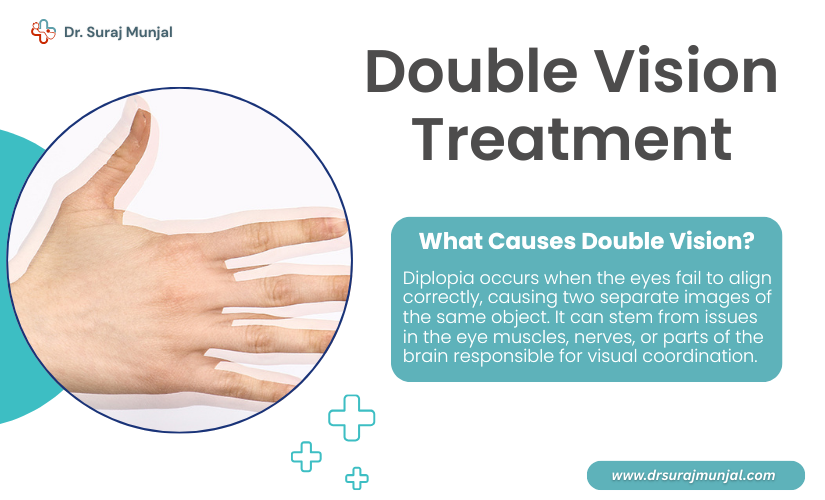
Double vision, also known as diplopia, occurs when a person sees two images of a single object, either side by side or one above the other. The condition can affect one or both eyes and may be caused by problems in the eye muscles, nerves, or the brain. While some cases are temporary and harmless, others may indicate serious neurological or muscular issues that require detailed evaluation and specialized care.
India is recognized globally for offering comprehensive diagnostic and treatment services for double vision at significantly lower costs than in many other countries. Patients receive care from skilled ophthalmologists, utilizing world-class imaging and surgical facilities.
The average cost of double vision treatment in India ranges from $500 to $3,000, depending on the underlying cause, type of therapy, and whether surgical intervention is required. For some patients, prescription glasses or prism lenses are sufficient, while others may need strabismus surgery, botulinum toxin injections, or neurological care.
Table of Contents
What Causes Double Vision?
Diplopia occurs when the eyes fail to align correctly, causing two separate images of the same object. It can stem from issues in the eye muscles, nerves, or parts of the brain responsible for visual coordination. The condition can affect one eye (monocular) or both eyes (binocular), with each type associated with distinct causes.
- Eye Muscle Imbalance: Weakness or paralysis in the muscles controlling eye movement can lead to poor coordination between both eyes. Conditions like strabismus (misaligned eyes) or thyroid eye disease are common causes of this imbalance.
- Nerve-Related Issues: The nerves that control eye movement, such as the oculomotor, trochlear, or abducens nerves, may be affected by medical conditions like diabetes, multiple sclerosis, or brainstem injury. When these nerves are damaged or compressed, the eye muscles may no longer function in harmony.
- Brain Disorders: Since the brain plays a critical role in processing visual information, stroke, brain tumors, aneurysms, or head trauma can disrupt visual alignment and result in double vision. Such causes typically require neurological assessment and imaging.
- Corneal Irregularities: Structural problems with the cornea's surface, such as keratoconus, scarring, or dry eye syndrome, can distort how light enters, especially in cases of monocular diplopia. These conditions can usually be corrected with specialized lenses or corneal procedures.
- Lens and Cataract Issues: In some patients, particularly older adults, cataracts or improperly placed intraocular lenses after surgery can cause ghost images or double vision that appears blurred. Surgical correction may be needed if vision does not improve with glasses.
- Refractive Errors and Astigmatism: Uncorrected vision problems, such as significant astigmatism, may lead to double images in one eye. A detailed eye exam and updated prescription often resolve such cases.
Because diplopia can indicate anything from a minor issue to a serious medical condition, a thorough diagnosis is essential. Early evaluation helps determine whether treatment should be optical, surgical, neurological, or a combination of these.
What Does Double Vision Treatment Include?
Treating double vision involves more than just correcting blurred or misaligned vision; it also addresses the underlying causes of the condition. Once the source of diplopia is identified through clinical evaluation and imaging, a personalized treatment plan is developed. Treatment can range from simple visual aids to surgical or neurological intervention, depending on the diagnosis.
Here’s what a typical double vision treatment plan may include:
Eye Examination and Diagnosis
Every patient begins with a detailed visual assessment, which may include:
- Eye movement tests
- Refraction tests for refractive errors
- Corneal topography (to map the surface of the eye)
- Neurological evaluation if nerve damage or brain involvement is suspected
- Imaging such as CT, MRI, or orbital ultrasound in complex cases
Non-Surgical Treatment Options
Many mild or reversible cases of double vision can be managed without surgery:
- Corrective Lenses: If uncorrected astigmatism or cataracts are the cause, updating the patient’s prescription for glasses may resolve the issue.
- Prism Glasses: Special lenses that realign incoming light, allowing the brain to merge double images into one.
- Eye Patching: Temporarily covering one eye to eliminate double images — used during recovery or while awaiting treatment.
- Vision Therapy: Targeted eye exercises to improve coordination, especially for muscle imbalances or mild strabismus.
Injections and Medications
- Botulinum Toxin Injections (Botox): Used to weaken overactive eye muscles in certain types of misalignment (like sixth nerve palsy). This provides temporary relief or may serve as a bridge before surgery.
- Medications: In cases caused by conditions like myasthenia gravis, steroids or immunosuppressants may be used to restore nerve-muscle function.
Surgical Treatment Options
Surgical procedures are often recommended when non-invasive options are ineffective or when muscle/nerve alignment needs to be corrected:
- Strabismus Surgery: Realigns eye muscles to restore binocular vision. It is a standard and highly effective treatment for chronic or congenital misalignment.
- Cataract Removal or IOL Adjustment: For double vision caused by lens-related issues, cataract surgery or adjustment of the intraocular lens may be necessary.
- Neurological Surgery or Shunt Placement: If a brain tumor or vascular abnormality is responsible, the patient may be referred for neurosurgical intervention.
Follow-Up and Rehabilitation
After treatment, regular follow-up is essential to monitor progress, adjust medications, or manage potential recurrence. Patients may also need:
- Additional prism adjustments
- Repeat eye muscle therapy
- Post-surgical vision correction
- Long-term neurological monitoring in specific cases
Double vision treatment is multi-disciplinary, often involving ophthalmologists, neurologists, and optometrists. Early diagnosis and customized care are key to restoring comfortable, single vision and improving overall quality of life.
What is the Cost of Double Vision Treatment in India?
The cost of treating double vision in India can range from $500 to $3,000 or more, depending on the underlying cause and the chosen treatment method. Non-invasive solutions, such as prism glasses or vision therapy, are relatively affordable, while more complex cases (those requiring strabismus surgery) require higher budgets.
Despite the variability, treatment in India remains significantly more economical than in many Western countries, without compromising on clinical quality or outcomes.
Average Cost Range
- Non-surgical treatment: $100 – $500
- Botox for eye muscles: $300 – $800
- Strabismus surgery: $1,200 – $2,000
- Neurological or specialty interventions: $2,000 – $3,000+
What the Cost Typically Includes
The total cost of double vision treatment in India generally covers the following components:
- Initial ophthalmology consultation and diagnosis
- Specialist evaluations (neurologist or strabismus expert, if needed)
- Diagnostic investigations such as eye scans, imaging, or lab work
- Prescription lenses or prism glasses (if applicable)
- Medical or surgical procedures, including anesthesia and surgeon’s fee
- Hospital or day-care charges (if surgery is required)
- Post-treatment review visits and follow-ups
- Patient support services such as counseling, visual therapy, or rehab guidance
Cost Breakdown of Double Vision Treatment in India
The exact cost of double vision treatment depends on the diagnosis and type of intervention required. Some patients may only need visual aids, while others may require surgical or neurological procedures. Below is a detailed breakdown of the costs associated with double vision treatment in India.
- A basic eye examination with specialist consultation typically costs between $30 and $50.
- Prism lenses or prescription glasses can cost anywhere from $100 to $300, depending on the specific specifications.
- Vision therapy sessions are priced between $30 and $70 per session, and a full course typically includes 6–10 sessions.
- Botulinum toxin injections to treat muscle overactivity are generally priced between $300 and $800, depending on the dose and provider.
- Strabismus surgery (also known as eye muscle surgery) typically ranges from $1,200 to $2,000, which includes pre-surgical tests, the procedure itself, and hospital charges.
- For complex cases involving neuroimaging or neurosurgical consultation, costs may exceed $3,000.
|
Treatment Component |
Estimated Cost (USD) |
|
Initial Consultation & Eye Exam |
$30 – $50 |
|
Prism Glasses / Prescription Lenses |
$100 – $300 |
|
Vision Therapy (per session) |
$30 – $70 |
|
Full Vision Therapy Course (6–10 sessions) |
$200 – $500 |
|
Botulinum Toxin Injections |
$300 – $800 |
|
Strabismus (Eye Muscle) Surgery |
$1,200 – $2,000 |
|
Imaging & Neurological Evaluation |
$150 – $400 |
|
Complex Neuro-Ophthalmic Surgery (if needed) |
$2,000 – $3,000+ |
This flexible cost structure enables patients to select a treatment path that suits both their medical needs and budget. Early diagnosis often results in lower treatment expenses and quicker recovery.
Cost Comparison of Double Vision Treatment – India vs Other Countries
Patients from across the globe choose India for double vision treatment not just because of the quality of care, but also because of its affordability. Treatments that might cost thousands of dollars elsewhere can be accessed here at a fraction of the price, with similar or better medical outcomes. Below is a clear comparison to highlight how India stands out.
|
Country |
Average Cost Range (USD) |
Includes |
|
India |
$500 – $3,000 |
Consultation, diagnostics, glasses, surgery, post-care |
|
United States |
$2,000 – $10,000+ |
Often excludes post-op care and vision therapy |
|
United Kingdom |
$2,500 – $8,000 (Private) |
NHS wait times are long; private care is expensive |
|
Canada |
$2,000 – $7,000 |
Covered for citizens; limited access for non-residents |
|
UAE / Middle East |
$2,500 – $9,000 |
Higher surgical and facility charges |
|
Singapore |
$3,000 – $8,000 |
High-end care with significant service costs |
|
Thailand |
$1,800 – $4,500 |
Popular for regional medical tourism but still pricier than India |
Why the Difference?
- India has lower infrastructure and labor costs but offers internationally accredited hospitals and expert surgeons.
- The availability of complete treatment packages (including consultations, procedures, and rehabilitation) makes India a one-stop destination.
- No long wait times, even for surgeries or specialist evaluations.
What Makes India a Preferred Choice for Double Vision Treatment?
India has become a leading destination for eye care, particularly for complex conditions like double vision. The country offers a unique blend of affordable pricing, skilled medical professionals, and international patient support, which makes it highly attractive for those seeking effective and timely treatment.
- Highly Qualified Specialists: India is home to extensively trained ophthalmologists and neuro-ophthalmologists who specialize in treating eye misalignment, nerve-related vision issues, and muscular disorders causing diplopia. Many have trained or practiced in the UK, the US, or Europe, bringing a global standard of care.
- Advanced Diagnostic Technology: Hospitals and eye centers are equipped with state-of-the-art imaging and testing tools, including OCT scans, MRI, CT scans, and ocular motility analysis, enabling highly accurate diagnoses and tailored treatment plans.
- Transparent and Affordable Pricing: Compared to Western countries, India offers cost savings of up to 70–80% for the same quality of care. Package rates typically include consultation, surgery, medication, and follow-up visits, ensuring complete transparency with no hidden charges.
- Seamless International Patient Services: From visa invitation letters and airport pickup to multilingual support and travel coordination, India’s hospitals offer concierge-level services that make the entire experience stress-free for international patients.
- Minimal Waiting Period: One of the significant advantages in India is fast-track scheduling. Whether it’s a simple evaluation or a surgery, appointments are usually confirmed within days and not months.
- Holistic Care and Rehabilitation: India also offers access to vision therapy, physiotherapy, and wellness support to help patients recover fully and maintain long-term visual alignment and comfort.
What are the Factors Affecting the Cost of Double Vision Treatment in India?
The cost of treating double vision can vary significantly depending on several key factors. Understanding these variables helps patients plan better and make informed financial decisions before starting treatment.
- Underlying Cause of Double Vision: The complexity of the root issue—whether it’s muscular imbalance, nerve damage, or a neurological disorder—greatly influences the total treatment cost. Simple cases requiring only corrective lenses are far more affordable than those involving neurological or surgical issues.
- Diagnostic Investigations Required: Advanced imaging techniques, such as MRI scans, CT scans, or ocular motility tests, may be required to pinpoint the exact cause. The need for these specialized diagnostics can lead to increased overall costs.
- Type of Treatment or Procedure: Non-surgical options, such as prism lenses or vision therapy, are less expensive. However, costs rise significantly if treatments like Botox injections or strabismus surgery are necessary.
- Number of Therapy Sessions or Follow-Ups: Vision therapy or post-treatment rehabilitation often involves multiple sessions. The longer the treatment duration, the higher the cumulative expense.
- Hospital and Facility Type: Choosing a super-specialty eye center, international hospital, or private clinic can significantly influence pricing, as it is often based on reputation, equipment, and patient services.
- Medication and Supportive Care: Additional costs may include prescription drugs, eye drops, lubricants, or pain relievers needed before and after the procedure.
International Patient Support Services in India
Patients traveling from abroad for treatment of double vision receive dedicated support to ensure a stress-free medical journey. Here’s how international care is streamlined:
- Medical Visa Assistance: Hospitals provide visa invitation letters and documentation support to facilitate the quick and legal issuance of medical visas for patients.
- Airport Pick-up and Transfers: Many hospitals provide complimentary airport pickups and drop-offs to simplify the arrival logistics for patients and their families.
- Hotel and Guest House Coordination: Affordable, nearby accommodations are arranged, often in collaboration with hospitals, to ensure patients stay close to their treatment centers.
- Language Interpretation Services: Multilingual staff and interpreters help bridge communication gaps for patients speaking Arabic, French, Swahili, Russian, and other languages.
- Transparent Cost Estimates & Packages: Patients receive pre-arrival quotes with complete cost breakdowns, helping them plan finances with no hidden fees or surprise expenses.
- Teleconsultation Before Arrival: Some centers offer video calls with specialists before travel to assess the case and finalize an appropriate treatment plan in advance.
- Dedicated International Patient Coordinators: Each patient is assigned a personal care coordinator to assist with hospital registration, daily schedules, and discharge procedures.
What is the Success Rate and Recovery Timeline for Double Vision Treatment in India?
Double vision treatment outcomes largely depend on two factors — the root cause of the condition and the type of treatment selected. With the correct diagnosis and a tailored approach, most patients experience excellent recovery and long-term relief. India, in particular, has seen encouraging success rates across both surgical and non-surgical management.
Success Rate of Double Vision Treatment
- Prism Glasses and Vision Therapy: These conservative methods are highly successful in treating refractive or muscular imbalances. The success rate can be as high as 80–90%, especially in patients with binocular diplopia or convergence insufficiency.
- Botulinum Toxin Injections: These injections temporarily weaken overactive eye muscles and are highly effective for conditions like sixth nerve palsy. Success rates range between 70% and 85%, with results typically lasting 3–6 months per injection.
- Strabismus Surgery (Eye Muscle Surgery): In well-selected cases, strabismus surgery has a success rate of 85–95%, especially in adults with stable misalignment or post-traumatic diplopia. Some patients may require minor adjustments or a second procedure to perfect alignment.
- Neurological Treatment: When double vision is caused by conditions such as stroke, multiple sclerosis, or brain tumors, the success of treatment depends on how early it is initiated. Combined neuro-ophthalmological and neurological care typically leads to symptom resolution or control in 60–80% of cases.
- Corneal or Lens-Related Cases: Patients with cataracts, corneal scarring, or keratoconus-induced diplopia can often regain single vision after undergoing corrective surgery or receiving a contact lens fitting. Success in such cases typically depends on the extent of damage, ranging from 75% to 90%.
Recovery Timeline After Double Vision Treatment
The duration of recovery varies depending on the complexity of the case and the chosen treatment route. Below is a typical timeline:
- Immediately After Diagnosis: Patients who receive prism glasses or undergo medical management may begin to notice improvement within a few days to a week.
- Post-Vision Therapy: Vision therapy outcomes typically build gradually over 4 to 8 weeks, depending on the frequency of sessions and patient compliance.
- After Botulinum Toxin Injections: Most patients experience muscle relaxation and symptom relief within 5 to 7 days, with peak improvement typically occurring at 2 weeks.
- Following Strabismus Surgery:
- Initial recovery: 1 to 2 weeks
- Eye alignment stabilization: 4 to 6 weeks
- Complete visual adaptation and follow-up: 2 to 3 months
- Neurological or Complex Cases: Recovery may be slower, primarily when associated with conditions such as stroke or tumors. Patients can expect gradual improvement over 3–6 months, often with continued therapy or support.
Patient Testimonials
International patients who traveled for double vision treatment often speak highly of their outcomes, affordability, and care coordination. Here are a few real-world testimonials that reflect diverse patient journeys and successful recoveries.
Zendaya S. – Nigeria
"I had been struggling with double vision for over six months. Back home, I was told I needed eye muscle surgery, but the cost was too high. Coming here was the best decision I made. Not only was the surgery affordable, but the team explained every step clearly. Within weeks, my vision was fully restored."
Mohammed Al Zahrani – UAE
"After a mild head injury, I started seeing double and couldn’t drive or work properly. I flew in for a neurological eye assessment. The diagnostic process was quick, and Botox injections helped within a week. I’m thankful for the skilled doctors who knew exactly how to manage my condition."
Grace Muthoni – Kenya
"My child was born with an eye alignment issue that led to double vision. The local options were limited and expensive. We came here for strabismus surgery, and the results were better than we expected. The staff was incredibly helpful, and the cost was less than half of what we were quoted back home."
Daniel T. – United Kingdom
"Even with private insurance in the UK, I faced a long wait time for prism correction. I opted to travel instead and was fitted with custom prism lenses in just three days. The team also offered follow-up advice remotely. I appreciated the precision and speed of the whole experience."
Frequently Asked Questions
Double vision, or diplopia, is a visual condition where a person sees two images of a single object. It can affect one or both eyes and may result from muscular, neurological, or structural issues.
Eye muscle problems, nerve damage, brain disorders like stroke, cataracts, corneal irregularities, or trauma can cause double vision.
While some forms are harmless and temporary, persistent or binocular double vision may signal serious neurological or muscular issues and should be evaluated immediately.
Yes, in rare cases, extreme eye strain or fatigue can cause temporary double vision, especially if an underlying condition, such as convergence insufficiency, is present.
Many cases of double vision are reversible with proper diagnosis and treatment, which may include glasses, therapy, medication, or surgery.
Diagnosis involves a detailed eye exam, imaging scans (MRI/CT), and coordination testing to identify muscle, nerve, or structural causes.
Treatment may include prism glasses, vision therapy, Botox injections, strabismus surgery, or neurological care, depending on the root cause.
Recovery can be quick with glasses or Botox (within days), while surgery or neurological cases may take 4 to 12 weeks.
No, many patients improve with non-surgical treatments, such as prism lenses or therapy. Surgery is needed only for muscle misalignment or structural issues.
In most cases, yes. However, some conditions may require ongoing monitoring or repeat therapy for long-term stability.
The average cost ranges from $500 for simple corrections to $3,000 for surgical or neurological treatments, depending on the severity of the condition.
The cost typically includes consultation, diagnostics, corrective lenses or procedures, follow-ups, and supportive care.
Lower labor costs, along with bundled treatment packages, make high-quality care significantly more affordable.
Yes, many hospitals offer packages that cover medical care, airport pickup, visa support, and accommodation assistance.
Some international insurers reimburse treatment overseas. It’s advisable to check with your provider before travel.
