Burning Eyes Treatment Cost in India
Burning eyes are a common yet uncomfortable symptom that can significantly affect day-to-day life. People often describe it as a stinging, heated, or irritating sensation that may be accompanied by redness, dryness, or blurry vision. While the cause may be minor in many cases, such as prolonged screen exposure or dust irritation, persistent or worsening burning eyes can signal an underlying eye condition that requires medical treatment.
In India, the healthcare system offers both basic and advanced treatment options for burning eyes, ranging from over-the-counter lubricants to specialized therapies like Meibomian gland expression and LipiFlow for chronic dry eye. The cost of burning eyes treatment in India typically starts at ₹2000 and may go up to ₹20,000 ($25 – $240) depending on the severity, underlying cause, and choice of hospital or clinic.
India has become a popular destination for both local and international patients seeking high-quality yet affordable eye care. From world-class eye hospitals in cities like Delhi, Chennai, and Hyderabad to experienced ophthalmologists offering precise diagnoses and modern treatments, patients can access timely care without long waiting periods or excessive costs.
Table of Contents
What Are Burning Eyes?
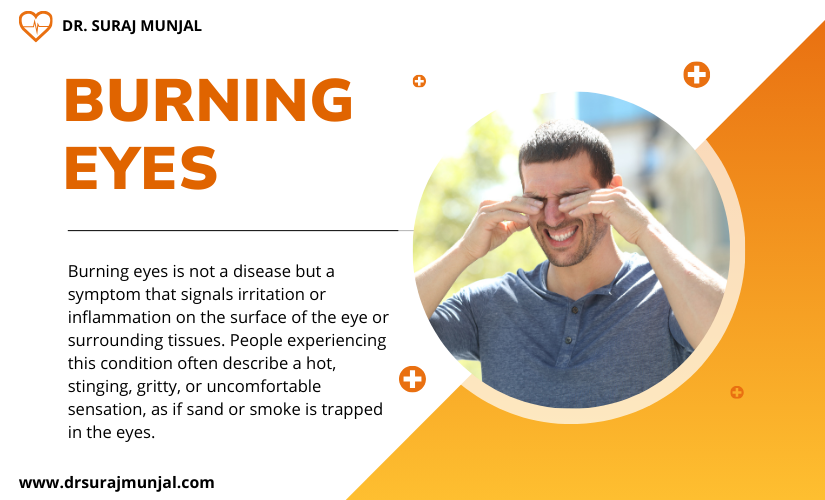
Burning eyes is not a disease but a symptom that signals irritation or inflammation on the surface of the eye or surrounding tissues. People experiencing this condition often describe a hot, stinging, gritty, or uncomfortable sensation, as if sand or smoke is trapped in the eyes. In some cases, it may be mild and intermittent, while in others, it can become severe enough to interfere with reading, working, or even opening the eyes fully.
This symptom can affect one or both eyes, and may occur on its own or along with other signs like:
- Eye redness or bloodshot appearance
- Excessive tearing or watering
- Dryness or tightness
- Blurred or fluctuating vision
- Sensitivity to light (photophobia)
- Itching, swelling, or discharge
What makes burning eyes complex is the wide variety of potential causes behind it. Sometimes, it is triggered by external factors like dust, smoke, or harsh weather, and other times it reflects internal imbalances such as tear film deficiency or eyelid gland dysfunction.
In medical terms, burning eyes often point to problems with the ocular surface, a delicate system that includes the cornea, conjunctiva, tear glands, and eyelids. When this system is disrupted, it leads to discomfort, poor lubrication, and inflammation that manifests as a burning sensation.
Recognizing this symptom early is crucial. While many cases resolve with simple remedies, persistent burning can indicate more serious conditions like chronic dry eye disease, ocular rosacea, blepharitis, or allergic conjunctivitis—all of which require proper diagnosis and targeted treatment.
Why Do Eyes Burn?
Eyes burn when the surface of the eye becomes irritated, inflamed, or inadequately protected by tears. This burning sensation is your body’s way of signaling that something is disturbing the ocular surface.
There isn’t a single cause for burning eyes. In fact, this symptom can arise from multiple unrelated conditions, ranging from simple lifestyle triggers to more serious eye diseases. Here are the most common reasons why your eyes may feel like they are burning:
- Dry Eye Syndrome: This is one of the most frequent causes of burning eyes. It occurs when your eyes fail to produce enough tears, or when the tears evaporate too quickly due to poor quality. Without adequate lubrication, your eyes become dry, inflamed, and irritated. Common triggers include age, extended screen time, air conditioning, or certain medications.
- Allergies: Exposure to allergens like pollen, dust mites, pet dander, mold, or even seasonal changes can cause the eyes to release histamines, leading to burning, redness, and itching. Allergic conjunctivitis often accompanies symptoms like watering and puffiness around the eyelids.
- Digital Eye Strain: Prolonged exposure to screens (computers, tablets, smartphones) can reduce your blink rate significantly. When you blink less, your eyes dry out faster, resulting in a burning sensation. It is often worsened by poor posture, screen glare, or inadequate lighting.
- Blepharitis (Eyelid Inflammation): Blepharitis is a condition where the eyelids become inflamed, especially around the base of the eyelashes. It leads to clogged oil glands, bacterial buildup, and chronic irritation, often causing burning, crusting, and foreign body sensation.
- Environmental Irritants: Smoke, smog, chemical fumes, perfumes, and exposure to strong winds or air conditioning can all cause chemical or physical irritation of the eye. These triggers disturb the tear film and lead to short-term burning that may recur with repeated exposure.
- Eye Infections: Infections such as bacterial or viral conjunctivitis can cause a burning or stinging sensation, along with redness, discharge, and eyelid swelling. These infections require prompt medical care and sometimes antibiotic eye drops.
- Contact Lens Irritation: Improper use of contact lenses (wearing them too long, poor hygiene, or using expired solutions) can irritate the cornea and trigger burning. Even people who switch brands or lens types without professional guidance may experience this symptom.
- Preservative Sensitivity: Some over-the-counter or prescription eye drops contain preservatives that can trigger a chemical reaction in sensitive individuals, leading to eye surface damage and a burning sensation after repeated use.
How do Doctors Identify the Cause of Burning Eyes?
When patients experience persistent burning in the eyes, doctors follow a systematic approach to identify the root cause. Since burning is a symptom that can stem from multiple conditions, pinpointing the exact trigger is essential for effective treatment.
In India, most ophthalmologists begin with a detailed clinical consultation followed by specific tests. A typical diagnostic workup costs between ₹2,000 and ₹5,000, depending on the hospital, city, and required procedures.
Detailed Case History
The process starts with the doctor asking questions about:
- Duration and frequency of symptoms
- Exposure to irritants or allergens
- Contact lens usage
- Screen time habits
- Any previous eye surgeries or infections
- Use of medications or eye drops
This conversation helps the doctor narrow down possible causes before moving to clinical tests.
Slit-Lamp Examination
The slit-lamp is a specialized microscope used to inspect the front parts of the eye—cornea, conjunctiva, eyelids, and tear film. Using a bright light beam, the doctor looks for signs of dryness, inflammation, foreign particles, or infection. This test is non-invasive and part of every eye consultation.
Tear Film Tests
To evaluate whether the eyes are producing enough tears and whether those tears are stable, doctors perform:
- Schirmer’s Test: A small strip of paper is placed under the eyelid to measure tear production over 5 minutes.
- Tear Break-Up Time (TBUT): A special dye is applied to the eye, and the doctor checks how quickly the tears evaporate using a cobalt blue filter. A faster break-up time indicates dry eye.
These tests are usually part of dry eye assessment packages available in Indian clinics for around ₹1,000 to ₹1,500.
Meibomian Gland Assessment
If the doctor suspects Meibomian gland dysfunction, a condition where oil glands in the eyelids are blocked. They will gently press the eyelids to check for oil secretion. In some advanced clinics, Meibography (imaging of these glands) is available at an added cost of ₹1,500 to ₹2,500.
Ocular Surface Staining
Dyes like fluorescein or lissamine green are instilled in the eyes to highlight damaged or inflamed areas on the cornea and conjunctiva. These tests help determine the extent of dryness or irritation, especially in cases of allergy, contact lens injury, or eye drop toxicity.
Allergy Testing (If Indicated)
For patients with a history of seasonal eye burning, itching, or watering, doctors may refer for skin prick testing or serum IgE level evaluation to identify allergens. These tests are typically ordered only in chronic or complex cases and may cost ₹2,000 to ₹4,000.
|
Diagnostic Step |
Estimated Cost (INR) |
|
Consultation + Slit-Lamp Exam |
₹500 – ₹1,000 |
|
Tear Film Tests (Schirmer/TBUT) |
₹800 – ₹1,500 |
|
Ocular Surface Staining |
₹300 – ₹700 |
|
Meibomian Gland Evaluation |
₹500 – ₹2,000 |
|
Allergy or IgE Testing (optional) |
₹2,000 – ₹4,000 |
|
Total Range |
₹2,000 – ₹5,000+ |
Burning Eyes Treatment Options in India
Treating burning eyes begins with understanding its root cause. Since burning is a symptom rather than a diagnosis, ophthalmologists in India follow a personalized approach to resolve the irritation and prevent recurrence. Once the cause is identified—whether dryness, allergy, infection, or inflammation—the doctor recommends targeted treatments aimed at restoring comfort and protecting the ocular surface.
- Lubricating Eye Drops (Artificial Tears): Artificial tears are often the first line of treatment for patients experiencing eye burning due to dryness, environmental factors, or prolonged screen time. These drops hydrate the surface of the eye, stabilize the tear film, and reduce friction during blinking. Doctors typically recommend preservative-free formulations for long-term use.
- Anti-Allergy Eye Drops: In cases where eye burning is triggered by allergens like pollen, dust, or pet dander, ophthalmologists prescribe antihistamine or mast cell stabilizer drops. These medications help control allergic reactions and provide relief from burning, itching, and redness without affecting normal tear production.
- Antibiotic or Steroid Eye Drops: If the cause is bacterial conjunctivitis, eyelid infection, or severe inflammation, the doctor may recommend short-term use of antibiotic or mild steroid drops. These drops control infection, reduce tissue swelling, and prevent complications. The duration of use is carefully monitored to minimize side effects.
- Warm Compresses and Lid Hygiene Regimens: For patients with blepharitis or Meibomian gland dysfunction, warm compress therapy plays a vital role. Applying a warm compress to the eyelids helps loosen oil blockages, while lid hygiene products such as foam cleansers or medicated wipes remove debris and reduce bacterial buildup. These therapies improve tear quality and reduce surface irritation.
- Punctal Plug Insertion: In moderate to severe cases of dry eye, ophthalmologists may suggest inserting tiny silicone or dissolvable plugs into the tear drainage ducts. These plugs help retain natural tears on the eye surface, providing long-lasting relief from dryness and burning. The procedure is painless and performed in a clinic setting.
- Meibomian Gland Expression Therapy: When the oil-producing glands in the eyelids become blocked, doctors may perform a procedure to manually express the trapped oils. It helps restore the lipid layer of the tear film, reducing evaporation and improving eye lubrication. It is often recommended for patients with chronic dryness and oily gland dysfunction.
- Cyclosporine-A Eye Drops (Immunomodulatory Therapy): In cases of chronic inflammation affecting the tear glands, doctors may prescribe immunomodulatory drops such as Cyclosporine-A. These drops reduce inflammation, improve tear production, and are especially useful for patients with autoimmune-related dry eye or long-standing ocular surface disease.
- Personalized Lifestyle and Eye Care Advice: In addition to medical treatments, eye specialists also guide patients on managing triggers and building healthier eye habits. It includes:
- Reducing screen exposure and using the 20-20-20 rule
- Improving room humidity and avoiding direct air drafts
- Drinking more water to support tear production
- Taking frequent blinking breaks
- Using protective eyewear in dusty or dry environments
These treatment options are often used in combination to achieve faster and more lasting relief. In India, patients benefit from the availability of these therapies under the care of skilled ophthalmologists using modern diagnostic tools and personalized treatment protocols.
Burning Eyes Treatment Cost in India
In India, the cost of treating burning eyes varies based on the underlying cause, type of treatment required, and hospital or clinic location. Since burning eyes is a symptom rather than a disease, treatment plans are personalized and may include consultations, diagnostic tests, medications, or outpatient procedures.
The total cost for evaluation and treatment of burning eyes in India typically falls between ₹2,000 and ₹20,000, depending on severity and complexity.
Mild or Temporary Burning (Due to Screen Use, Dust, or Pollution)
- Includes consultation, eye examination, and basic artificial tears
- Estimated Cost: ₹2,000 – ₹4,000
- Ideal for patients with no underlying disease and short-term irritation
Burning Caused by Allergies or Eye Infections
- Involves a slit-lamp exam, anti-allergy or antibiotic drops, and follow-up
- Estimated Cost: ₹3,000 – ₹7,000
- Covers most medication-based treatments
Moderate to Severe Dry Eye or Meibomian Gland Dysfunction
- Requires diagnostic tests, advanced eye drops, lid hygiene kits, or gland expression
- Estimated Cost: ₹5,000 – ₹12,000
- May include multiple follow-ups and custom medication
Advanced or Chronic Cases (e.g., Cyclosporine therapy, punctal plugs)
- Includes long-term medication, dry eye treatment procedures, or tear duct management
- Estimated Cost: ₹10,000 – ₹20,000
- Suitable for patients with chronic conditions requiring ongoing care
Patients receive excellent care in India at a much lower price compared to Western countries, where similar outpatient treatments may cost $200 to $500 or more. In Indian eye hospitals, even advanced therapies remain within reach of most budgets without compromising on quality.
Also, most clinics provide transparent pricing in advance, so patients can plan their treatment without worrying about hidden costs. International patients can even request a video consultation beforehand to receive an accurate estimate based on their condition.
Burning Eyes Treatment Cost Breakdown in India
The total cost of treating burning eyes in India depends on the underlying cause, the type of treatment required, and whether any diagnostic procedures or follow-up visits are needed. Here's a breakdown to help patients understand where their money goes during the course of treatment.
- For mild cases, the total cost typically includes a consultation with an eye specialist, basic lubricating drops, and perhaps some anti-allergy medication, adding up to around ₹2,000 to ₹4,000.
- For moderate cases such as dry eye syndrome or eyelid inflammation, the cost increases slightly due to diagnostic tests (like tear film evaluation or lid margin analysis), prescription medications, and lid hygiene kits, bringing the price to ₹5,000 to ₹10,000.
- In more advanced or chronic conditions requiring punctal plugs, Meibomian gland therapy, or long-term immunomodulatory drops, the overall treatment cost can rise to between ₹12,000 and ₹20,000, depending on the hospital, city, and follow-up care required.
|
Cost Component |
Estimated Price (INR) |
Details |
|
Eye Specialist Consultation |
₹500 – ₹1,000 |
Includes visual exam and slit-lamp evaluation |
|
Diagnostic Tests (Tear film, Meibomian test) |
₹1,000 – ₹3,000 |
Based on tests like TBUT, Schirmer’s, and gland imaging |
|
Artificial Tears / Lubricating Drops |
₹300 – ₹1,200 |
Basic treatment for dryness and screen strain |
|
Anti-Allergy / Antibiotic Eye Drops |
₹500 – ₹1,500 |
Prescribed for infections, allergies, or inflammation |
|
Lid Hygiene Kit (compress + foam/wipes) |
₹1,000 – ₹2,000 |
For blepharitis and Meibomian gland dysfunction |
|
Meibomian Gland Expression (per session) |
₹2,000 – ₹4,000 |
Outpatient treatment to unblock oil glands |
|
Punctal Plug Insertion |
₹5,000 – ₹10,000 |
Minimally invasive procedure to conserve tears |
|
Immunomodulatory Drops (Cyclosporine-A) |
₹2,000 – ₹4,000 |
Used for chronic dry eye or inflammatory causes |
|
Follow-up Visit |
₹500 – ₹1,000 |
Includes post-treatment review and dosage adjustment |
|
Total Estimated Range |
₹2,000 – ₹20,000 |
Depends on diagnosis, treatment plan, and follow-up care |
Cost Comparison with Other Countries
India has emerged as one of the most cost-effective destinations for treating burning eyes, offering advanced eye care at a fraction of the cost charged in Western or Middle Eastern countries. While the quality of care, diagnostics, and medications remains high, the pricing in India is kept affordable due to lower operational costs, accessible medications, and experienced specialists practicing in high-volume centers.
Here's a direct comparison of what patients might expect to pay for outpatient burning eyes treatment in various countries:
|
Country |
Estimated Cost (USD) |
Key Notes |
|
India |
$25 – $240 |
Complete treatment including diagnosis, meds, and minor procedures |
|
United States |
$150 – $500+ |
Does not include follow-ups or advanced diagnostics |
|
United Kingdom |
$100 – $300 |
Long wait times for NHS, private care is significantly more costly |
|
UAE |
$120 – $350 |
Premium hospitals, higher consultation, and drop costs |
|
Thailand |
$80 – $200 |
Comparable care, but fewer dry eye specialists |
|
South Africa |
$90 – $250 |
Includes consultation and prescription drops |
Why India Offers Better Value:
- Experienced ophthalmologists are available in major cities like Delhi, Chennai, and Hyderabad
- Use of international-grade medications and diagnostics
- Low-cost access to advanced outpatient procedures like punctal plugs and gland therapies
- No wait times for appointments or specialist consultations
- Affordable follow-up care, even for chronic cases requiring repeat visits
Even when international travel and accommodation are factored in, many patients from Africa, the Middle East, Southeast Asia, and Europe find that India remains 40–70% more affordable than comparable treatments in their home countries, without sacrificing clinical outcomes.
Patient Experiences: Burning Eyes Treatment in India
Patients from different parts of the world have successfully sought relief from chronic burning eyes through India’s advanced yet affordable ophthalmic care. Here are a few real-life experiences shared by those who turned to Indian eye specialists after months (or even years) of discomfort.
Amina R. – Nairobi, Kenya
“I struggled for over a year with burning and watering eyes. Every eye drop I tried at home made things worse. A friend told me about Dr. Suraj Munjal in Delhi. After my consultation and diagnosis, I was treated for Meibomian gland dysfunction. The difference was immediate. My eyes feel fresh for the first time in months. I stayed in India just 5 days and received more care than I had in a year back home.”
Ravi S. – Pune, India
“I work in IT and stare at screens for 10 hours daily. My eyes started burning constantly, and it became hard to focus. The local eye doctor prescribed lubricants, but the problem kept returning. I finally visited a dry eye clinic in Mumbai where they performed tests and gave me a new treatment plan. After 3 weeks, my symptoms were nearly gone. I now follow a daily routine and don’t dread opening my laptop anymore.”
Fatima H. – Abu Dhabi, UAE
“My burning eyes got worse during pregnancy and stayed after delivery. No one could tell me why. I traveled to India and met a cornea specialist who explained that my condition was allergic dry eye triggered by hormonal changes. He gave me medication that worked within days. I spent less than half of what I would have paid in Dubai, and the care was very personalized.”
Md. Tarek – Dhaka, Bangladesh
“My mother had severe eye burning, especially in the mornings. We assumed it was age-related. We flew to Delhi for cataract evaluation, but were told her burning was due to blepharitis. With just lid hygiene and compress therapy, she improved quickly. No surgery was needed. The clarity of diagnosis and low cost were impressive."
Frequently Asked Questions
Not always. Mild cases may result from dryness or fatigue, but persistent burning could indicate an underlying condition like dry eye syndrome, allergies, or infection. It’s best to consult an eye specialist to rule out serious causes.
Most mild to moderate cases respond within 7 to 14 days of treatment. Chronic or complex cases like blepharitis or autoimmune-related dry eye may require long-term care and regular follow-ups.
If over-the-counter drops don’t help, your doctor may suggest tests like tear film analysis, slit-lamp exam, or Meibomian gland imaging to identify the specific issue. These tests are safe, quick, and available at most eye clinics in India.
You can try lubricating eye drops, cold compresses, or reducing screen time. But if symptoms persist or worsen, it’s crucial to seek professional advice to avoid complications or long-term discomfort.
Yes. India offers high-quality eye care at much lower costs than Western or Middle Eastern countries. Most treatments, including diagnosis, medications, and minor procedures, fall within the ₹2,000 – ₹20,000 range.
Some causes, like dry eye disease or Meibomian gland dysfunction, can recur. In such cases, your doctor will create a long-term management plan that includes lifestyle adjustments, medication cycles, or preventive procedures.
Yes. Many Indian hospitals offer same-day consultations and outpatient treatment for international patients. You can often complete your diagnosis and receive a treatment plan within 24 to 48 hours of arrival.
For most patients, a single follow-up within a week is sufficient. However, for chronic or recurrent cases, doctors may recommend online follow-up consultations or check-ins with your local eye specialist.
