Blocked Tear Duct Treatment Cost in India
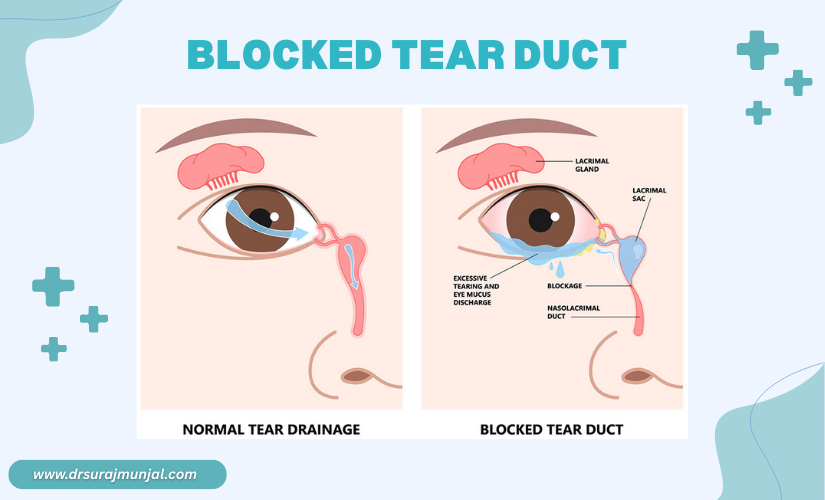
A blocked tear duct, medically known as a nasolacrimal duct obstruction, is a condition in which the drainage system of the eye becomes partially or completely blocked. It leads to excessive tearing, frequent eye infections, discharge, and blurred vision. The condition may occur in both adults and infants and often requires medical or surgical intervention if it does not resolve on its own.
India has become a preferred destination for international patients seeking effective and affordable treatment for blocked tear ducts. With skilled ophthalmologists and access to advanced surgical techniques, such as Dacryocystorhinostomy (DCR)—both external and endoscopic—India offers quality care at a fraction of the global costs.
The average cost of blocked tear duct treatment in India ranges from ₹50,000 to ₹4,00,000, which is approximately $600 to $4,600, depending on the procedure type, hospital tier, and whether one or both eyes require treatment. Non-surgical options, such as massage or dilation, are far more affordable, while surgical procedures often require specialized equipment and anesthesia.
Table of Contents
What Is a Blocked Tear Duct?
A blocked tear duct occurs when the natural passage that carries tears from the eye into the nose becomes narrowed or closed. The condition disrupts the normal drainage process, causing tears to build up on the surface of the eye and overflow down the cheek, even without crying. A blocked tear duct can affect one or both eyes and may be present at birth or develop later in life.
How the Tear Drainage System Works
Tears are continuously produced to keep the eyes moist and clean. After coating the eye, the fluid drains through small openings at the inner corners of the eyelids (called puncta), then travels through narrow channels into a sac near the nose, and finally flows down a duct that empties into the nasal cavity. If any part of this pathway is blocked, tears cannot drain properly.
In a blocked tear duct condition, the normal drainage pathway for tears becomes partially or completely blocked. Instead of draining through the tear duct into the nose, tears back up in the eye, causing watering, irritation, discharge, and sometimes infection.
Who Can Get a Blocked Tear Duct?
This condition can affect people of all ages, but it’s most common in:
- Newborns, due to underdeveloped ducts at birth
- Adults, due to aging, infection, trauma, nasal surgery, or chronic inflammation
- Women, who tend to have narrower ducts and are more prone to chronic blockage
Common Symptoms of a Blocked Tear Duct
- Persistent tearing or watery eyes (epiphora)
- Mucus or pus discharge from the eye
- Redness and swelling near the inner corner of the eye
- Recurrent eye infections or conjunctivitis
- Blurred vision due to excessive tearing
Is It Dangerous?
A blocked tear duct is not usually a serious concern, but if left untreated, it can lead to chronic infections, painful swelling, or abscess formation near the lacrimal sac. In infants, the condition often resolves on its own, but in adults, it usually requires medical or surgical treatment for long-term relief.
How Is a Blocked Tear Duct Treated?
Treatment for a blocked tear duct depends on the underlying cause, the patient's age, and the severity of the obstruction. While some cases (especially in infants) may resolve without intervention, others require medication, dilation, or surgical correction to restore proper tear drainage.
Conservative Management (For Infants)
In newborns and infants, blocked tear ducts are often due to incomplete development of the tear drainage system. These usually open up on their own within the first 6 to 12 months.
- Lacrimal sac massage (Crigler massage) is the first-line treatment. Parents are taught to gently massage the inner corner of the baby’s eye to help open the duct naturally.
- Topical antibiotic eye drops may be prescribed if infection is present due to stagnant tears.
Probing and Irrigation
If the duct remains blocked beyond 12 months, a minor procedure called nasolacrimal duct probing is usually recommended.
- A thin, blunt probe is inserted through the tear duct to clear the obstruction.
- It is typically done under local or general anesthesia (especially in children).
- In some cases, saline irrigation is performed after probing to flush out debris.
The procedure has a high success rate in infants and is typically completed in under 30 minutes.
Silicone Intubation
If probing fails or the blockage recurs, silicone tube intubation may be done. It involves placing tiny silicone tubes into the tear drainage system to keep it open and functioning properly.
- Tubes are left in place for 3–6 months and are removed once the duct stays open.
- This method is minimally invasive and suitable for both children and adults.
Balloon Dacryoplasty
Balloon catheter dilation is often used when probing alone isn't effective or for older children and adults with partial blockages.
- A small balloon is inserted into the duct and inflated to widen the passage.
- It offers a less invasive alternative to surgery, with quicker recovery.
Dacryocystorhinostomy (DCR Surgery)
For adults or patients with chronic, complete blockages, DCR surgery is considered the gold standard of treatment.
- External DCR involves making a small incision near the nose to create a new drainage passage from the lacrimal sac into the nasal cavity.
- Endoscopic DCR is performed through the nose without any external incision using a nasal endoscope.
Both versions are highly effective and offer permanent relief. DCR is usually done under local or general anesthesia and takes about 45–90 minutes.
Each treatment is selected based on diagnostic tests, such as dacryoscintigraphy, syringing, and nasal endoscopy, to confirm the site and type of blockage.
What is the Cost of Blocked Tear Duct Treatment in India?
The cost of treating a blocked tear duct in India depends on the type of procedure required, ranging from conservative care and minor outpatient procedures to more complex surgeries, such as dacryocystorhinostomy (DCR). Despite the range of options, India offers significant cost advantages compared to many other countries, while maintaining high medical standards and utilizing modern technology.
The average cost of blocked tear duct treatment in India ranges from ₹50,000 to ₹4,00,000, which is approximately $600 to $4,600. The price varies based on the treatment method, whether one or both eyes are affected, the type of anesthesia used, and the hospital’s infrastructure.
What’s Typically Included in the Treatment Cost?
Most hospitals and eye care centers in India offer structured packages that include the following:
- Detailed Diagnostic Evaluation: This includes syringing tests, dye disappearance tests, and in some cases, imaging or nasal endoscopy to confirm the location and type of blockage.
- Consultation and Treatment Planning: An ophthalmologist evaluates your condition and recommends the most appropriate line of treatment—whether it’s massage, probing, or surgery.
- Procedure Charges: Depending on the treatment, these may cover the use of surgical equipment, implants (such as silicone tubes), the use of a laser/endoscope (if applicable), and the surgeon’s fees.
- Anesthesia and OT Charges: For procedures done under local or general anesthesia (especially in children or during DCR surgery), the cost of anesthesia and operating theater setup is usually included in the package.
- Medications and Post-Treatment Care: Packages often include antibiotic or anti-inflammatory eye drops and oral medicines needed for healing and infection prevention.
- Follow-Up Visits: Typically, at least one to two follow-up consultations are included after the procedure to monitor recovery and remove any stents or tubes that may have been placed.
What’s Not Typically Included
- Hotel stay, food, and local travel (unless part of a medical tourism package)
- Additional lab tests or imaging if unrelated to the tear duct condition
- Rare complications requiring re-treatment or hospitalization
- Special requests such as extended hospital stay or upgraded rooms
Blocked Tear Duct Treatment Cost Breakdown in India
The cost of treating a blocked tear duct in India can vary significantly depending on the method used, the complexity of the case, and whether one or both eyes are treated. Below is a breakdown of the most commonly used procedures, along with their estimated cost ranges.
- Lacrimal Sac Massage (Crigler Massage): For infants, doctors often recommend a specialized massage technique to naturally open the duct. It is taught during a consultation and requires no additional procedural cost—typically just the price of the visit, ranging from ₹1,000 to ₹2,500 ($12–$30).
- Probing and Syringing: This minimally invasive procedure involves inserting a thin probe into the tear duct to clear the blockage. It is often done under anesthesia in children. The cost typically ranges from ₹50,000 to ₹85,000 ($600–$1,000).
- Balloon Catheter Dilation: A small balloon is used to widen the blocked duct, usually in children or adults with partial obstructions. The procedure costs approximately ₹80,000 to ₹1,20,000 ($960–$1,400).
- Silicone Tube Intubation: Small silicone tubes are placed inside the tear ducts to keep them open for several months. The procedure is more complex and typically costs ₹1,00,000 to ₹1,50,000 ($1,200–$1,800).
- External Dacryocystorhinostomy (External DCR): This traditional surgery creates a new tear drainage pathway through a small incision near the nose. Costs range from ₹1,50,000 to ₹2,50,000 ($1,800–$3,000), depending on the type of anesthesia, hospitalization, and facility.
- Endoscopic Dacryocystorhinostomy (Endoscopic DCR): A more advanced, scarless approach done via the nasal cavity using an endoscope. It is slightly more expensive and usually costs between ₹2,50,000 to ₹4,00,000 ($3,000–$4,600).
|
Procedure |
Estimated Cost (INR) |
Estimated Cost (USD) |
|
Lacrimal Sac Massage (Crigler) |
₹1,000 – ₹2,500 |
$12 – $30 |
|
Probing and Syringing |
₹50,000 – ₹85,000 |
$600 – $1,000 |
|
Balloon Catheter Dilation |
₹80,000 – ₹1,20,000 |
$960 – $1,400 |
|
Silicone Tube Intubation |
₹1,00,000 – ₹1,50,000 |
$1,200 – $1,800 |
|
External DCR Surgery |
₹1,50,000 – ₹2,50,000 |
$1,800 – $3,000 |
|
Endoscopic DCR Surgery |
₹2,50,000 – ₹4,00,000 |
$3,000 – $4,600 |
These estimates typically include consultation, diagnostics, procedure fees, anesthesia, basic medications, and one to two follow–up visits. However, confirm inclusions before booking to avoid hidden charges.
Cost Comparison: India vs Other Countries for Blocked Tear Duct Treatment
India is one of the most affordable destinations globally for blocked tear duct treatment, offering high-quality care at a fraction of the cost found in Western and Middle Eastern countries. While procedures like DCR surgery require surgical expertise and specialized equipment, Indian hospitals perform them routinely at competitive rates.
|
Country |
Average Cost (USD) |
Inclusions |
Remarks |
|
India |
$600 – $4,600 |
Diagnostics, surgery, anesthesia, meds, follow-ups |
Affordable for all procedure types; fast access and international support |
|
USA |
$3,500 – $10,000+ |
Often excludes diagnostics, anesthesia, and follow-ups |
Very high surgeon and hospital charges; insurance may not fully cover |
|
UK |
$3,000 – $8,000 (Private) |
Surgery only; diagnostics and post-op billed separately |
NHS access limited; long waiting periods for non-urgent cases |
|
UAE |
$4,000 – $9,000 |
May include endoscopic setup and hospital fees |
Premium pricing in private hospitals |
|
Thailand |
$2,500 – $6,000 |
Surgery + short stay + meds |
Competitive but still 30–40% costlier than India |
|
Singapore |
$5,000 – $9,000 |
High-end facilities, excellent care quality |
Most expensive in Asia for ENT/oculoplastic surgeries |
Why India Offers Better Value
- Lower medical and infrastructure costs allow hospitals to offer the same quality of care at significantly reduced prices.
- High surgical volumes and expertise lead to better outcomes, especially in specialized eye and ENT centers.
- Transparent packages often include consultation, anesthesia, surgery, stents (if used), and follow-ups—reducing hidden costs.
How Much Can You Save?
Patients traveling to India for DCR or blocked tear duct treatment typically save 60–80% compared to treatment in the US, UK, or UAE, even after factoring in travel and lodging costs. For those requiring bilateral procedures or revision surgery, the cost savings can be even more substantial.
What are the Factors Affecting Blocked Tear Duct Treatment Cost in India?
The cost of treating a blocked tear duct in India can vary widely due to several patient-specific and procedural factors. Knowing these variables helps international patients make informed choices and plan their budget more accurately.
- Type of Procedure Performed: The most significant factor influencing cost is the treatment method. Simple procedures, such as probing or balloon dilation, are less expensive, while surgeries like endoscopic DCR are more costly due to the advanced equipment and surgical expertise required. The more complex the procedure, the higher the overall expense.
- One Eye vs. Both Eyes: If both tear ducts are blocked, the cost can nearly double, as procedures are typically performed separately for each eye. However, some hospitals offer partial discounts or bundled packages for bilateral treatment.
- Patient Age and Anesthesia Requirements: Children often require general anesthesia, which increases the cost of procedures like probing, dilation, or intubation. Adults may undergo these treatments under local anesthesia, which is less costly. The type of anesthesia, anesthetist’s fee, and recovery setup all contribute to the final bill.
- Choice of Surgical Approach: External DCR surgery is slightly less expensive than the endoscopic version, which uses high-end cameras and nasal instruments. Endoscopic surgery also requires the expertise of an ENT or oculoplastic specialist, which contributes to higher professional fees.
- Hospital Category and Location: Hospitals in metropolitan areas with advanced surgical facilities tend to charge higher rates due to increased operating costs and higher demand. However, they also offer access to the latest techniques and internationally accredited care standards.
- Specialist Expertise: Surgeons with extensive experience in oculoplastic or endoscopic lacrimal surgery often charge higher consultation and procedure fees. Their involvement may raise the cost but also improves safety and outcomes, particularly in complex or revision cases.
- Inclusions and Package Details: Some hospitals include diagnostics, post-op medications, and follow-ups in the quoted price, while others charge these separately. Patients should clarify what the quoted fee covers to avoid unexpected expenses later.
- Additional Medical Needs or Complications: If the patient has nasal polyps, sinus issues, or a history of previous facial trauma, these may need to be addressed during surgery, which can increase the overall cost. Similarly, complications or the need for revision surgery may incur extra charges.
Why Choose India for Blocked Tear Duct Treatment?
India is a preferred destination for patients seeking advanced treatment for tear duct obstruction, not just because of the lower cost, but also due to the high quality of care and precision in procedures. Whether you require simple probing or complex endoscopic DCR, India offers a safe, effective, and patient-centered environment.
- Comprehensive Treatment Options Under One Roof: Indian eye and ENT centers offer a full range of treatments for blocked tear ducts—from non-invasive massage and probing to complex surgeries, including external and endoscopic DCR. It enables patients to receive personalized care tailored to the specific nature of their condition.
- Surgeons with Specialized Expertise: Blocked tear duct procedures are often handled by oculoplastic surgeons or ENT specialists with advanced training in lacrimal surgeries. Many of them have global experience and routinely perform high volumes of these procedures, ensuring precision and safety.
- Advanced Diagnostic and Surgical Technology: Modern facilities in India are equipped with advanced tools, including nasal endoscopes, high-definition cameras, silicone stents, and CT-based planning, to ensure accuracy. These technologies enhance surgical outcomes and minimize complications, particularly in endoscopic procedures.
- Cost-Effective Without Compromising Quality: Treatment packages in India cover consultation, anesthesia, procedure fees, post-operative medications, and follow-ups—at a fraction of international prices. Even advanced techniques, such as endoscopic DCR, are accessible without financial strain.
- Short Wait Times and Easy Scheduling: Unlike public healthcare systems in the UK or Canada, where non-urgent surgeries may be delayed, Indian hospitals can schedule consultations and surgery within 48–72 hours of your arrival, reducing waiting and allowing for quicker recovery planning.
- International Patient Support and Aftercare: From visa invitation letters to airport transfers, interpreter services, and post-surgery video consultations, patients from Africa, the Middle East, Southeast Asia, and beyond benefit from India’s well-established medical tourism ecosystem.
- English-Speaking Medical Staff: Doctors and support staff in India are fluent in English, and many hospitals offer multilingual assistance in Arabic, French, Russian, Swahili, and other languages—ensuring easy communication and comfort throughout your treatment journey.
What is the Success Rate of Blocked Tear Duct Treatment in India?
Blocked tear duct treatments in India offer consistently high success rates, thanks to advanced surgical techniques, skilled specialists, and personalized care plans. India provides a success rate of 80% to 95% for blocked tear duct treatments, depending on the method used and the patient’s condition.
Success in Infants and Young Children
In infants, the most common treatment is probing of the nasolacrimal duct, typically performed between 6 and 12 months of age. The success rate of this procedure in India is around 85% to 95%, especially when performed early.
- Most children recover with just one session.
- For persistent cases, a second procedure or silicone intubation may be recommended.
Success in Adults (Surgical Treatments)
For adults with chronic tear duct obstruction, surgery is often necessary. The two most common surgical approaches in India—external DCR and endoscopic DCR—both have high success rates.
- External DCR: This traditional method has a success rate of 90–95% when performed by experienced oculoplastic surgeons. It is reliable for complete obstructions and revision cases.
- Endoscopic DCR: This scarless technique offers a success rate of 85–92% and is preferred for patients who desire a quicker cosmetic recovery or have nasal issues that require ENT collaboration.
Success with Alternative Procedures
- Balloon catheter dilation and silicone intubation also show strong success, especially in partial obstructions. These procedures have reported outcomes of 80–90%, particularly in children and selected adult cases.
- Autologous tear duct reconstruction or complex revisions for failed surgeries also have positive results in specialized centers.
Patient Satisfaction
Most patients—both local and international—report rapid relief from excessive tearing, fewer infections, and improved comfort related to vision after surgery. Return to normal activities is quick, especially with endoscopic techniques.
Recovery Timeline After Blocked Tear Duct Treatment in India
Recovery after blocked tear duct treatment depends on the procedure performed, the patient's age, and whether the treatment involved surgery or a minimally invasive method. In most cases, healing is quick and complications are rare.
Probing (Common in Infants and Children)
- Day 1: Mild tearing and slight eye irritation may occur. Babies usually return to everyday life on the same day.
- Day 2–7: Watery discharge typically decreases. Any mild swelling or redness resolves on its own.
- Week 2: Tear flow becomes normal if the duct has opened successfully. Follow-up may be advised in 1–2 weeks.
Total recovery time: 7 to 10 days
Special care needed: None beyond regular cleaning and follow-up.
Balloon Catheter Dilation
- Day 1–2: Minor discomfort or a feeling of pressure may be present. Cold compresses help relieve symptoms.
- Day 3–7: Any residual tearing usually improves. Nasal drops or mild antibiotics may be prescribed.
- Week 2–3: Tear drainage typically improves, with reduced need for artificial tears.
Total recovery time: 1 to 2 weeks
Special care needed: Nasal hygiene and eye protection.
Silicone Tube Intubation
- Day 1–3: Some tearing, irritation, or sensation of a foreign object in the eye may occur.
- Week 1–2: Most symptoms subside; tubes are left in place to maintain the opening.
- Month 3–6: Tubes are removed after 3–6 months, and the duct remains open.
Total recovery time: 7 to 10 days for initial healing, followed by long-term monitoring until the tube is removed.
Special care needed: Avoid rubbing eyes; attend regular follow-ups.
External Dacryocystorhinostomy (External DCR)
- Day 1–3: Swelling near the nose and mild bruising around the eye are common. Nasal packing may be used.
- Week 1: Stitches and packing (if used) are removed. Discomfort subsides significantly.
- Weeks 2–4: The scar begins to fade, and tear drainage improves steadily.
- Month 1–2: Most patients return to full activity. Vision and eye comfort stabilize.
Total recovery time: 2 to 4 weeks
Special care needed: Wound cleaning, antibiotic drops, nasal precautions.
Endoscopic DCR (Scarless Nasal Surgery)
- Day 1–2: Minimal swelling or nasal congestion may occur. Nasal stents may be placed.
- Week 1: Most patients return to work or travel. Discomfort is mild.
- Weeks 2–3: Full tear drainage returns. No visible scarring or facial marks.
- Month 1–2: Internal healing completes; stents are removed (if placed).
Total recovery time: 10 to 21 days
Special care needed: Avoid blowing nose; follow nasal spray and drop instructions carefully.
General Post-Procedure Advice
- Avoid rubbing your eyes or applying pressure near your nose.
- Use all prescribed eye drops, nasal sprays, and antibiotics as instructed.
- Attend all follow-up appointments to monitor progress.
- Delay swimming, dusty environments, and heavy physical activity for 1–2 weeks after surgery.
Patient Testimonials
“My daughter’s tear duct was fixed in one visit.”
Name: Hibsa S., Kenya
“My 9-month-old had constant tearing and infections. We were advised to travel to India for probing. The doctor explained everything clearly and performed the procedure the next morning. We saw improvement almost immediately. It was affordable and very professional. We felt truly cared for.”
“Scarless surgery and quick recovery.”
Name: Ali M., UAE
“I had excessive tearing for over two years. I chose India for endoscopic DCR because of the cost and technology. The surgery was done through my nose with no scar. Within a week, I was sightseeing in Delhi. I can’t believe how easy and smooth it was.”
“Fixed my failed surgery from back home.”
Name: Sandra J., South Africa
“I had external DCR in my home country, but it failed and I was left with scarring and no relief. I found a hospital in India that offered revision surgery through endoscopy. The care was far better, and I’m now finally free from tearing and discomfort.”
“Excellent care and guidance for my child.”
Name: Mohammed R., Bangladesh
“My 2-year-old son had bilateral tear duct blockage. We were initially nervous about undergoing surgery abroad, but India made the process simple. From visa support to the surgery day, we were guided step by step. The tubes were later removed without any issue. We’re grateful for the outcome.”
Frequently Asked Questions
A blocked tear duct occurs when the tear drainage system becomes narrowed or clogged, causing watery eyes, discharge, and sometimes infections.
In adults, tear duct blockages can result from various causes, including infection, aging, trauma, nasal surgery, chronic inflammation, or tumors located near the duct pathway.
Yes, many newborns have underdeveloped tear ducts that can remain blocked for several months. Most resolve naturally, while others may need probing.
Symptoms include constant tearing, sticky discharge, eye redness, and recurrent eye infections. In some cases, swelling may develop near the nose.
Children often undergo simple procedures, such as probing or balloon dilation. These are effective and minimally invasive, especially when done early.
DCR (dacryocystorhinostomy) is a surgical procedure that creates a new passage for tear drainage into the nose. It can be done externally or endoscopically.
No, DCR is performed under anesthesia. Patients may experience mild discomfort afterward, but most return to normal activities within 1–2 weeks.
Yes, if both tear ducts are blocked, they can be treated simultaneously or in staged sessions based on the patient’s condition and age.
Recovery usually takes 10 to 21 days, depending on the procedure. Endoscopic approaches typically offer quicker healing and no visible scars.
The treatment cost ranges from ₹50,000 to ₹4,00,000 ($600 to $4,600), depending on the procedure type, hospital, and whether one or both eyes are treated.
India offers lower surgical and hospital costs while maintaining international-quality care. This makes even complex procedures, such as endoscopic DCR, highly cost-effective.
Most hospitals include consultation, diagnostics, surgery, anesthesia, medications, and follow-up visits in the package. It's best to confirm inclusions in writing.
Some Indian hospitals accept international insurance or offer assistance with claims, but most international patients opt to self-pay due to the affordable pricing.
