Artificial Cornea Transplant Cost in India
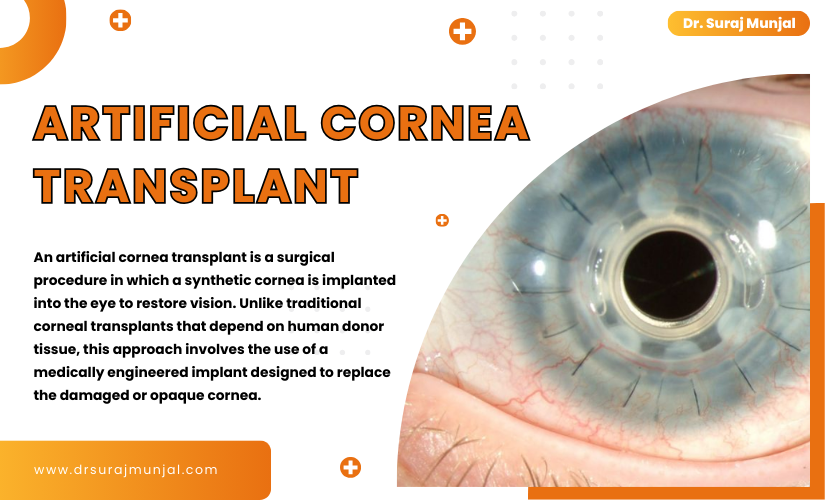
Artificial cornea transplant, also known as keratoprosthesis, offers hope for patients who have lost their vision due to irreversible damage to the cornea. While a traditional corneal transplant relies on donor tissue, an artificial cornea uses a biocompatible synthetic implant to replace the damaged cornea and restore sight. This approach is particularly effective for patients who have experienced multiple failed corneal grafts or suffer from severe ocular surface disorders where donor corneas are likely to be rejected.
In India, the cost of an artificial cornea transplant ranges between ₹2,50,000 to ₹5,00,000 or approximately $3,000 to $6,000, depending on the hospital, implant type, and medical complexity. It makes India one of the most affordable destinations globally for advanced corneal procedures without compromising on quality. Leading eye care centers in India now offer cutting-edge keratoprosthesis solutions with high success rates and minimal waiting periods, attracting patients from countries across Africa, the Middle East, Southeast Asia, and beyond.
Patients who undergo this surgery in India benefit not only from reduced costs but also from the availability of FDA-approved implants, modern ophthalmic infrastructure, and internationally trained surgeons. As a result, India has become a preferred destination for those seeking vision restoration through artificial cornea transplant surgery.
Table of Contents
What Is an Artificial Cornea Transplant?
An artificial cornea transplant is a surgical procedure in which a synthetic cornea is implanted into the eye to restore vision. Unlike traditional corneal transplants that depend on human donor tissue, this approach involves the use of a medically engineered implant designed to replace the damaged or opaque cornea.
The artificial cornea is typically made from biocompatible materials such as polymethyl methacrylate (PMMA) and titanium, which are highly durable and less likely to be rejected by the body. These materials allow the artificial implant to integrate with the surrounding eye tissue, providing a stable and transparent optical pathway. The most widely used version of this device is the Boston Keratoprosthesis (KPro), which has shown excellent outcomes in restoring functional vision, even in patients with complex eye diseases.
This transplant becomes necessary when the cornea (usually a clear, dome-shaped surface that helps focus light) is severely scarred, cloudy, or misshapen due to injury, infection, or disease. When a standard corneal graft fails or becomes repeatedly rejected, an artificial cornea offers a viable and often the only remaining option for vision restoration.
The procedure demands precise surgical expertise and careful patient selection, as it is typically reserved for end-stage corneal blindness or cases with severe ocular surface disorders. Despite being more complex than regular corneal transplants, artificial cornea implants offer a long-term solution and can significantly improve the quality of life for individuals who have exhausted other treatments.
Who Needs an Artificial Cornea Transplant?
Not every patient with corneal damage requires or qualifies for an artificial cornea transplant. The specialized procedure is designed for individuals with severe, irreversible corneal disease where standard donor grafts have failed or are no longer an option. Surgeons typically recommend keratoprosthesis only after exhausting other forms of treatment, including penetrating keratoplasty (PK) or lamellar grafts.
The most common candidates for this surgery include:
- Patients with multiple failed corneal grafts: Some individuals undergo traditional corneal transplant surgeries more than once, only to experience rejection or graft failure each time. In such cases, the eye may no longer accept donor tissue, and an artificial cornea provides a solution.
- Individuals with chemical or thermal burns: Severe injuries from acids, alkalis, or heat can damage the cornea beyond repair. These injuries often destroy the tear film and ocular surface, making donor tissue transplants less likely to succeed.
- People with autoimmune or inflammatory eye diseases: Conditions like Stevens-Johnson syndrome, ocular cicatricial pemphigoid, or Lyell’s syndrome can severely affect the ocular surface, leaving it hostile to biological grafts. Artificial corneas are more resistant to the inflammatory processes triggered by such diseases.
- Children and adults with congenital corneal opacities: In rare cases, patients are born with cloudy or malformed corneas. When other treatment avenues fail or are not viable, keratoprosthesis can offer these individuals a chance at functional vision.
- Patients with extensive vascularization of the cornea: When blood vessels invade the normally avascular corneal tissue, it increases the risk of graft rejection. Artificial implants eliminate this concern by bypassing immune-mediated complications.
Before recommending an artificial cornea transplant, ophthalmologists conduct comprehensive evaluations, including visual acuity tests, imaging studies, and assessments of the tear film and surrounding ocular structures. Only those with the appropriate clinical profile and a realistic expectation of visual recovery are selected for surgery.
What are the Different Types of Artificial Cornea Implants?
Surgeons use different types of artificial cornea implants depending on the patient’s ocular condition, severity of disease, and likelihood of surgical success. Each implant comes with its own design, materials, and indications. Choosing the right type plays a crucial role in long-term visual outcomes and post-operative stability.
Boston Keratoprosthesis (KPro)
The Boston KPro is the most commonly used artificial cornea implant worldwide and the preferred choice in India. Developed at the Massachusetts Eye and Ear Infirmary, this implant features a central clear optical cylinder made of PMMA (polymethyl methacrylate), surrounded by a donor corneal graft that acts as a carrier.
It is available in two primary forms:
- Type I KPro: Used for patients with a relatively healthy ocular surface, intact eyelids, and normal tear production. It offers excellent visual rehabilitation and has the highest global success rate among artificial corneas.
- Type II KPro: Reserved for patients with severe surface diseases, including dry eyes and eyelid abnormalities. This version passes through both the eyelid and conjunctiva and requires a more complex surgical technique.
Boston KPro has a strong track record for restoring vision in patients with corneal blindness due to trauma, graft failure, or congenital disease.
AlphaCor
AlphaCor is a flexible hydrogel-based implant designed for lamellar placement within the cornea, without requiring a full-thickness incision. Unlike Boston KPro, AlphaCor doesn’t need a donor tissue carrier, which is an advantage in countries with limited donor supply.
However, its long-term visual outcomes and integration are generally inferior to Boston KPro. As a result, it has seen limited use and is now largely replaced by newer models in leading eye centers.
Osteo-Odonto-Keratoprosthesis (OOKP)
This highly specialized type of implant uses a patient’s own tooth and jawbone material to anchor the prosthetic lens into the eye. Surgeons consider this method when both the ocular surface and eyelids are severely damaged—often in patients with end-stage ocular burns or autoimmune disorders.
OOKP is not commonly performed due to its complexity, the need for multiple surgeries, and prolonged recovery. However, for certain rare cases, it remains the only feasible option.
Customized and Experimental Implants
Some research institutes and advanced eye centers in India and abroad have begun offering custom keratoprosthesis for pediatric patients or rare anatomical variations. These are considered experimental and often part of clinical trials.
The choice of implant depends on multiple factors, including tear function, eyelid anatomy, previous surgeries, and the overall health of the eye. Experienced surgeons evaluate all parameters before selecting the appropriate type of artificial cornea to ensure the best possible outcome.
How is an Artificial Cornea Transplant Performed?
Surgeons perform an artificial cornea transplant with extreme precision, as the operation involves delicate structures within the eye. The procedure typically takes between 90 to 150 minutes, and doctors conduct it under general anesthesia or local anesthesia with sedation, depending on the patient’s condition.
- Preoperative Assessment: Before the surgery, the ophthalmologist performs a thorough evaluation. It includes checking the visual potential, ocular pressure, tear film quality, and anterior segment imaging. The team also reviews the patient’s medical and surgical history to determine suitability for the implant.
- Removal of the Diseased Cornea: In the operating room, the surgeon starts by carefully removing the opaque or scarred cornea. They use a trephine—a circular blade—to create a precise opening in the patient’s eye. If a donor carrier graft is needed (as in Boston KPro), the surgeon prepares it simultaneously to host the prosthesis.
- Assembly and Placement of the Implant: The surgical team assembles the keratoprosthesis, placing the optical stem through the donor corneal button (for Type I KPro). Once assembled, they position this structure onto the patient’s eye and stitch it securely into place using microsurgical sutures. In the case of advanced implants like OOKP, the surgeon may insert the prosthesis into the jawbone area first before transplanting it into the eye in a second stage.
- Intraocular Lens Management: If the patient has a damaged natural lens or has undergone previous cataract surgery, the surgeon either removes the remaining lens fragments or implants an intraocular lens (IOL) at this stage. It ensures proper light refraction and visual clarity post-surgery.
- Post-Implantation Protection: After securing the implant, the surgeon places a bandage contact lens over the cornea to protect the eye during initial healing. They may also insert a temporary tarsorrhaphy (partial eyelid closure) in patients with dry eyes to enhance post-operative recovery.
- Recovery Room and Immediate Monitoring: The patient moves to a recovery area where the clinical team monitors vital signs and ocular condition. Doctors prescribe antibiotics, corticosteroids, and anti-glaucoma medications immediately after surgery to minimize complications.
Artificial Cornea Transplant Cost in India
India offers one of the most affordable and value-driven options for artificial cornea transplant in the world. Patients from across Africa, the Middle East, Southeast Asia, and Eastern Europe travel to India for this surgery because of the cost-effectiveness, world-class surgical outcomes, and advanced implant options.
The average cost of an artificial cornea transplant in India ranges between ₹2,50,000 and ₹5,00,000 (approximately $3,000 to $6,000). This range depends on multiple factors, including the implant type, hospital location, surgeon expertise, and post-operative care requirements.
What’s Included in the Cost
Most reputable eye hospitals in India offer comprehensive packages that cover:
- Pre-operative consultation and diagnostics
- FDA-approved artificial cornea implant (e.g., Boston KPro)
- Surgeon’s fee and operation theater charges
- General or local anesthesia
- Hospital stay (2–4 days) with nursing care
- Post-operative medications (for the first month)
- Protective contact lens and eye shield
- Initial follow-up visit (within 7 days of discharge)
Some centers also offer additional services such as airport pickup, interpreter assistance, and international patient support as part of the overall cost structure, especially when arranged through medical tourism facilitators.
Implant Type and Complexity Affect Pricing
Patients requiring a Type II Boston KPro (used for severe dry eye or eyelid abnormalities) can expect to be on the higher end of the cost range due to the increased surgical complexity. Similarly, cases requiring OOKP (Osteo-Odonto-Keratoprosthesis) or dual surgeries (e.g., combined with cataract or glaucoma treatment) will incur higher expenses.
Cost Breakdown
Understanding the individual components of artificial cornea transplant costs helps patients plan better and avoid unexpected expenses. In India, hospitals typically offer transparent pricing, but the total bill varies depending on the technology used, the surgeon’s experience, and post-op needs.
|
Cost Component |
Estimated Cost (INR) |
Estimated Cost (USD) |
|
Pre-operative Investigations |
₹10,000 – ₹20,000 |
$120 – $240 |
|
Artificial Cornea Implant (KPro) |
₹1,20,000 – ₹2,00,000 |
$1,440 – $2,400 |
|
Surgery Charges & Surgeon Fee |
₹60,000 – ₹1,00,000 |
$720 – $1,200 |
|
Hospital Stay (2–4 days) |
₹20,000 – ₹50,000 |
$240 – $600 |
|
Medications & Eye Drops |
₹15,000 – ₹30,000 |
$180 – $360 |
|
Protective Contact Lens & Shield |
₹5,000 – ₹10,000 |
$60 – $120 |
|
Post-operative Follow-up Visit |
₹5,000 – ₹10,000 |
$60 – $120 |
|
Total Estimated Range |
₹2,50,000 – ₹5,00,000 |
$3,000 – $6,000 |
- Pre-operative Investigations: Doctors perform eye scans, blood work, and imaging to assess the eye’s health and determine implant suitability. These tests also identify any risk factors for complications.
- Artificial Cornea Implant: This is the most expensive single component. FDA-approved implants like Boston KPro come at a higher cost but provide long-term success and reduced complication rates.
- Surgery and Surgeon’s Fee: Highly skilled surgeons with experience in keratoprosthesis command higher fees, especially for complex cases involving dry eye, glaucoma, or previous graft failure.
- Hospital Stay: Most hospitals include a semi-private or deluxe room with nursing, meals, and routine monitoring in this charge. High-end hospitals in metro cities may charge more.
- Medications and Eye Drops: Patients receive a customized regimen of antibiotics, steroids, lubricants, and anti-glaucoma medicines for use in the first few weeks after surgery.
- Protective Devices: A bandage contact lens and eye shield are essential for protecting the implant and maintaining hygiene during healing.
- Follow-up Visit: The first follow-up is crucial to assess healing and manage eye pressure. While some centers include this in the package, others may charge separately.
Cost Comparison with Other Countries
Patients often choose India for artificial cornea transplant not just for clinical excellence, but also for the significant cost savings compared to other nations. While the quality of surgery, implants, and outcomes in India matches international standards, the price remains a fraction of what patients pay in high-income countries.
|
Country |
Average Cost (USD) |
Remarks |
|
India |
$3,000 – $6,000 |
Includes implant, surgery, hospital stay, and medications |
|
United States |
$15,000 – $25,000 |
Separate billing for implant, hospital, and surgeon fees |
|
United Kingdom |
$12,000 – $18,000 |
Long waiting periods in public hospitals |
|
United Arab Emirates (UAE) |
$8,000 – $15,000 |
Higher cost due to imported implants and private setup |
|
Thailand |
$5,000 – $9,000 |
Lower than Western countries, but limited implant availability |
|
Singapore |
$9,000 – $14,000 |
Advanced care, but expensive for extended recovery |
Why Choose an Artificial Cornea Transplant in India?
Patients from around the globe increasingly choose India for artificial cornea transplants because of its blend of clinical expertise, advanced medical infrastructure, and unmatched affordability. India stands out not just for lower costs but for outcomes comparable to world-renowned institutions.
- Globally Trained Eye Surgeons: India is home to some of the world's most skilled cornea specialists. Many have received advanced training in the USA, UK, or Europe, especially in keratoprosthesis techniques like Boston KPro and OOKP. Their exposure to complex global cases allows them to handle high-risk surgeries with confidence.
- Access to FDA-Approved Implants: Leading eye hospitals in India routinely use Boston Keratoprosthesis, an FDA-approved implant recognized worldwide. Patients receive the same high-quality device that surgeons in the West use, ensuring comparable longevity and performance.
- Comprehensive Eye Care Facilities: Tertiary care eye hospitals in India are fully equipped with state-of-the-art diagnostics, sterile surgical environments, and dedicated cornea units. From high-resolution OCT to real-time intraoperative imaging, these facilities support precise surgery and smooth recovery.
- Personalized Pre- and Post-Operative Care: Indian healthcare providers offer a highly personalized care model. Each patient receives a detailed treatment plan, multilingual assistance, and regular follow-ups tailored to their specific case. This attention to detail contributes to the high success rate of corneal procedures.
- Shorter Wait Times: Unlike countries with limited donor availability or long surgical queues, Indian hospitals schedule surgeries quickly. It allows patients with deteriorating vision to receive treatment within days of evaluation—critical in avoiding irreversible blindness.
Who Is the Best Surgeon for Artificial Cornea in India?
If you're looking for the best surgeon for artificial cornea transplant in India, Dr. Suraj Munjal stands out as a leading expert in the field. He is the Founder and Chief Eye Surgeon at The Sight Avenue Hospital, a highly reputed super-specialty eye care center located in New Delhi. With over 15 years of experience in complex anterior segment surgeries, Dr. Munjal has earned recognition for performing successful keratoprosthesis procedures in patients from across India, Africa, the Middle East, and Southeast Asia.
Dr. Munjal specializes in Boston Keratoprosthesis (KPro) and offers advanced care for patients who have suffered repeated corneal graft failures, chemical burns, or severe ocular surface diseases. Under his leadership, The Sight Avenue has become a referral center for high-risk corneal cases, especially those requiring artificial cornea implants when conventional treatments no longer work.
What sets Dr. Suraj Munjal apart is not only his surgical skill but also his patient-centric approach. He conducts thorough pre-operative assessments, offers video consultations for international patients, and ensures each case is followed up with a customized rehabilitation plan. His team also facilitates medical visas, airport transfers, and multilingual support for international travelers.
With a growing number of successful surgeries and a strong focus on ethical, evidence-based eye care, Dr. Munjal has become a trusted name for patients seeking long-term visual recovery through artificial cornea transplant.
Services for International Patients
India’s reputation as a global hub for eye care extends beyond just affordability and clinical expertise. Hospitals like The Sight Avenue, led by Dr. Suraj Munjal, offer a well-organized ecosystem of support services designed specifically for international patients undergoing artificial cornea transplant.
- Pre-Arrival Support and Video Consultations: Before patients even board a flight, the hospital arranges virtual consultations with Dr. Munjal. These sessions allow the surgeon to review the medical history, assess reports, and advise whether the patient is eligible for an artificial cornea implant such as the Boston KPro. It saves both time and expense by confirming suitability in advance.
- Visa Assistance and Documentation: A dedicated international desk helps patients obtain medical visa invitation letters, a necessary document for fast-track visa approval. The hospital team also guides patients through embassy requirements, ensuring a smooth visa process for both the patient and any accompanying family members.
- Airport Pick-Up and Ground Transport: Hospitals like The Sight Avenue arrange airport pickup in private vehicles, helping patients avoid local transportation challenges. During their hospital visits and follow-ups, patients receive transport support between the hotel and clinic for added comfort.
- Language and Interpretation Services: To eliminate communication barriers, international patient departments provide language interpreters fluent in Arabic, French, Russian, Swahili, and other regional languages. It ensures clear communication with doctors, nurses, and support staff throughout the treatment process.
- Accommodation and Food: The hospital maintains tie-ups with budget and premium hotels within walking distance. Some packages include meal plans suited to dietary preferences, including Halal, African, or vegetarian options. Staff also assist in arranging apartment stays for longer recoveries.
- In-Hospital Assistance: From admission to discharge, an international care coordinator accompanies the patient through every step—medical tests, pharmacy visits, billing, and appointments. The goal is to minimize stress and let patients focus solely on their recovery.
- Post-Treatment Follow-Up and Reports: After discharge, the hospital continues to support the patient remotely. The medical team shares digital reports and offers teleconsultations for long-term follow-up, especially for those who return to their home countries. In many cases, the team also coordinates with a local ophthalmologist abroad to manage medications and eye care monitoring.
What is the Success Rate of Artificial Cornea Transplant in India?
The success rate of artificial cornea transplant in India, particularly with the Boston Keratoprosthesis (KPro), is remarkably high when performed by experienced surgeons like Dr. Suraj Munjal. On average, the functional vision restoration rate ranges between 70% and 85%, depending on the severity of the patient’s condition, ocular history, and post-operative compliance. In properly selected cases, especially where the ocular surface is reasonably stable, the implant can maintain clarity and function for over 5 to 10 years.
Patients who follow prescribed care protocols, attend regular follow-ups, and manage eye pressure well tend to achieve long-term visual stability with minimal complications. These outcomes have positioned India as a global leader in keratoprosthesis success, especially for patients with multiple failed grafts or complex ocular trauma.
Hospital Stay and Recovery Timeline
Patients undergoing artificial cornea transplant should prepare for a structured and monitored recovery period. Although the surgery itself typically takes under three hours, post-operative care plays a vital role in preserving the implant, preventing complications, and ensuring long-term visual improvement.
Hospital Stay Duration
Most patients stay in the hospital for 2 to 4 days. During this time, doctors monitor the eye closely for early signs of infection, pressure spikes, or inflammation. Nurses administer medications on schedule, and the surgeon performs a detailed examination of the eye every 24 hours. In cases where the patient has undergone a complex procedure—such as a Boston KPro Type II or additional intraocular lens placement—the stay may extend slightly to ensure stability before discharge.
First Week After Surgery
The recovery process begins immediately after discharge. Patients must use a combination of antibiotic drops, anti-inflammatory eye drops, and glaucoma medications several times a day. Doctors advise patients to avoid touching or rubbing the eye and to wear protective eyewear when outdoors. Patients return to the hospital or local eye specialist within 5 to 7 days for the first post-op follow-up. During this visit, the ophthalmologist checks for proper implant positioning, evaluates pressure levels, and assesses healing.
2 to 6 Weeks After Surgery
As the eye begins to heal, the frequency of follow-up visits decreases, but strict adherence to the medication regimen remains critical. The surgeon gradually adjusts or tapers certain drops based on the eye’s response. Patients typically regain partial functional vision by the end of 4 to 6 weeks, though this timeline may vary depending on pre-existing eye conditions or the presence of other ocular procedures.
3 to 6 Months Post-Surgery
During this phase, patients continue periodic monitoring of intraocular pressure, as artificial cornea implants may increase the risk of secondary glaucoma. Some patients also undergo refractive assessments and receive corrective glasses to optimize visual clarity. If needed, doctors may perform minor procedures such as contact lens fitting or membrane removal to improve the optical pathway.
Long-Term Care
Recovery doesn’t end after a few months. Patients with artificial cornea implants need lifelong follow-up to maintain eye health and prevent implant-related complications. Most continue using maintenance eye drops for many years and visit their ophthalmologist every 3 to 6 months.
Patient Testimonial
“I had already lost vision in one eye after two failed cornea surgeries back home. Doctors told me nothing more could be done. Then I found Dr. Suraj Munjal at The Sight Avenue in India. He explained the artificial cornea transplant clearly and gave me real hope. I traveled from Sudan with my brother, and the hospital arranged everything—from visa support to airport pickup. Today, I can walk independently, recognize faces, and even read again. This surgery gave me a second chance at life.”
— Ahmed M., 46, Sudan
This story reflects what many international patients experience when choosing India for advanced eye care. Personalized treatment, affordable pricing, and expert hands have helped thousands regain sight after being told it was no longer possible.
Frequently Asked Questions
No, the surgery itself is painless as doctors perform it under general or local anesthesia. After surgery, patients may feel mild discomfort or irritation, which is managed with eye drops and medications.
With proper care and regular follow-ups, artificial cornea implants (especially the Boston KPro) can last 5 to 10 years or more. Many patients retain functional vision long-term without needing a replacement.
Yes, but doctors usually operate on one eye at a time. If the first surgery is successful and the other eye qualifies, the second procedure can be planned after several months.
Yes, patients must use prescribed eye drops for life, including antibiotics, anti-inflammatory agents, and sometimes glaucoma medications. These help maintain the implant and protect vision.
Most patients can travel home safely within 10 to 14 days after surgery. However, your doctor may recommend staying longer if the recovery requires additional observation.
In some cases, yes. Pediatric keratoprosthesis is possible but requires careful evaluation, specialized implants, and lifelong commitment to follow-up care.
The goal is to restore useful, functional vision. While some patients regain excellent clarity, others may still require glasses or contact lenses for optimal results, depending on their eye’s condition.
Patients with pre-existing glaucoma or retinal problems can still be considered, but outcomes vary. Your surgeon will assess risks and benefits before recommending the procedure.
The total cost usually ranges from ₹2,50,000 to ₹5,00,000 (approximately $3,000 to $6,000). It includes the implant, surgery, hospital stay, medications, and initial follow-up.
India offers significantly lower costs due to reduced hospital overheads, competitive surgeon fees, and locally managed supply chains, without compromising on quality or technology.
Yes, most comprehensive packages include the price of the implant (e.g., Boston KPro), which typically accounts for the largest portion of the overall expense.
Absolutely. Hospitals like The Sight Avenue offer personalized cost estimates based on your medical reports and an online consultation with the surgeon.
In most cases, international insurance providers do not cover elective treatments abroad. Patients usually pay out-of-pocket unless they are covered under a specific global health plan.
